
Débloquez des performances optimales avec des vitamines essentielles pour la nutrition sportive. Cette page examine les vitamines pour la nutrition sportive en tant que catégorie de produits commercialisés auprès des athlètes et des personnes actives. L'accent est mis sur les suppléments appuyés par la science, discutés en relation avec l'énergie, la récupération et l'endurance dans le domaine des vitamines pour la nutrition sportive, avec des conseils pratiques pour vous aider à évaluer les options. L'objectif est de favoriser une approche claire et basée sur des preuves, qui distingue le marketing de ce que la recherche indique. Lors de l'évaluation des preuves scientifiques, tenez compte des éléments fondamentaux qui sous-tendent des conclusions fiables. Recherchez des recherches publiées dans des revues évaluées par des pairs, comprenant des études randomisées ou contrôlées, ainsi que des revues systématiques. Examinez qui a été étudié, les contextes dans lesquels le travail a été réalisé, les doses ou formulations étudiées, et la durée des investigations. Reconnaissez que les preuves varient en robustesse et en applicabilité, et que les résultats dans un contexte ne se traduisent pas nécessairement dans un autre. L'accent est mis sur la compréhension du paysage des preuves et de ses limites plutôt que sur la promesse de résultats. Les conseils pratiques pour choisir des vitamines pour la nutrition sportive soulignent la transparence et la qualité. Vérifiez l’étiquetage pour des listes d’ingrédients claires et évitez les produits qui reposent sur des mélanges propriétaires opaques. Recherchez une vérification par des tiers via des programmes réputés tels que l’USP, NSF Certified for Sport ou Informed-Sport, et examinez les pratiques de sourcing et de fabrication lorsque ces informations sont disponibles. Faites attention aux déclarations sur les allergènes et aux contaminants potentiels, et considérez la manière dont les informations sur le produit correspondent à votre propre contexte de recherche. Ces étapes soutiennent une démarche prudente et informée dans le choix des vitamines pour la nutrition sportive. Enfin, utilisez-les avec une approche attentive et continue. Faites confiance aux marques réputées, restez informé des normes réglementaires et d’étiquetage, et consultez un professionnel de santé si vous avez des conditions médicales, prenez des médicaments, ou si vous avez des circonstances particulières telles que la grossesse ou les règles des compétitions sportives. Tenir des notes sur la manière dont les produits correspondent à la recherche, surveiller tout effet secondaire, et réévaluer périodiquement peuvent aider à maintenir une perspective réfléchie sur le rôle des vitamines pour la nutrition sportive dans votre plan global.
Déverrouillez la performance maximale : vitamines essentielles pour la nutrition sportive
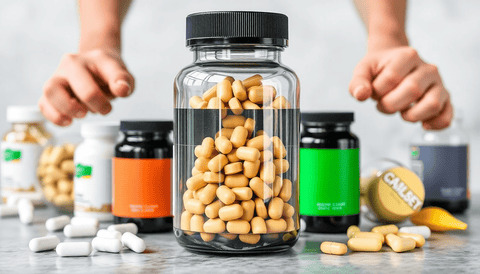
Sports nutrition vitamins are a popular supplement category designed to support the health and performance goals of athletes and active individuals. These products typically include a range of vitamins and minerals intended to complement a training diet and support key physiological functions like energy production, muscle recovery, and immune health. This guide provides a broad overview of sports nutrition vitamins, the nutrients most often included, and important considerations for anyone thinking about adding them to their routine.
What Are Sports Nutrition Vitamins?
Sports nutrition vitamins are dietary supplements specifically formulated for people who exercise regularly. Unlike general multivitamins, these products may include tailored nutrient blends and dosages thought to be relevant for physical activity. They are not intended to replace a healthy diet but rather to address potential nutritional gaps and support the body's increased demands during training. The term 'sports nutrition vitamins' encompasses a range of products, from single-ingredient supplements like vitamin D to complex multi-nutrient formulas with added minerals, botanicals, and other compounds.
For a practical perspective, many of these products are simply a convenient way to ensure adequate intake of key micronutrients. For instance, an athlete might turn to a sports multivitamin to help cover their bases when their training load is high or their diet is restricted. The effectiveness and necessity of such products depend heavily on the individual's overall diet, training intensity, and specific health status. This makes it important to evaluate sports nutrition vitamins critically and not as a one-size-fits-all solution.
Key Vitamins and Minerals for Active People
Several micronutrients are particularly relevant in the context of sports nutrition due to their roles in energy metabolism, muscle function, and recovery. While a balanced diet is the best foundation, supplements can help ensure adequate intake. Understanding why these nutrients matter can help you make more informed decisions.
B-Complex Vitamins and Energy
The B-complex vitamins, which include B1, B2, B3, B6, B12, and folate, play a crucial role in converting food into energy. They are essential for carbohydrate, fat, and protein metabolism, which are all key processes for fueling exercise and supporting recovery. Because these vitamins are water-soluble and not stored in large amounts, regular intake is necessary. Athletes with high energy expenditure may have increased needs for B vitamins, making them a core part of many sports nutrition vitamin formulas. For more detail, you can explore our dedicated guide on vitamin B benefits and sources.
Vitamin D for Muscle and Bone Health
Vitamin D is well-known for its role in calcium absorption and bone health, but it is also important for normal muscle function. Maintaining adequate vitamin D levels is considered important for athletes, particularly those training indoors or living in areas with limited sunlight. Low vitamin D levels have been associated with reduced muscle strength and an increased risk of stress fractures. Many sports nutrition vitamins therefore include vitamin D. Learn more about its importance in our comprehensive vitamin D guide.
Vitamin C and Antioxidants
Intense exercise can increase oxidative stress in the body. Antioxidants like vitamin C and vitamin E help neutralize free radicals, protecting cells from damage. While the body has its own antioxidant defense systems, a diet rich in antioxidants from fruits and vegetables-plus potential supplements-is often recommended for active individuals. Vitamin C also plays a role in immune function, which can be a concern for athletes during heavy training periods. The vitamin C benefits page offers more information on this nutrient.
Key Minerals: Magnesium and More
Minerals are equally important in sports nutrition. Magnesium, for example, contributes to normal muscle function, including muscle relaxation and energy metabolism. It is a common ingredient in sports supplements due to its involvement in over 300 enzymatic reactions. Calcium is crucial for bone health and muscle contractions, while iron is essential for oxygen transport in the blood, which is critical for endurance. A deficiency in any of these minerals can impair sports performance and overall health.
Food Sources vs. Supplements
The best approach to getting vitamins and minerals is generally from a varied and balanced diet. Whole foods provide a complex matrix of nutrients, fiber, and bioactive compounds that supplements cannot fully replicate. For active people, this means focusing on a diet rich in fruits, vegetables, whole grains, lean proteins, and healthy fats.
Good food sources for the key sports nutrition vitamins include:
- B vitamins: Whole grains, eggs, lean meats, legumes, and leafy green vegetables.
- Vitamin D: Fatty fish (salmon, mackerel), egg yolks, and fortified dairy products; sunlight exposure is also a key source.
- Vitamin C: Citrus fruits, berries, bell peppers, and broccoli.
- Magnesium: Nuts, seeds, leafy greens, and whole grains.
- Calcium: Dairy products, fortified plant milks, leafy greens, and tofu.
A supplement can be a practical way to fill specific gaps, especially for individuals with dietary restrictions, high training volumes, or diagnosed deficiencies. However, supplements cannot compensate for a poor diet. They are best viewed as part of a comprehensive nutrition strategy.
Evaluating Quality and Choosing a Supplement
The supplement market is vast, and quality can vary significantly between products. Taking a diligent approach to evaluation is crucial. Here are some key factors to consider when looking at sports nutrition vitamins:
- Transparent Labeling: Look for products with a clear list of ingredients and their exact amounts. Avoid products that hide their formula in 'proprietary blends', which do not disclose the full picture.
- Third-Party Verification: Seek products that have been tested by independent organizations like USP, NSF Certified for Sport, or Informed-Sport. These programs help verify that a product actually contains what is stated on the label and is free from banned substances.
- Reputable Brands: Consider products from established companies with a history of quality manufacturing practices and transparent sourcing.
- Allergen Information: Check the label for common allergens and potential cross-contamination warnings.
For a deeper understanding of what to look for, you might find our overview of multivitamins and their ingredients useful, as many principles overlap with sports-specific formulas.
Important Safety and Usage Considerations
Sports nutrition vitamins are not subject to the same rigorous testing as pharmaceutical drugs. While they are regulated, the responsibility for safety and efficacy often falls more heavily on the manufacturer. This makes your own diligence and a cautious approach essential.
Here are several points to approach with care:
- Consult a Healthcare Professional: Always talk to a doctor or a registered dietitian before starting any new supplement, especially if you have underlying health conditions, take medications, or are pregnant or nursing.
- Respect Dosages: Do not assume that more is better. Taking excessive amounts of fat-soluble vitamins (A, D, E, K) or certain minerals can be toxic. Stick to the recommended serving size on the label unless directed otherwise by a professional.
- Check for Sport-Specific Rules: If you are a competitive athlete, be aware that some dietary supplements may contain ingredients prohibited by anti-doping organizations. Look specifically for products certified for sport to minimize this risk.
- Monitor Your Body: Pay attention to how your body responds when you start a new supplement. If you experience any adverse effects, discontinue use and consult a healthcare provider.
This information is for educational purposes and is not a substitute for professional medical advice. Your specific needs depend on a wide range of individual factors.
Explore Related Sports Nutrition Topics
Sports nutrition is a wide field that extends well beyond just vitamins. For a more complete picture of your training support, you may also want to explore other supplement categories that are often considered alongside vitamins. Amino acids, for example, are the building blocks of protein and are popular for muscle recovery. Our general guide to sports supplements can provide a broader overview of this landscape, helping you understand where sports nutrition vitamins fit within a complete supplementation plan.