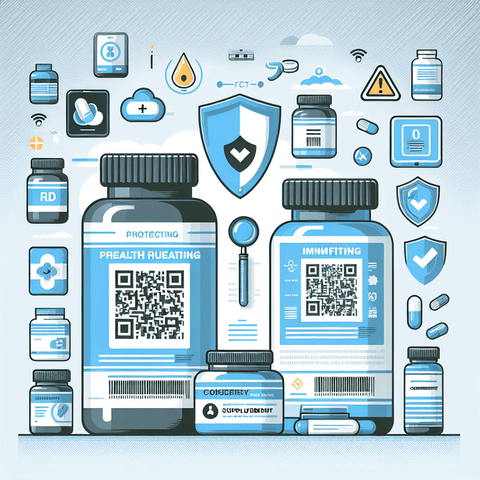
Repérer les faux vitamines : 7 signaux d'alarme pour protéger votre santé


Déceler les vitamines contrefaites commence par la sensibilisation à ce qu'il faut vérifier avant d'acheter. Cette page se concentre sur la détection de fausses vitamines en énumérant sept signaux d'alerte et des méthodes pratiques pour vérifier les marques avant d’effectuer un achat. L’objectif est de vous aider à reconnaître les signes de contrefaçon et à faire vos achats en toute confiance, sans vous fier à des affirmations non vérifiées. Voici sept signaux d'alerte à surveiller lors de la détection de fausses vitamines : 1) erreurs dans l’emballage ou l’étiquetage telles que des fautes d’orthographe, des polices incohérentes ou des sceaux altérés ; 2) absence ou informations génériques sur le fabricant, notamment pas d’adresse physique, de modes de contact ou de site officiel ; 3) des prix exceptionnellement bas ou des promotions qui semblent trop belles pour être vraies ; 4) absence de tests ou de logos de certification réalisés par des tiers sur l’étiquette ou le site web ; 5) un code-barres ou un emballage qui ne scanne pas correctement ou des numéros de lot et dates d’expiration incompatibles ; 6) des problèmes d’apparence du produit tels que des capsules ou comprimés qui paraissent modifiés en couleur, forme ou emballage ; 7) des doutes sur la fiabilité du vendeur, comme des annonces provenant de marchés inconnus ou de détaillants non officiels. Vérifier les marques avant d’acheter peut aider à repérer les fausses vitamines. Commencez par comparer le site officiel de la marque avec les photos du produit, la liste des ingrédients et les numéros de lot. Si quelque chose paraît suspect, contactez le service client de la marque pour confirmer l’authenticité. Recherchez une vérification indépendante, comme des résultats de tests réalisés par des tiers ou des certifications, et vérifiez les numéros de certificat. Inspectez l’emballage au moment de l’achat pour repérer les sceaux inviolables et les dates d’expiration visibles. Si disponible, utilisez les codes à barres ou QR pour obtenir les détails du produit et vérifiez qu’ils correspondent à l’annonce. Préférez acheter auprès de détaillants agréés ou directement dans la boutique officielle de la marque pour réduire les risques. Des étapes supplémentaires peuvent renforcer votre processus de vérification. Conservez les reçus et l’emballage d’origine comme preuve d’achat, et soyez prudent avec les vendeurs qui proposent des options de retour limitées ou des descriptions de produit vagues. Comparez les détails du produit avec ceux fournis sur les canaux officiels de la marque, et signalez les annonces suspectes au détaillant ou à la plateforme lorsque vous en repérez. En vous concentrant sur la détection des fausses vitamines et en utilisant une vérification attentive, vous pourrez faire vos achats en ligne comme en magasin avec plus de confiance et éviter les produits douteux.


How to Avoid Counterfeit Supplements: A Smart Shopper’s Guide - Topvitamine
26 August 2025
Les compléments alimentaires contrefaits peuvent contenir des ingrédients non déclarés, un dosage différent ou aucun ingrédient actif. Ce guide explique comment vérifier un vendeur, examiner l’emballage, contrôler le numéro de lot et réagir en cas de doute. Vous découvrirez aussi pourquoi un QR code, un avis client ou un prix bas ne suffit pas à prouver l’authenticité d’une vitamine ou d’un complément.

Spotting fake vitamins is a key concern for many supplement users. The market for dietary supplements is vast, and with it comes the potential for counterfeit or substandard products. Learning to distinguish between a genuine product and a suspicious one can help you make safer, more confident purchasing decisions. This guide provides a broad overview of the red flags to look for and the steps you can take to verify a supplement's authenticity before you commit to a purchase.

The information here is for educational purposes and is not a substitute for professional medical advice. If you have concerns about a specific product, contact the manufacturer or a healthcare professional.

Understanding the Risks of Counterfeit Supplements

The primary concern with counterfeit vitamins is that you often don't know what you're actually getting. A fake product may not contain the ingredients listed on the label, could contain harmful fillers or contaminants, or may simply have an incorrect dosage. This uncertainty is why knowing how to spot fake vitamins is so important; it's not just about getting what you paid for, it's about protecting your health. Understanding the common tactics used to sell counterfeit goods is the first line of defense.

The supplement industry is diverse, and while many brands prioritize quality and transparency, others may not. A counterfeit product might mimic a well-known brand's packaging closely, but there are often subtle differences that a careful eye can catch. This guide will help you understand where these weaknesses often appear.

7 Red Flags to Help You Spot Fake Vitamins

While this is not an exhaustive list, these seven key indicators can help you evaluate whether a supplement product is potentially counterfeit. Paying attention to these details can distinguish between a genuine supplement and a cause for concern.

  • Packaging and Labeling Errors: Look for misspellings, inconsistent fonts, blurry print, or a broken or tampered seal. Legitimate manufacturers usually have high-quality, consistent packaging.
  • Missing Manufacturer Information: A genuine product will have clear information about the manufacturer, including a physical address, a contact method, and an official website. If this information is missing or seems generic, be cautious.
  • Unrealistically Low Prices: If a price or promotion seems too good to be true, it often is. Counterfeiters frequently use low prices to attract buyers.
  • Lack of Third-Party Testing: Look for logos or statements about third-party testing or certifications. While not all genuine products have them, their absence is not a good sign.
  • Barcode or Packaging Mismatches: A barcode that doesn't scan, or lot numbers and expiration dates that don't match up, are a strong signal that the product may not be authentic.
  • Altered Product Appearance: Capsules or tablets that are discolored, chalky, or have an unusual shape or smell compared to what you expect could be a sign of a fake product.
  • Questionable Seller Reliability: Be more cautious when buying from unfamiliar online marketplaces, auction sites, or any retailer that is not an authorized seller for the brand.

A Practical Guide to Verifying Your Supplements

When you suspect your supplement might be fake, or even as a routine practice, taking steps to verify its authenticity can offer peace of mind. The goal is to confirm the product you have matches what the brand officially produces. Here’s how you can do that.

Steps for Verification

  1. Inspect the Packaging: Before opening, meticulously check for a tamper-evident seal and a clearly printed expiration date. Compare the font, logos, and layout with images from the brand's official website.
  2. Compare Product Details: Match the ingredient list, batch number, and lot number on your bottle with those shown in photos on the official brand site.
  3. Contact the Manufacturer: When in doubt, contact the brand's customer support line to ask if your batch number is legitimate. A reputable company will often have a process for this.
  4. Scan for Verification: Use your smartphone to scan the barcode or QR code on the package to pull up product details. Verify that the information you see matches the product in your hands.
  5. Confirm Independent Testing: Look for a certificate of analysis or a verification number from a recognized third-party testing organization. You may be able to enter this number on the testing body's website to confirm its validity.

Choosing Safe Purchasing Channels

Your choice of retailer is often the best protection. The safest way to ensure you are getting a genuine product is to buy directly from the brand's official website or from authorized and trusted retailers. For other supplement needs, be sure to review the ingredients and claims carefully.

When buying online, be wary of seller listings with limited return options, vague product descriptions, or a lack of seller information. Always keep your receipt and original packaging as proof of purchase. If you discover a product is suspicious, you can help others by reporting the listing to the platform where you found it. By applying these strategies for spotting fake vitamins, you can significantly minimize the risk of purchasing counterfeit supplements.

For those interested in exploring different supplement categories, you may wish to review our natural supplements collection or learn more about specific nutrients like multivitamins and their ingredients.