
Les effets de réduction du stress appuyés par des preuves peuvent être obtenus par de petites pratiques routinières. Cette page met en avant des étapes simples et basées sur la science que vous pouvez commencer dès aujourd'hui pour calmer votre esprit. En vous concentrant sur la façon dont vous réagissez au stress — plutôt que d'essayer de supprimer les facteurs de stress — vous accédez à des techniques avec des effets cohérents et reproductibles de réduction du stress rapportés par la recherche. L'approche est pratique et scalable, adaptée à une journée chargée et facile à intégrer dans la vie quotidienne. Vous trouverez un mélange d'exercices de respiration, d'attention et de conscience corporelle conçus pour modeler vos effets de réduction du stress au fil du temps. Commencez par une respiration consciente : quelques minutes de respiration diaphragmatique lente peuvent modifier votre activation physiologique et apaiser les pensées qui s'emballent. Associez cela à une rapide scan corporelle ou à une relaxation musculaire progressive pour détendre les tensions dans le corps. Les exercices de recentrage — comme noter cinq choses que vous pouvez voir, entendre, toucher, sentir et goûter — ancrent l’attention dans le moment présent. Essayez de courtes routines structurées de 2 à 5 minutes ; la régularité est plus importante que la durée pour activer les effets de réduction du stress. Les stratégies cognitives complètent celles physiologiques. Un bref journal des préoccupations ou une « fenêtre d’inquiétude » aide à contenir les pensées répétitives en leur consacrant un temps fixe pour y faire face. Le recadrage cognitif vous invite à examiner les interprétations automatiques des facteurs de stress et à envisager des explications alternatives. La pratique régulière de ces techniques mentales, même par brèves séances tout au long de la journée, s’accumule en effets de réduction du stress et favorise une plus grande résilience émotionnelle. Pour commencer, choisissez une technique qui vous parle et programmez une séance de 5 minutes chaque jour pendant la première semaine. Utilisez des rappels ou associez-la à des routines existantes pour renforcer la régularité, puis étendez progressivement la pratique selon ce qui convient à votre emploi du temps. Surveillez votre humeur et votre sentiment de calme après chaque séance pour observer vos effets personnels de réduction du stress au fil du temps. Si le stress ou les pensées anxieuses vous semblent accablants ou persistants, envisagez de consulter un professionnel qualifié — la science montre que un soutien précoce peut renforcer les effets de réduction du stress.
Réduction du stress basée sur des preuves : étapes simples pour se calmer
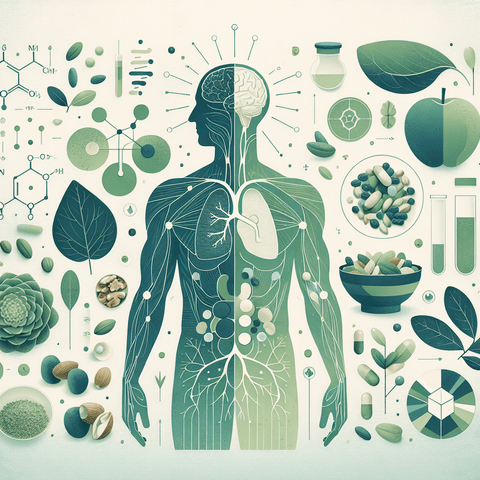
Stress is the body's natural response to pressure, challenge or change — and in busy modern lives, many people experience it every day. Stress reduction refers to the practices and habits that lower the intensity and duration of that response, helping the body and mind return to a calmer baseline. This page gives a broad overview of stress reduction effects: what happens when stress eases, how chronic stress can affect the body, which techniques are most commonly used, and where everyday habits and nutrition fit in. The articles collected under this tag explore each of these themes in more depth.
What Stress Reduction Means
In the short term, the stress response is useful. It heightens alertness, raises the heart rate and tenses the muscles so you can deal with an immediate challenge. Once the challenge passes, the body is designed to settle back into a relaxed state.
Problems arise when activation becomes the default setting. With chronic stress — pressure that persists for weeks or months — the body may stay on high alert, and stress hormones such as cortisol can remain elevated for longer than intended.
This is why modern stress management focuses less on removing stressors — which is rarely possible — and more on changing how you respond to them. Techniques such as slow breathing, relaxation and mindfulness work with the body's own calming mechanisms and can be practised almost anywhere, in sessions as short as two to five minutes. Consistency matters more than length: small daily practices accumulate into noticeable stress reduction effects over time.
How Chronic Stress Can Affect the Body
Health organizations, including the CDC, recognize that long-term stress can affect both physical and mental wellbeing. When the stress response rarely switches off, the effects can show up across the whole body.
- Sleep difficulties, such as trouble falling asleep or waking unrefreshed.
- Muscle tension, jaw clenching and stress-related headaches.
- Difficulty concentrating, forgetfulness and mental fatigue.
- Changes in appetite and digestion.
- Lowered mood, irritability and stronger anxious feelings.
- Feeling run down, with immune function that may be less resilient.
- Increased strain on the cardiovascular system over time.
Everyone experiences stress differently, and occasional symptoms like these can have many causes. But when several appear together and persist, chronic stress is a common underlying factor worth taking seriously.
The Effects of Reducing Stress
When the stress response settles, the effects tend to be felt across body and mind. People who practise stress-reduction techniques regularly commonly report a calmer mood, easier concentration, better sleep, reduced anxiety and less physical tension. Research on mindfulness, meditation and relaxation approaches suggests they may also help ease stress-related discomfort, such as tension in the body.
These effects are usually gradual rather than instant. Instead of a dramatic shift after one session, most people notice small changes — falling asleep a little more easily, responding a little more calmly — that build over weeks of consistent practice.
Signs That Stress May Be Leaving the Body
Because the changes are gradual, it helps to know what to look for. Commonly described signs that stress is leaving the body include:
- Breathing that becomes slower and deeper, rather than shallow and quick.
- Muscles in the shoulders, neck and jaw feeling noticeably looser.
- More restful, uninterrupted sleep.
- Digestion that feels more settled.
- A steadier mood and quicker recovery after daily irritations.
- Renewed energy and interest in activities and social contact.
Noticing even one or two of these signs is a good indication that your routine is working — one more reason to track your mood and perceived calm over time rather than judging a single session.
Common Stress-Reduction Techniques
There is no single method that works for everyone, and long lists of '12 ways to deal with stress' usually combine techniques from three broad groups: calming the body, quieting the mind and shaping supportive daily habits. Understanding these groups makes it easier to mix and match a routine that fits your life.
Calming the body
- Slow, diaphragmatic breathing — a few minutes of slow breaths into the belly can shift your physiological arousal and soften racing thoughts.
- Body scan or progressive muscle relaxation — systematically tensing and releasing muscle groups to soften physical tension.
- Grounding exercises — noticing five things you can see, hear, feel, smell and taste to anchor attention in the present moment.
- Gentle movement — walking, stretching or yoga helps release built-up tension and supports overall resilience.
Quieting the mind
- Mindfulness and meditation — brief, regular sessions that train attention back to the present.
- A worry log or 'worry window' — containing repetitive thoughts by giving them a fixed time, so they intrude less during the rest of the day.
- Cognitive reframing — examining automatic interpretations of a stressor and considering alternative explanations.
Supportive daily habits
- A consistent sleep and wake routine.
- Regular physical activity.
- Time outdoors and natural daylight.
- Social connection with people you trust.
- Planned breaks and realistic boundaries around work.
How to Start a Simple Routine
You do not need long sessions to begin. A simple starting plan:
- Pick one technique that resonates with you.
- Schedule a five-minute session daily for the first week.
- Use reminders, or pair the session with an existing habit, to build consistency.
- Gradually extend your practice as it fits your day.
- Track your mood and perceived calm after each session to observe your personal stress reduction effects over time.
Whichever technique you choose, consistency matters more than length — short, regular practice is what builds stress reduction effects over time.
Nutrition, Supplements and Stress
Techniques are only part of the picture. A balanced diet, regular meals and adequate hydration support the body's overall resilience, while very restrictive eating, excess caffeine and irregular sleep can make it harder to stay calm under pressure.
Some people also explore nutritional support alongside lifestyle changes. Among the nutrients most often associated with stress support, magnesium contributes to the normal functioning of the nervous system, while B vitamins such as B6 and B12 contribute to normal psychological function. Our magnesium supplements and vitamin B supplements collections are useful starting points for comparing options.
Herbal options are popular as well. Ashwagandha is an adaptogenic herb traditionally used during periods of stress and strain, and our ashwagandha supplements range makes it easy to explore the available options.
Supplements are not a replacement for stress-management techniques or professional care, and they are not suitable for everyone. If you take medication, are pregnant or breastfeeding, or manage a health condition, discuss any new supplement with a healthcare professional first.
When to Seek Professional Support
Stress is a normal part of life, but it should not feel unmanageable. If stress or anxious thoughts feel overwhelming or persistent, consider seeking guidance from a qualified professional, such as your doctor or a psychologist. Early support can reinforce your own stress-reduction efforts — there is no need to wait until things feel critical.
This page provides general educational information about stress reduction. It is not intended as personalized medical advice.
Exploring Stress Reduction Further
The articles gathered under this tag explore individual parts of this map in more detail — from specific breathing and relaxation exercises to mindfulness, sleep and nutrition for stress support. Use this page as your starting point, then follow the topics that match your situation. Small, consistent steps are how stress reduction effects are built.