Exposition au soleil : conseils essentiels pour protéger votre peau et prévenir les coups de soleil


Comprendre l'exposition au soleil est une étape pratique pour toute personne planifiant de passer du temps à l'extérieur. Les bases de la SPF vous aident à estimer la durée pendant laquelle votre peau peut être exposée au soleil par rapport à une peau non protégée. SPF signifie Facteur de Protection Solaire, et des chiffres plus élevés indiquent, en théorie, une meilleure protection. Lorsque vous êtes prêt à sortir, appliquez un produit à large spectre sur toute la peau exposée environ 15 minutes avant l'exposition, et réappliquez toutes les deux heures, ou plus souvent après avoir nagé, vous being essuyé ou beaucoup transpiré. L'ombre joue un rôle clé dans la gestion de l'exposition au soleil. Cherchez des itinéraires ombragés, planifiez des pauses sous des arbres ou des auvents, et utilisez des parapluies ou des voiles d'ombre pour réduire l'exposition directe au soleil. Même à l'ombre, les rayons UV peuvent passer à travers, donc complétez l'ombre par d'autres protections pendant les heures de forte exposition solaire. Les vêtements de protection constituent une autre couche de défense contre le soleil. Optez pour des manches longues et des pantalons en tissus fortement tissés, et portez un chapeau à large bord et des lunettes de soleil avec protection UV. Pour une couverture supplémentaire, recherchez des vêtements avec des indices UPF et choisissez des couleurs claires ou des matériaux respirants pour rester confortable tout en étant conscient de l’exposition au soleil. Les habitudes sûres pour profiter du soleil que vous pouvez commencer aujourd'hui incluent la planification du temps en extérieur selon le niveau d'exposition au soleil, prendre régulièrement des pauses à l'ombre, et adopter une approche en couches pour la protection. Gardez un petit écran solaire ou un accessoire de protection solaire à portée de main, réappliquez si nécessaire, et soyez prêt à ajuster vos plans si l'exposition au soleil devient intense. En intégrant ces étapes, vous pouvez gérer efficacement l'exposition au soleil au cours de vos activités quotidiennes.


How to boost vitamin D naturally? - Topvitamine
10 January 2026
Pour augmenter sa vitamine D naturellement, il est possible de combiner une exposition au soleil prudente, une alimentation contenant des poissons gras, des œufs et des aliments enrichis, ainsi qu’un complément si nécessaire. Les besoins varient selon la saison, l’âge, le type de peau et l’état de santé. Ce guide explique les sources de vitamine D, les différences entre D2 et D3 et les précautions à connaître.
What is vitamin D and what is it used for? - Topvitamine
02 November 2025
La vitamine D contribue à l’absorption normale du calcium et au maintien d’os, de dents et d’une fonction musculaire normaux. L’organisme peut en produire grâce aux UVB, mais l’alimentation et les compléments peuvent aussi contribuer aux apports lorsque l’exposition solaire est limitée. Découvrez ses sources, la différence entre D2 et D3, les signes non spécifiques d’un manque et les bonnes pratiques pour préserver votre santé osseuse.
Is vitamin D from the sun? - Topvitamine
30 October 2025
La vitamine D du soleil est produite par la peau lorsque les rayons UVB transforment un précurseur en vitamine D3. Cette production varie selon la saison, la latitude, la pigmentation de la peau, l’âge et les habitudes d’exposition. Une alimentation adaptée et, dans certains cas, un complément peuvent aider à couvrir les besoins. Découvrez aussi quels aliments en apportent le plus et quelles précautions prendre.
Where is vitamin D most commonly found? - Topvitamine
24 October 2025
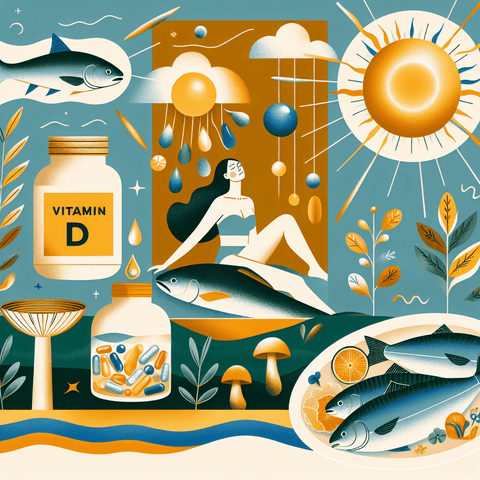
Les sources de vitamine D sont principalement la synthèse par la peau sous l’effet des UVB, certains aliments, les produits enrichis et les compléments. Les poissons gras sont les aliments naturels les plus intéressants, tandis que les œufs et les champignons apportent des quantités plus modestes. L’exposition solaire varie selon la saison et le type de peau. Découvrez comment combiner ces sources avec prudence et quand demander un avis professionnel.
How to quickly raise your vitamin D levels? - Topvitamine
24 October 2025
Pour augmenter rapidement son taux de vitamine D, la première étape consiste à confirmer une insuffisance par un dosage sanguin. La vitamine D3, prise régulièrement avec un repas contenant des matières grasses, peut être utile selon les besoins. L’alimentation et l’exposition au soleil complètent la démarche, mais les fortes doses, les médicaments et certaines maladies nécessitent l’avis d’un professionnel de santé.

Sun exposure is part of daily life for most people, whether during outdoor work, exercise, travel or simple time in the garden. While sunshine is a natural part of the environment, it also brings ultraviolet (UV) radiation, which is why managing exposure thoughtfully is a common concern. This page offers a broad overview of the topic: what sun exposure involves, the main ways to protect your skin, safe habits for everyday life, and how sunshine connects to wider themes such as vitamin D. The articles listed under this tag explore each of these areas in more detail.

What Is Sun Exposure?

Sun exposure refers to the contact your skin and eyes have with sunlight, and more specifically with the UV radiation it contains. UV radiation is commonly grouped into types such as UVA and UVB, which differ in how they interact with the skin. Both the intensity of the sun and the length of time spent outside influence how much UV you receive. Factors such as the season, time of day, altitude, cloud cover and your location all play a role, which is why sun exposure is best understood as a variable rather than a fixed amount.

Because exposure varies so much from person to person and day to day, there is no single universal rule for how much sun is appropriate. Instead, most practical guidance focuses on combining several protective habits and adjusting them to the conditions.

Protecting Your Skin: SPF, Shade and Clothing

Sun protection usually works best as a layered approach rather than a single measure. The most widely used methods include sunscreen, shade and protective clothing, each covering a different aspect of exposure.

Sunscreen and SPF Basics

SPF stands for Sun Protection Factor. In theory, higher numbers indicate more protection relative to unprotected skin, though no sunscreen blocks UV completely. A broad-spectrum product helps address both UVA and UVB. As a general habit, apply sunscreen to all exposed skin about 15 minutes before going outside, and reapply every two hours, or more often after swimming, towelling off or heavy sweating.

Shade as a First Line of Defence

Shade plays a key role in managing time in the sun. Practical options include:

  • Choosing shaded routes for walks or runs.
  • Planning breaks under trees, canopies or shade sails.
  • Using umbrellas or portable shade at the beach or in the garden.

Even in shade, UV rays can reach the skin indirectly, so shade works best in combination with other protective measures, especially during peak sunlight hours.

Protective Clothing and Accessories

Clothing adds a physical layer of defence. Long sleeves and trousers made from tightly woven fabrics, a wide-brimmed hat and sunglasses with UV protection are simple, reusable choices. Some garments carry a UPF (Ultraviolet Protection Factor) rating, which indicates how much UV the fabric blocks. Light colours and breathable materials can make protective clothing more comfortable in warm weather.

Safe Sun Habits for Everyday Life

Consistency matters more than perfection when it comes to sun safety. Small, repeatable habits make protection easier to maintain across different situations.

  • Plan outdoor activities around the intensity of the sun, which is generally higher around the middle of the day.
  • Take regular breaks in the shade during longer periods outdoors.
  • Keep a small sunscreen or sun-protective item handy when you are out.
  • Reapply sunscreen as needed and adjust your plans if conditions become more intense.
  • Combine methods: sunscreen, shade, clothing and timing work best together.

Sun Exposure and Vitamin D

Sunshine is closely associated with vitamin D, sometimes called the sunshine vitamin, because the body can produce it when the skin is exposed to UVB light. Questions about how much sun exposure a day is reasonable, what short periods of sunshine do for the body, and how long it takes to support vitamin D production are among the most common in this topic.

The answer depends on many individual factors, including skin tone, geographic location, season, time of day and lifestyle, so there is no single timeframe that applies to everyone. Balancing vitamin D considerations with skin protection is a personal decision, and anyone with questions about their own situation may wish to speak with a healthcare professional. For readers interested in the nutritional side, our vitamin D collection offers more context on this nutrient, including sources and general safety information.

Exploring Sun Exposure Further

Sun exposure touches on skin care, seasonal habits, outdoor lifestyles and nutrition, which is why it is best explored through several focused angles rather than one single rule. The articles collected under this tag dig into specific questions, such as recognising signs of too much sun, understanding SPF choices and the relationship between sunshine and vitamin D. Use this page as your map of the topic, then follow the linked articles for the detail behind each area.