
Comprendre les risques de contamination des suppléments est la première étape pour évaluer les produits que vous rencontrez. Les risques de contamination peuvent provenir d’impuretés, d’ingrédients non déclarés ou de contaminations croisées lors de la fabrication. Être capable d’identifier ces risques vous aide à repérer les produits qui méritent une attention plus approfondie avant de décider de les acheter. Dans ce guide, vous apprendrez à repérer les signes d’alerte et comment la certification par des tests fiables peut vérifier ce qu’il y a dans une bouteille, afin que vous puissiez avancer en toute confiance. L’accent est mis sur des signes pratiques et des étapes de vérification que vous pouvez effectuer dès aujourd’hui. Les signes d’alerte de risques de contamination des suppléments incluent des dommages à l’emballage, des joints cassés ou une exposition à l’humidité pouvant entraîner des grumeaux ou une décoloration. Si la poudre semble avoir une couleur ou une texture incohérente ou si des particules étrangères sont présentes, considérez le produit comme suspect. Une odeur inhabituelle ou une odeur chimique prononcée peut être un signal d’alarme, et il faut éviter de goûter le produit. Comparez toujours le produit avec l’étiquette ; si quelque chose paraît incohérent ou si le code de lot ne correspond pas, mettez-le de côté et faites une vérification supplémentaire. Ces signes d’alerte constituent des points de contrôle pratiques pour évaluer les risques de contamination. Les tests fiables peuvent aider à confirmer la composition du produit sans se fier uniquement à son apparence. Recherchez une vérification par des tiers provenant d’organisations reconnues (par exemple, USP ou NSF). Un certificat d’analyse (COA) récent pour le lot exact doit être disponible ; vérifiez que le COA correspond au numéro de lot et à la date d’expiration indiqués sur le contenant. Si un COA est manquant, inconstant ou ne couvre pas l’intégralité de la liste des ingrédients, cela doit vous inciter à faire preuve de prudence. En cas de doute, demandez la documentation et comparez-la avec l’étiquette du produit. Les étapes pratiques pour réduire l’exposition aux risques de contamination des suppléments comprennent l’achat chez des détaillants réputés, la sélection de produits avec une étiquette claire et un COA visible, ainsi que la consignation des numéros de lot et des dates d’expiration. Vérifiez l’existence de rappels ou d’avis de rappel et les coordonnées du fabricant ; stockez les produits dans leur emballage d’origine, à l’abri de l’humidité et de la chaleur ; évitez les produits de marques ayant un passif en matière de qualité ; et si vous soupçonnez qu’un produit est contaminé, cessez de l’utiliser et signalez votre préoccupation à l’organisme de réglementation approprié ou au fabricant. En combinant une observation attentive avec des informations de tests accessibles, vous pouvez faire des choix de suppléments en étant mieux informé des risques de contamination.
Risques de contamination des suppléments : comment repérer les contaminants et rester en sécurité
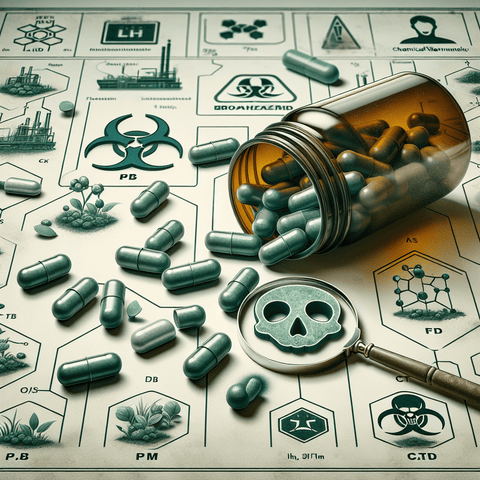
Supplement contamination risks are a key concern for anyone considering dietary supplements. This page provides a broad overview of what these risks are, how to spot potential problems, and the steps you can take to make more informed choices. We will cover the main sources of contamination, practical warning signs, the role of third-party testing, and general safety practices to help you navigate the supplement market with greater awareness.
What Are Supplement Contamination Risks?
Supplement contamination risks refer to the potential for a product to contain unwanted or harmful substances. These can be introduced at various stages, from the sourcing of raw ingredients to the final packaging. The main categories of contamination include:
- Impurities: Unintended substances present in the raw materials, such as heavy metals, pesticides, or environmental pollutants.
- Undeclared ingredients: Substances that are present in the product but not listed on the label, which could include allergens, fillers, or even active pharmaceutical ingredients.
- Cross-contamination: When a product becomes contaminated with another substance during the manufacturing process, often due to shared equipment or inadequate cleaning procedures.
Being aware of these categories helps you understand where risks can arise and why vigilance is important. The goal is not to cause alarm, but to empower you with the knowledge to evaluate products more critically.
Practical Warning Signs to Look For
While laboratory testing is the only definitive way to know what is inside a supplement, there are several practical warning signs you can observe. These checkpoints can help you identify products that may warrant further investigation before you decide to use them.
Packaging and Product Condition
Start by examining the packaging and the product itself. Look for these signs:
- Damaged packaging, broken seals, or tamper-evident features that are not intact.
- Signs of moisture exposure, such as clumping, discoloration, or a change in texture.
- Inconsistent color or texture in powders, or the presence of foreign particles.
- An unusual or strong chemical odor, or a taste that seems different from what you expect.
If you notice any of these signs, treat the product as suspicious. It is often best to set it aside and seek further verification before use.
Labeling and Documentation
Always compare the product with its labeling. Check that the batch code on the container matches the information on the packaging. If something seems off, or if the product does not match its description, this is a red flag. A reputable product should have clear, accurate labeling that aligns with what is inside the bottle.
The Role of Third-Party Testing and Certificates of Analysis
Appearance and labeling can only tell you so much. To gain greater confidence in a product's composition, look for third-party verification. This means an independent organization has tested the product to confirm its contents.
Look for verification from recognized organizations, such as USP or NSF. These groups have established standards for quality, purity, and potency. A current Certificate of Analysis (COA) for the exact batch should be available from the manufacturer. This document provides a detailed breakdown of what was found during testing.
When reviewing a COA, verify that it matches the lot number and expiration date on your specific container. If a COA is missing, inconsistent, or does not cover the full ingredient list, this is a signal to proceed with caution. When in doubt, request documentation and compare it against the product's labeling.
Practical Steps to Reduce Your Exposure to Contamination Risks
While no approach can guarantee absolute safety, there are practical steps you can take to reduce your exposure to supplement contamination risks. These habits can help you make more informed decisions and choose products with greater confidence.
- Buy from reputable retailers and established brands with a track record of quality.
- Stick to products with clear labeling and a visible, current Certificate of Analysis (COA).
- Record lot numbers and expiration dates for the products you use.
- Check for recall notices and manufacturer contact information before purchasing.
- Store products in their original packaging, away from moisture and heat.
- Avoid products from brands with a history of quality concerns or regulatory actions.
If you suspect a product is contaminated, stop using it and report your concern to the appropriate regulator or the manufacturer. By combining careful observation with accessible testing information, you can navigate supplement choices with greater awareness of supplement contamination risks.
Common Questions About Supplement Safety
Many people have questions about supplement safety and what to look for. Here are some broad considerations that can help you evaluate products more effectively.
Which Supplements Should You Be Cautious About?
While most supplements on the market are safe when used as directed, some categories may carry higher risks. Products that contain multiple ingredients, especially proprietary blends, can be harder to verify. Additionally, supplements that make exaggerated claims or promise rapid results should be viewed with skepticism. It is also wise to be cautious with products that are sold through unofficial channels or that lack clear manufacturer information.
What Are Red Flags for Supplements?
Red flags for supplements can include a lack of transparency about ingredients, missing or vague labeling, and an absence of third-party testing. Other warning signs include products that are significantly cheaper than comparable alternatives, or brands that have been subject to regulatory warnings. If a product's claims seem too good to be true, or if you cannot find basic information about its manufacturer, these are all reasons to be cautious.
Exploring Supplement Categories and Quality
Understanding different supplement categories can also help you make more informed choices. For example, you might be interested in learning more about specific vitamins, minerals, or herbal supplements. Exploring these categories can give you a better understanding of what to look for in terms of quality and sourcing.
For a broader look at quality considerations, you can explore our natural supplements collection. You may also find it useful to review our guides on multivitamins or herbal supplements for more specific information on these product types.
Final Thoughts on Supplement Contamination Risks
Navigating the world of dietary supplements requires a balance of awareness and practicality. By understanding the nature of contamination risks, recognizing warning signs, and using available verification tools, you can make more informed decisions. This page serves as a starting point for exploring the topic. For more specific questions, we encourage you to explore the related articles and resources available on this site.