Décoder le panneau des valeurs nutritionnelles : lire les étiquettes, comparer les marques et rester en sécurité


Décoder le tableau des faits sur le supplément en apprenant ce qu'il contient et comment il est présenté. Le tableau des faits sur le supplément est la section de l’étiquette qui indique la taille de la portion, le nombre de portions par contenant, ainsi qu’un tableau d’ingrédients avec les quantités par portion et, souvent, le pourcentage de la valeur quotidienne. Pour comparer des marques, commencez par la taille de la portion et le total des portions par contenant afin de comprendre combien de doses vous obtenez. Le tableau peut également indiquer la présence d’ingrédients actifs et, dans certains cas, mentionner des mélanges propriétaires regroupant plusieurs ingrédients sous un seul total. Utilisez ce tableau comme point de référence principal lors de l’évaluation d’un produit, plutôt que les affirmations marketing. Comprenez les chiffres : les quantités par portion indiquent combien de chaque ingrédient listé vous recevriez en une dose ; le pourcentage de la valeur quotidienne vous aide à évaluer la contribution de cette portion aux apports de référence. Si le produit utilise plusieurs ingrédients, chaque ligne montre sa propre quantité et, si disponible, son pourcentage de la valeur quotidienne. Lorsqu’une ligne mentionne un « mélange propriétaire » ou « complexe », les quantités exactes des ingrédients individuels peuvent ne pas être divulguées ; dans ce cas, vous ne pouvez voir que la quantité totale du mélange. Si aucun pourcentage de la valeur quotidienne n’est indiqué pour un ingrédient donné, cela signifie qu’il n’y a pas de valeur quotidienne établie pour ce contexte. Repérez les ingrédients cachés et les avertissements en examinant la liste des « autres ingrédients » ou des « ingrédients inactifs ». Recherchez d’éventuels allergènes ou excipients tels que des fillers, liants, colorants ou capsules qui pourraient ne pas correspondre à vos besoins personnels. Vérifiez les mentions d’allergènes et les détails de fabrication, notamment le pays d’origine et les codes d’installation si fournis. Les avertissements sur l’étiquette peuvent inclure « réservé à l’usage des adultes », « consultez un professionnel avant utilisation », « conserver dans un endroit frais et sec » et « ne pas dépasser la dose recommandée ». La mention « ce produit n’a pas été évalué par la FDA » ou des déclarations similaires indique le statut réglementaire plutôt qu’une approbation de sécurité, et doit être prise en compte lors de l’évaluation du risque. Conseils pour comparer les marques et rester en sécurité : privilégiez les produits certifiés par des organismes tiers (USP, NSF) ou disposant d’informations de lot transparentes. Comparez le prix par portion plutôt que le prix par contenant. Vérifiez les dates de péremption et les codes de lot au cas où vous devriez suivre l’origine d’un produit. Envisagez de contacter le fabricant pour poser des questions sur le tableau des faits du supplément et l’origine des ingrédients. En vous concentrant sur le tableau des faits et en le corroborant avec des vérifications tierces, vous pouvez faire des comparaisons mieux informées entre les marques et choisir des produits conformes à vos besoins en matière d’étiquetage.


How to Read a Supplement Label: A Complete Step-by-Step Guide - Topvitamine
02 August 2026
Understand the Supplement Facts PanelThe Supplement Facts panel is the standardized section on every dietary supplement label, regulated by the FDA. It shows serving size, amount per serving, percent Daily Value (%DV), and lists the source of each nutrient. For example, magnesium should be listed as "Magnesium (as magnesium glycinate)" to tell you both the form and the elemental amount.Elemental Magnesium vs. Compound WeightElemental magnesium is the pure magnesium your body uses. Labels must state the elemental amount, not the weight of the whole compound. This is how you compare magnesium glycinate, citrate, or oxide to meet your daily needs. The FDA requires this declaration to help you understand exactly what you are consuming.Spot Quality and Avoid Red FlagsHigh-quality labels list each active ingredient with its own amount, not hidden in proprietary blends. Look for third-party seals like USP or NSF, clear expiration dates, and specific form names. Avoid vague phrases like "energy blend" or "miracle cure." These tips help you choose safe, effective supplements.
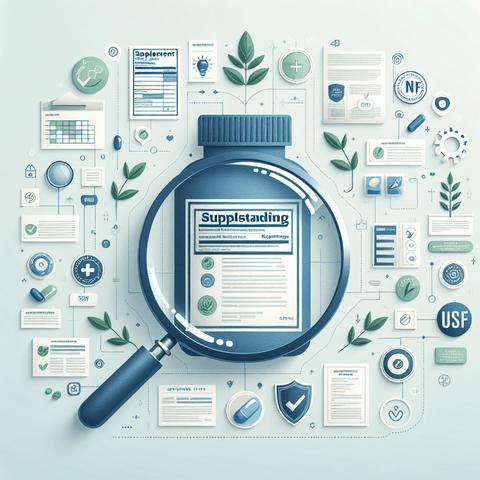
Unlocking the Truth About Supplement Labeling: What Really Matters for Your Health - Topvitamine
31 August 2025
L’étiquetage des compléments alimentaires permet de vérifier la composition, la dose par portion, les allergènes et les précautions d’emploi. Ce guide explique comment distinguer les ingrédients actifs des excipients, interpréter les allégations, repérer les formulations peu transparentes et choisir un produit adapté sans confondre complément et médicament. Il précise également les règles générales applicables en France et répond aux questions fréquentes sur les additifs et la divulgation des ingrédients.
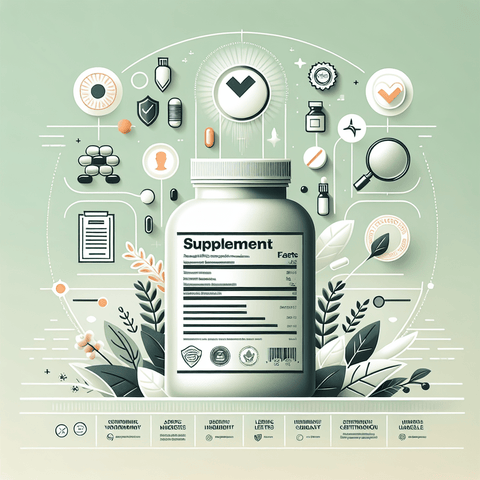
Unlocking the Truth About Supplement Labels: How to Read and Trust What You See - Topvitamine
31 August 2025
Une étiquette de complément alimentaire permet de vérifier la composition, la portion, les précautions et l’identité du fabricant. Ce guide explique comment lire le tableau nutritionnel, repérer les mélanges opaques, comprendre les additifs et distinguer une certification d’un simple argument marketing. Il précise aussi les règles applicables en Europe et les limites du système américain afin de choisir avec davantage de discernement.

The Supplement Facts panel is a cornerstone of informed supplement use. It is the standardized label required on all dietary supplements sold in the United States, providing a snapshot of what is inside the bottle. For anyone looking to incorporate vitamins, minerals, or other supplements into their routine, knowing how to read this panel is an essential skill. It empowers you to understand exactly what you are consuming, compare products effectively, and make choices that align with your nutritional goals.

What Is the Supplement Facts Panel?

The Supplement Facts panel is the informational label mandated by the U.S. Food and Drug Administration (FDA) for dietary supplements. It is the equivalent of the Nutrition Facts label found on food products, but it is tailored specifically to the unique format of supplements such as vitamins, minerals, herbs, and other botanicals. The purpose of the panel is to provide consistent and reliable information about the product's contents, enabling consumers to make educated decisions about their health.

The panel is required to appear on the product label and must include specific information in a set order. It is not merely a suggestion but a legal requirement for any product marketed as a dietary supplement. Understanding the different sections of the panel is the first step in using it effectively. This is the primary reference point for determining the actual contents of a supplement, separate from any marketing claims made on the front of the bottle.

How to Read the Core Sections of the Label

The Supplement Facts panel is divided into clear sections, each serving a distinct purpose. By understanding each part, you can quickly assess any supplement. The core components include the serving size, calorie information, a list of nutrients with their amounts, the percent daily value, and the ingredient list.

Serving Size and Servings Per Container

The 'Serving Size' is the first piece of information on the panel. It tells you the quantity of the product that constitutes a single dose, such as one capsule, one tablet, one scoop, or one gummy. It is crucial to note the unit of measurement (e.g., 2 capsules) to understand how many you need to take at a time. The 'Servings Per Container' figure then tells you how many of those serving sizes are in the entire package. This helps you calculate how long the product will last if you follow the recommended serving.

Amount Per Serving and Percent Daily Value (%DV)

Following the serving size, the panel lists nutrients. For each nutrient, it provides the 'Amount Per Serving' in a metric unit such as milligrams (mg), micrograms (mcg), or International Units (IU). Next to this is the 'Percent Daily Value' (%DV). The %DV indicates how much a single serving of the nutrient contributes to a standard daily diet, which is generally based on a 2,000-calorie intake. A %DV of 20% or more is considered a high amount, while 5% or less is considered low. For nutrients without an established Daily Value, the %DV will be listed as 'N/A' or may be absent.

Ingredients and Other Components

Below the nutrient list, the panel identifies the ingredients used in the product. This includes the active ingredients that are listed in the nutrient section, as well as 'Other Ingredients'. Other ingredients are inactive components such as binders, fillers, coatings, and natural flavors. These are not necessarily bad, but they are important for people with allergies or sensitivities. The panel also lists the total weight of any 'Proprietary Blend', which is a mixture of ingredients where only the total amount is disclosed, not the amount of each specific ingredient within that blend.

Key Differences from the Nutrition Facts Panel

While both labels provide nutritional information, the Supplement Facts panel and the Nutrition Facts panel on conventional foods serve different purposes. The Nutrition Facts panel is for foods and beverages, with a standard set of nutrients that are required to be listed. It leads with calories, total fat, cholesterol, and sodium.

In contrast, the Supplement Facts panel is for dietary supplements and does not have a standard nutrient list. Instead, it lists the nutrients and botanical or herbal ingredients that are present in the product. It also does not typically lead with calories unless the product contains significant calories. A critical difference is the inclusion of 'Other Ingredients' in the supplement label, which is not a standard feature of the Nutrition Facts panel. Understanding these differences is key to not confusing the two labels.

Why This Information Matters for Your Supplement Choices

The Supplement Facts panel is a powerful tool for comparing products and making smart choices. Without it, you would have no reliable way to know how much of a particular nutrient you are getting from a supplement. The panel allows you to compare the potency of different brands, ensuring you are getting an appropriate dose. It also helps you avoid an excessive intake of certain nutrients if you are already consuming them through other supplements or fortified foods.

Comparing Different Supplements

When comparing two similar products, start by checking the serving size. One brand may list a serving as one tablet, while another may list it as two. This will change the comparison. Next, look at the 'Amount Per Serving' for the nutrients you care about. If one product provides 100mg of a nutrient and another provides 200mg, they are not equivalent doses. Finally, check the %DV to understand the relative contribution of that serving to your daily needs. This approach is far more reliable than comparing based on price per bottle alone.

Checking for Allergens and Unnecessary Additives

Reviewing the 'Other Ingredients' list is essential for individuals with allergies or dietary restrictions. It can disclose the presence of common allergens like soy, milk, egg, fish, or shellfish, which are often used as fillers or binding agents. It also lets you see if the product contains artificial colors, sweeteners, or preservatives that you may prefer to avoid. By scanning this section, you can make a more informed decision about whether a supplement fits your personal dietary needs.

Understanding the FDA Disclaimer and Safety Considerations

Most supplement labels will include the statement: 'This statement has not been evaluated by the Food and Drug Administration. This product is not intended to diagnose, treat, cure, or prevent any disease.' It's important to understand what this means. It does not imply the product is unsafe, but rather that the manufacturer has not submitted the product for FDA approval to treat a specific condition. Dietary supplements generally do not require pre-market approval from the FDA, so this disclaimer is standard practice.

Safety is a primary consideration when selecting a supplement. Always follow the recommended serving size listed on the panel, and be mindful of the total amount of nutrients you are consuming from all sources. The panel can help you ensure you are not exceeding tolerable upper intake levels for certain vitamins and minerals. Pay attention to warnings on the label, which may indicate that the product is not intended for use by children or pregnant women, or that you should consult a healthcare professional before use.

Important Considerations When Using Supplements

The Supplement Facts panel is your first source of truth, but it's not the only thing to consider. Beyond the label, think about the overall quality and manufacturing practices of the brand. Third-party testing, such as USP or NSF certification, can provide an additional layer of confidence in the product's purity and potency. The label may also include information about the country of origin and batch codes, which can be useful for traceability.

  • Always review the serving size to understand how many tablets or capsules you need to take.
  • Use the %DV to determine if a nutrient is present in a significant or negligible amount.
  • Check 'Other Ingredients' to avoid potential allergens and unnecessary additives.
  • Look for contact information and batch numbers to verify product transparency.

Exploring Supplement Categories at Topvitamine

To apply what you have learned, exploring a range of products can be helpful. At Topvitamine, we offer a wide variety of supplements to support different health and wellness goals. Whether you are looking for a daily multivitamin or a specific nutrient like vitamin D, understanding the Supplement Facts panel will help you choose the right product. You can browse our selection of natural supplements and multivitamin guides to see how different products meet various nutritional needs. Remember that this guide is for educational purposes and is not a substitute for professional medical advice.