Ingrédients des suppléments dévoilés : le guide honnête de ce qui se trouve réellement dans vos compléments


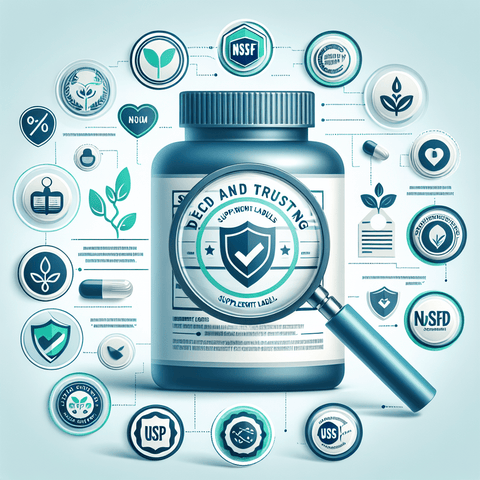
Voici une vision claire et lucide des ingrédients des compléments dévoilés. Ce guide honnête vous aide à comprendre ce qu’indique l’étiquette, comment la lire, et ce qu’elle peut ou ne peut pas vous révéler sur un produit. Vous apprendrez des démarches pratiques pour repérer les termes inconnus, identifier les additifs, et comparer des options en toute confiance. L’objectif est la transparence et la pensée critique, et non le marketing excessif ou les revendications non vérifiées. Commencez par les bases de la lecture des étiquettes. Le panneau "Valeurs du supplément" indique la taille de la portion et la quantité par portion, suivi des ingrédients. Les ingrédients sont généralement présentés par ordre décroissant de poids, ce qui peut vous donner une idée de ce qui domine dans le produit. Si vous tombez sur un « mélange propriétaire », notez que l’étiquette peut révéler le poids total du mélange sans spécifier les quantités des composants individuels. Faites attention aux remplisseurs, liants, agents de flux ou colorants et arômes artificiels, qui sont souvent utilisés en fabrication. Utilisez les détails de l’étiquette comme point de départ pour la comparaison plutôt que comme source unique d’information. Repérer les additifs peut vous aider à distinguer les aides à la transformation courantes des ingrédients plus substantiels. Les additifs tels que les liants, revêtements, stabilisateurs, émulsifiants et solvants remplissent des fonctions spécifiques en fabrication, mais leur présence peut varier considérablement d’un produit à l’autre. Des termes vagues ou des phrases générales comme « arômes naturels » peuvent cacher ce qu’il y a réellement dedans. Considérez la clarté avec laquelle une entreprise décrit les sources des ingrédients et si l’étiquette fournit suffisamment d’informations pour comprendre ce que vous examinez. L’objectif est de distinguer ce qui est bien documenté sur l’étiquette de ce qui pourrait nécessiter des recherches supplémentaires. Pour choisir des produits plus sûrs et plus fiables, privilégiez les marques qui mettent l’accent sur la transparence et la vérification par des tiers. Les programmes de tests indépendants et les certifications — telles que USP Verified ou NSF Certified for Sport — sont de bons indicateurs que la composition et les quantités indiquées correspondent à ce qui est déclaré. Vérifiez également les informations spécifiques au lot, comme le numéro de lot et les certificats d’analyse, et examinez le contrôle qualité et l’historique de rappels de l’entreprise. En privilégiant l’ouverture et les tests vérifiables, vous pouvez naviguer dans cet univers avec plus de confiance, guidé par le principe de la transparence des ingrédients des compléments.


Unlocking the Truth About Supplement Labels: What Every Consumer Must Know - Topvitamine
31 August 2025
Lire une étiquette de complément alimentaire permet de vérifier sa composition, la quantité de substances actives, les précautions d’emploi et les informations réglementaires. Ce guide explique les principales mentions obligatoires, la différence entre ingrédients actifs et excipients, les limites des allégations marketing et les critères à examiner avant de choisir un produit. Il rappelle également quand demander conseil à un professionnel de santé.

Supplement ingredient labels are your main window into what a product actually contains—but they are not always as straightforward as they seem. This guide explains how to read those labels, what common terms really mean, and why transparency matters when choosing supplements. You’ll also learn how to spot additives, verify quality through independent testing, and compare products with greater confidence. This is a practical, no-hype overview of the topic, designed to help you navigate the supplement aisle with a clearer head.

What Are Supplement Ingredients, and How Are They Listed?

Supplement ingredients include the active components—like vitamins, minerals, herbs, or amino acids—as well as inactive substances used in manufacturing, such as fillers, binders, and coatings. On a typical Supplement Facts panel, ingredients are listed in descending order by weight. This means the first few ingredients make up the largest portion of the product, which can help you understand what dominates the formula.

However, order by weight is not the same as importance. Some active ingredients are present in very small amounts yet are still biologically meaningful. Also, “proprietary blends” can list a total weight for a group of ingredients without showing the amount of each individual component. This is a common practice, but it limits how much you can learn from the label alone.

Understanding these basics helps you interpret what you see and recognize when more research is needed. For more detailed guidance on specific nutrients, you can explore our multivitamins guide or our mineral supplements guide.

Spotting Additives, Fillers, and Unclear Terms

Many supplement ingredients are not active nutrients at all. Additives like binders, flow agents, stabilizers, emulsifiers, and solvents help with manufacturing and product consistency. While these are generally safe in small amounts, their presence can vary widely between brands. Knowing what they are can help you understand what you’re consuming.

Be cautious with vague terms like “natural flavors” or “proprietary blend.” These can obscure the full picture. A label that clearly describes ingredient sources and provides specific names is usually more transparent than one that relies on blanket phrases. If a term is unfamiliar, take the time to look it up or contact the manufacturer for more details.

Here are some common non-active ingredients you might see:

  • Fillers: add bulk to capsules or tablets.
  • Binders: help ingredients stick together.
  • Flow agents: prevent powders from clumping.
  • Coating: may affect how quickly a tablet dissolves.
  • Artificial colors or flavors: used for appearance or taste.

The goal is not to avoid all additives—some are necessary for quality and stability—but to be aware of what is in your supplement and why.

Choosing Supplements with Transparent Ingredients

When selecting a supplement, the label is only the starting point. Look for brands that prioritize transparency and third-party verification. Independent testing programs like USP Verified or NSF Certified for Sport can provide extra assurance that the ingredients and amounts listed on the label are accurate. Batch-specific information, such as lot numbers and certificates of analysis, allows you to verify what was actually tested.

It’s also worth reviewing a company’s quality control practices and recall history. A brand that openly shares testing results and follows good manufacturing practices is generally more trustworthy. For more specific categories, you can explore our sports supplements guide or our herbal supplements guide for ingredient-related insights.

Red Flags and Limitations of Labels

Not all supplements are equally transparent. Some labels hide more than they reveal. Here are a few red flags to watch for:

  • Vague or proprietary blends with no individual amounts.
  • Overly broad disclaimers or “may help” claims without specifics.
  • No contact information or batch details for further inquiry.
  • Mega-doses of certain nutrients beyond recommended levels.

Remember that a label can’t tell you everything. It doesn’t capture how a product was manufactured, whether it truly contains what it claims, or how your body will respond. Labels are useful tools, but they should be part of a larger evaluation that includes research and, where appropriate, professional guidance.

How to Make Informed Supplement Choices

To make the most of supplement ingredient information, adopt a simple checklist:

  1. Read the Supplement Facts panel and identify all active ingredients.
  2. Look for specific amounts rather than proprietary blends.
  3. Check for third-party seals of approval.
  4. Request certificates of analysis if needed.
  5. Compare similar products to see which offers greater transparency.

If you are unsure about a particular ingredient or supplement, consult a healthcare professional—especially if you have underlying health conditions or take medications. This guide is for educational purposes and does not replace personalized medical advice.