
Utiliser un guide de lecture des étiquettes des compléments peut vous aider à aborder le marché avec clarté. Une étiquette bien structurée fournit le cadre dont vous avez besoin pour comparer les produits sans vous laisser emporter par le marketing. Dans ce guide, vous apprendrez à décoder trois domaines principaux : les ingrédients, les dosages et les revendications, afin de faire des choix plus intelligents et mieux informés. L'accent ici est mis sur des étapes pratiques que vous pouvez appliquer à tout produit. Ingrédients : lisez la liste et faites attention à l'ordre des composants. Les ingrédients actifs sont généralement listés en premier ; le reste concerne les ingrédients inactifs tels que les charges, les liants et les colorants. Si un produit utilise un mélange propriétaire, l’étiquette peut ne divulguer qu’un montant total pour le mélange, sans indiquer la quantité de chaque ingrédient, ce qui limite la transparence. Surveillez également la présence potentielle d’allergènes et d’additifs inutiles que vous pourriez vouloir éviter. Dosages et taille de la portion : identifiez la taille de la portion et la quantité de chaque composant par portion, généralement indiquées en mg, mcg ou unités internationales. Comparez ces quantités à vos besoins pour le type de produit donné, et notez le nombre de portions dans le contenant pour calculer l’exposition totale. Recherchez le % de la valeur quotidienne pour comprendre comment une portion contribue aux mesures standards, et soyez conscient des différences entre les totaux par portion et par contenant. Si un mélange propriétaire est présent, il se peut que les quantités exactes de chaque ingrédient ne soient pas divulguées. Revendiсations et vérification : séparez le langage marketing des informations factuelles présentées dans le panneau des faits sur le supplément. Vérifiez la présence de certifications indépendantes d’organismes tiers ; celles-ci peuvent offrir une couche supplémentaire d’assurance concernant la qualité. Les détails de la tenue des registres sur l’étiquette – nom du fabricant, numéro de lot et date d’expiration – facilitent la traçabilité et les contrôles de sécurité. Utilisez ensemble ces éléments dans votre guide de lecture des étiquettes pour faire des choix plus intelligents et éclairés.
Comment lire les étiquettes des compléments : Le guide essentiel pour des compléments sûrs et efficaces
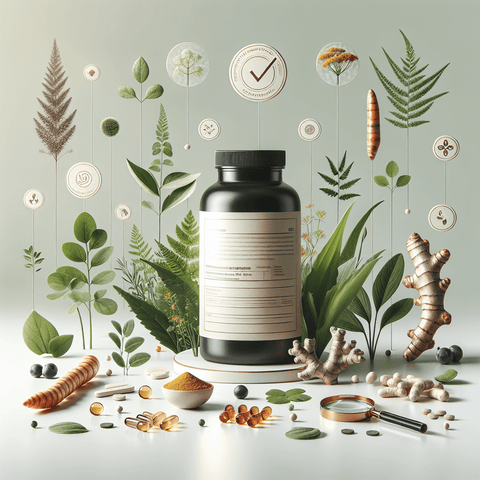
A supplement label reading guide is essential for anyone who wants to navigate the world of vitamins, minerals, and other dietary products with confidence. The front of a bottle may feature compelling language and attractive designs, but the most important information is found in the small print. Learning to decode this information allows you to understand what a product contains, how much of each ingredient you are getting, and what the manufacturer can and cannot legally claim.
This guide provides a broad overview of how to approach a supplement label. It breaks down the core elements you will encounter, including the Supplement Facts panel, ingredient lists, dosages, and certification seals. By understanding these components, you can better assess any product, making choices that align with your own health needs and preferences.
Understanding the Supplement Facts Panel
The Supplement Facts panel is the standardized section on a supplement label that lists the product's nutritional and dietary information. It is the first place you should look when evaluating a supplement. This panel provides the factual basis for understanding what is inside the bottle, distinct from any claims made on the front of the packaging.
Serving Size and Servings Per Container
Every Supplement Facts panel begins with the serving size, which indicates the amount of the product to consume at one time. This could be one capsule, two gummies, or one scoop of powder. The panel also lists the number of servings per container. Pay close attention to these details. A bottle may appear to be a good value, but if the serving size is four capsules and you only take one, the product will last much longer than the serving count suggests. To calculate total exposure to all ingredients, multiply the per-serving amount by the number of servings.
Amount Per Serving and % Daily Value
For each ingredient, the label provides the amount per serving, typically measured in milligrams (mg), micrograms (mcg), or International Units (IU). Some products also list the % Daily Value (%DV), which shows how much a serving contributes to a standard daily diet of 2,000 calories. This is a useful reference for key vitamins and minerals, but it is not required for all ingredients, such as proprietary blends or botanical extracts. Always compare the amount per serving against your own needs and consult a healthcare professional when determining appropriate intake levels.
Decoding the Ingredient List
The ingredient list on a supplement label is a complete list of everything in the product. It is a crucial tool for understanding what you are consuming. The list typically presents components in order of quantity, with the most concentrated ingredients appearing first. However, there are nuances to understand, particularly when it comes to proprietary blends.
Active Ingredients vs. Inactive Ingredients
Ingredients in a supplement can be split into two main categories: active and inactive. Active ingredients are the components intended to produce the supplement's claimed effect, such as vitamin C, magnesium, or an herbal extract. Inactive ingredients serve other purposes, such as fillers, binders, and colorings. While these do not provide the primary benefit, they are still part of the product. If you have known allergies or sensitivities, check the inactive ingredient list to avoid unnecessary additives.
What Is a Proprietary Blend?
Some supplements contain a proprietary blend, which is a unique mixture of ingredients created by the manufacturer. The label often lists a total weight for the entire blend without disclosing the specific amount of each individual ingredient. This can limit transparency, as you can see which ingredients are included but not the exact dosage of each. If ingredient-level transparency is important to you, you may prefer products that provide complete amounts for every component.
Evaluating Claims and Seeking Verification
Supplement labels often contain marketing claims on the front of the package. These claims need to be evaluated carefully and separated from the factual information found in the Supplement Facts panel. Understanding how to assess these claims is a key part of any supplement label reading guide.
Differentiating Marketing Language from Facts
Words like “support,” “promote,” and “help maintain” are common on supplement labels. These phrases are different from claims that a product can “cure” or “treat” a disease, which are prohibited. The factual information, such as the amounts of each ingredient per serving, is what provides a concrete basis for comparison. Always cross-reference a product's claims with the data in the Supplement Facts panel to see if the actual amounts of ingredients seem reasonable.
The Role of Third-Party Testing and Certifications
Independent third-party testing can provide an extra layer of assurance about a supplement's quality. Several organizations offer certification programs that verify a product contains what the label claims and is free from harmful contaminants. Looking for seals from these independent bodies is a reliable way to find a quality supplement. These certifications are voluntary, so their presence demonstrates a manufacturer's commitment to quality control.
Traceability and Product Safety
A responsible manufacturer provides traceability information on the label. Look for the manufacturer's name and contact information, a lot or batch number, and an expiration date. This information is crucial for accountability and safety. Should you have any questions about the product or need to report an adverse event, this information allows you to trace the product back to its source.
Practical Steps for Using a Supplement Label Reading Guide
Putting all these elements together, you can develop a practical method for evaluating any supplement. A consistent approach helps you make informed decisions and avoid being swayed by clever marketing. Here is a simple, repeatable process:
- Start with the Supplement Facts panel to identify the serving size and the amount of each active ingredient per serving.
- Review the full ingredient list to spot any inactive ingredients you may wish to avoid, and identify whether a proprietary blend limits transparency.
- Separate the product's marketing language from its factual information, and be cautious of any claims that seem too good to be true.
- Look for third-party certification seals to gain additional confidence in the product's quality.
- Check the batch number and expiration date to ensure the product is traceable and fresh.
By following these steps, you are not just reading a label; you are taking an active role in your own health and wellness decisions. This process can be applied to any supplement, from a simple multivitamin to a complex herbal formula.
Exploring Different Supplement Types
Understanding how to read a label is a universal skill, but it becomes even more useful when you understand the main categories of supplements on the market. Vitamins, minerals, herbal extracts, and other specialty products all have unique considerations. For a broader understanding of the different types of supplements available, you can explore our natural supplements collection. Knowing what is in a category of products can help you understand what to expect on the label.
A Framework for Informed Supplement Choices
Mastering the art of reading a supplement label is a foundational step in making informed health choices. It empowers you to see through marketing hype and focus on the data that matters. By consistently applying these principles, you can approach any supplement with clarity and confidence.
This overview is designed to serve as a starting point. The specific nutrients, their forms, and their potential roles in the body are vast topics. For instance, understanding the differences between types of multivitamins or the specific benefits of magnesium are topics that benefit from their own dedicated exploration. Use the categories on our site to delve deeper into any specific nutrient or supplement type that interests you.