
Une démarche pratique pour assurer la sécurité des compléments commence par quatre étapes : lire les étiquettes, vérifier les certifications, éviter les arnaques et choisir en toute confiance des compléments sûrs. En se concentrant sur un étiquetage transparent, une vérification crédible par des tiers et une sélection minutieuse des produits, vous pouvez naviguer sur le marché avec une meilleure clarté. Ces mesures de sécurité des compléments vous aident à évaluer ce que vous envisagez d’acheter et à réduire l’exposition à des informations incertaines ou trompeuses. Lire les étiquettes est une étape fondamentale des mesures de sécurité des compléments. Examinez la liste des ingrédients, la taille de la portion et les quantités spécifiques d’ingrédients actifs. Recherchez les déclarations d’allergènes, les excipients et les éventuels contaminants. Notez le pays de fabrication, le nom du fabricant et ses coordonnées, ainsi que la date d’expiration ou de meilleur avant. Faites preuve de prudence face aux mentions vagues de « mélange propriétaire » qui ne détaillent pas les quantités exactes, et soyez vigilant face aux affirmations sans preuves concrètes. Une lecture attentive de l’étiquette est une mesure de sécurité essentielle. La vérification des certifications est une autre étape cruciale. Cherchez des produits portant les logos d’organismes tiers reconnus comme USP, NSF International ou d’autres organismes accrédités en lien avec votre région. Lorsqu’une certification est visible, vérifiez son statut actuel sur le site du organisme certificateur et comparez le nom du produit ainsi que le numéro de lot. Assurez-vous que la certification couvre bien la catégorie de produit concernée et que le lot n’a pas expiré. Confirmez également la conformité GMP du processus de fabrication si cela s’applique. L’intégration de cette étape renforce votre démarche en matière de sécurité des compléments. Évitez les arnaques et choisissez en toute confiance des compléments sûrs en évaluant le vendeur et la marque. Achetez auprès de marques réputées avec des politiques transparentes, des coordonnées facilement accessibles et des options de retour claires. Méfiez-vous des prix exceptionnellement bas, des affirmations extraordinaires ou de la pression pour acheter rapidement. Comparez les produits chez des détaillants de confiance et vérifiez les numéros de lot lorsqu’ils sont disponibles. En suivant ces mesures de sécurité, vous pourrez prendre des décisions d’achat plus éclairées et promouvoir l’intégrité des produits.
Mesures de sécurité concernant les compléments : Astuces pour choisir des suppléments sûrs
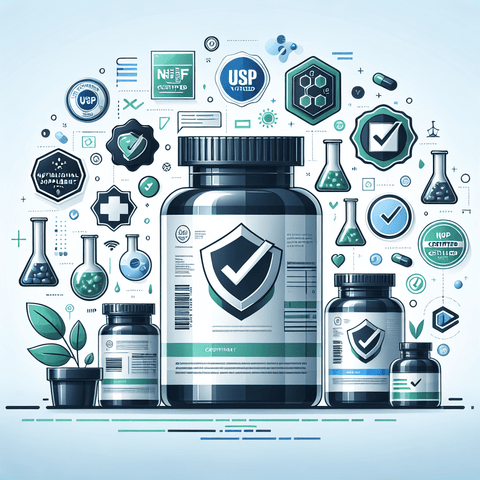
Navigating the world of dietary supplements involves more than just choosing a brand or a familiar ingredient. A thoughtful approach to supplement safety measures can help you evaluate products with greater confidence and avoid misleading information. This guide provides a broad framework for understanding how to assess supplements, from reading labels to verifying certifications and spotting potential red flags.
Reading Supplement Labels Carefully
Reading the label is a foundational step in any supplement safety routine. It is the first point of contact with the product's factual information and can tell you a great deal about its transparency and quality.
When reviewing a label, pay attention to the following elements:
- The ingredient list and the specific amount of each active ingredient.
- Information on allergens, fillers, and other additives.
- The country of manufacture and the manufacturer’s name and contact information.
- The expiration or best-by date to ensure freshness.
Be cautious of vague terms such as “proprietary blend” when they do not break out the exact amounts of each ingredient. Similarly, watch for health claims that lack supporting detail or seem too good to be true. Scrutinising these details is a core supplement safety measure.
Verifying Third-Party Certifications
Another essential supplement safety measure is verification of certifications. Many reputable products carry logos from independent organisations that test for quality and purity. However, simply seeing a logo is not enough; you should take steps to verify that the certification is valid and applicable.
Consider the following when checking certifications:
- Look for well-known third-party seals such as USP, NSF International, or other accredited bodies relevant to your region.
- Verify the certification's current status on the certifying body’s official website.
- Check that the product name and lot number on the package match the certification for that specific product.
- Confirm that Good Manufacturing Practices (GMP) compliance is indicated where applicable.
Taking these steps strengthens your approach to supplement safety measures by ensuring that a certification isn't just a logo but a meaningful indicator of quality. For a deeper look at the types of products that are subject to these standards, you might explore our range of natural supplements.
How to Spot Supplement Red Flags
Understanding what to look for can help you identify products that may not meet appropriate safety standards. Recognising red flags is a proactive supplement safety measure that can save you from wasting money or, more importantly, from using an unsafe product.
Common red flags include:
- Unrealistic or extraordinary claims about health benefits.
- A lack of transparent contact information for the manufacturer or seller.
- Unusually low prices that seem too good to be true.
- Pressure tactics to buy immediately or a refusal to provide batch or lot numbers.
Being able to spot these signs is a valuable part of choosing safe supplements.
Choosing Safe Supplements: Practical Considerations
Beyond reading labels and verifying certifications, there are broader considerations that contribute to supplement safety. The process of choosing safe supplements involves evaluating the seller, the brand, and even the type of product you're considering.
A few practical steps can help:
- Purchase from reputable brands with clear policies, accessible customer service, and easy return options.
- Compare products across different reputable retailers to get a sense of standard pricing and quality.
- Verify batch or lot numbers whenever they are available, as this links a specific product to its quality tests.
For example, if you are looking for specific types of supplements, it can be helpful to review our guide to herbal supplements or explore multivitamin safety and usage information to understand more about how these categories are regulated and what to look for.
The Importance of a Critical Mindset
Ultimately, supplement safety measures are built on a foundation of critical thinking. It involves understanding that the supplement industry is diverse and that not all products are created equal. By approaching each purchase with a set of clear questions—about the label, the certification, the brand, and the claims—you put yourself in a stronger position to make decisions that align with your health goals.
This guide is intended for educational purposes and provides a general framework for evaluating supplements. It is not a substitute for professional medical advice. Always consult with a qualified healthcare provider before starting any new supplement, especially if you have underlying health conditions or are taking medication.