
Pouvez-vous mélanger de l’alcool avec des compléments ? Cette page sur la sécurité des compléments avec l’alcool offre des conseils pratiques pour vous aider à faire ce choix. Elle couvre des astuces essentielles de sécurité, les interactions courantes à surveiller et des démarches pratiques que vous pouvez suivre pour vous protéger. Les informations présentées sont à titre informatif et ne remplacent pas un avis professionnel. La sécurité commence par l’étiquetage. Lisez toujours l’étiquette du complément pour vérifier les avertissements concernant l’alcool et les précautions sur l’utilisation simultanée. Si l’étiquette conseille de ne pas mélanger, n’insistez pas. Pensez au timing : espacer la prise du complément et de l’alcool de plusieurs heures peut aider, et évitez d’utiliser des quantités importantes de l’un ou l’autre. Soyez également attentif à la charge totale sur votre système et évitez de combiner plusieurs produits pouvant amplifier les effets sédatifs. Les interactions courantes auxquelles il faut faire attention incluent des modifications de l’absorption ou du traitement des ingrédients par le corps, ainsi que des effets additifs comme la somnolence, les vertiges ou une altération de la vigilance. Ces réactions peuvent varier selon le produit et la personne. Si vous remarquez des effets inhabituels après mélange, cessez l’utilisation et consultez un professionnel. Pour vous protéger, adoptez des mesures pratiques telles que modérer votre consommation, limiter la fréquence, tenir un journal simple de ce que vous prenez et quand, et éviter de mélanger lorsque vous avez besoin d’être pleinement alerte. Si vous avez des questions sur l’usage spécifique de vos compléments ou de l’alcool, consultez un pharmacien ou un professionnel de santé. En cas de doute, prenez le complément à un autre moment que l’alcool et assurez-vous d’un stockage et d’un étiquetage sûrs. Lisez maintenant pour en savoir plus sur la sécurité des compléments avec l’alcool.
Pouvez-vous mélanger de l'alcool avec des suppléments ? Conseils de sécurité essentiels
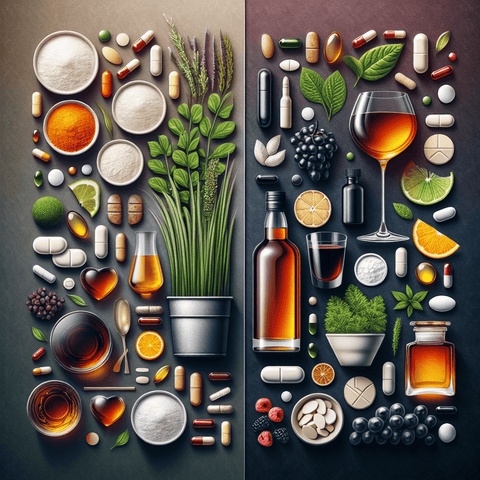
Many people take dietary supplements while also consuming alcohol, but exploring this combination safely requires understanding how they can interact. Alcohol can affect nutrient absorption, metabolism, and elimination, potentially altering how a supplement works in the body. This guide provides a broad overview of supplement safety with alcohol, covering key interaction types, nutrients affected by alcohol, general safety principles, and practical tips for making informed choices. It serves as a starting point for understanding the topic before diving into more specific supplement and alcohol questions.
How Alcohol Can Affect Supplements
Alcohol is processed by the liver, an organ that also metabolizes many supplements and medications. Consuming alcohol can influence how supplements are broken down and eliminated, potentially making them less effective or, in some cases, increasing the risk of adverse effects. The exact effect depends on the supplement, the amount of alcohol, and individual factors such as genetics, age, along with liver health.
Alcohol can also directly impact how nutrients are absorbed in the digestive tract. For example, chronic heavy drinking can impair the absorption of certain B vitamins and other essential nutrients. Additionally, alcohol itself can act as a diuretic, potentially increasing the excretion of certain minerals like magnesium and potassium, which are also commonly found in supplements.
Common Supplement-Alcohol Interaction Risks
The primary concern with mixing alcohol and supplements is the potential for additive, antagonistic, or otherwise unpredictable effects. While not an exhaustive list, the following categories highlight common areas of concern:
- Increased drowsiness or sedation: Some supplements, such as melatonin, valerian root, or certain herbs used for relaxation, may have calming or sedative properties. Combining them with alcohol is unsafe and can lead to excessive drowsiness, coordination problems, along with slowed breathing.
- Potential liver strain: Both alcohol and many supplements are processed by the liver. High doses of certain nutrients or botanical extracts, particularly when combined with heavy drinking, could theoretically add to the metabolic load on the liver. This is particularly relevant for supplements like vitamin A, which has known liver toxicity concerns at high doses.
- Changes in absorption or metabolism: Alcohol can alter gastric emptying and digestive secretions, which may affect how quickly or efficiently certain supplement ingredients are absorbed. It can also influence drug-metabolizing enzymes, potentially changing how the body processes ingredients from supplements.
- Increased cardiovascular stress: Alcohol can affect heart rate and blood pressure. Combining it with stimulants, such as high doses of caffeine found in some sports supplements, could put additional strain on the cardiovascular system.
Due to the potential for increased adverse effects, specific combinations like vitamin A and alcohol, which may intensify liver stress, or St. John's Wort and alcohol, which may amplify drowsiness, warrant particular caution. Several hours between intake does not eliminate all risks.
Nutrients That May Be Affected by Alcohol
Alcohol consumption, particularly when frequent or heavy, can deplete or interfere with the body's use of certain nutrients. Understanding which nutrients may be affected can help you monitor your overall intake.
- B vitamins: Alcohol can hinder the absorption of B vitamins such as thiamin (B1), folate (B9), and B12, which are important for energy metabolism and nervous system health.
- Magnesium: This mineral, essential for muscle, nerve, and bone health, can be lost in higher amounts in urine due to alcohol's diuretic effect.
- Zinc: Alcohol can decrease zinc absorption and increase its excretion, affecting immune function and cellular metabolism.
- Vitamin D: Some research suggests alcohol may affect vitamin D metabolism, though the relationship is complex and influenced by many factors. Maintaining adequate vitamin D status is generally recommended.
If you are concerned about nutrient depletion due to alcohol intake, you may find it useful to review guides on specific nutrients like the comprehensive overview of Vitamin B supplements or information on magnesium supplementation.
General Safety Principles for Combining Alcohol and Supplements
Following a few general principles can help you navigate the combination of supplements and alcohol with greater caution. It is important to remember that dietary supplements can affect people differently.
- Always read the supplement label first. Look for any specific warnings about alcohol or instructions on timing or usage.
- Consider separating intake by several hours. Spacing out when you take a supplement and when you drink alcohol may help reduce potential interactions, though it does not completely prevent them.
- Be mindful of overall intake. Avoid combining multiple supplements that have similar effects, such as several that cause drowsiness, along with alcohol.
- Modify your habits based on context. If you need to be alert, such as before driving or operating machinery, it is safest to avoid combining alcohol with supplements, particularly those with sedative effects.
- Keep a simple log of what you take. Tracking the supplement, dose, time, and any alcohol consumed can help you identify potential patterns or side effects.
- Consult a healthcare professional. A pharmacist or clinician is best placed to provide advice considering your whole medicine cabinet, including prescriptions, over-the-counter drugs, and supplements, along with your personal health status.
If you notice any unusual or concerning effects after taking a supplement with alcohol, discontinue use and seek guidance from a qualified healthcare provider.
General Supplement Use and Safety
This page focuses on the intersection of supplements and alcohol, but it exists within the broader context of supplement safety. Understanding how to choose high-quality products, read labels, and use supplements appropriately is part of being an informed consumer. For a wider perspective on choosing and using supplements safely, you can explore our guide on natural supplements.
Conclusion and Further Exploration
Supplement safety with alcohol depends on a variety of factors, including the specific product, individual health, and drinking patterns. Focusing on the principles of reading labels, mindful timing, moderation, along with professional guidance remains the core of safe practice. Neither skipping a supplement nor having a drink warrants unnecessary risk, absorbed understanding of potential interactions allows for far better informed choices.
Exploring the specific interactions of individual supplements is best done through detailed resources. For instance, if you are interested in a particular herb, reviewing its specific safety profile can help. You can find a broader discussion on traditional uses, sourcing, and safety considerations in the guide to herbal supplements. This page offers general guidance, but always defer to qualified healthcare professionals for advice tailored to your personal health circumstances.