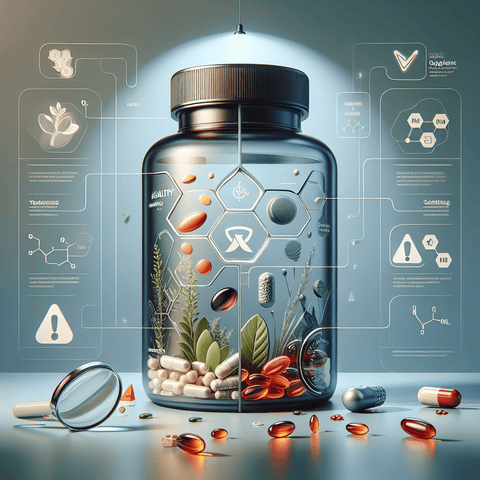
Test de tiers pour les compléments : Vérifiez la pureté, la puissance et la sécurité avec des laboratoires indépendants


La vérification tierce des compléments consiste à envoyer des échantillons de produits à des laboratoires indépendants pour vérification. Cette vérification externe ajoute une couche de contrôle sur les ingrédients, les procédés de fabrication et l’étiquetage. En séparant la production de la vérification, elle favorise une documentation transparente et des données objectives sur la composition d’un produit. Pour les marques et les consommateurs, l’accent est mis sur l’information vérifiée plutôt que sur les revendications marketing. Les laboratoires indépendants réalisent plusieurs analyses clés. Le test d’identité confirme que les ingrédients listés sont présents sous les formes attendues. Le test de puissance mesure les quantités de composants actifs, tandis que le test de pureté dépiste d’éventuels contaminants et impuretés. Les laboratoires peuvent également rechercher des substances non déclarées pour s’assurer que le produit correspond à son étiquette. Les résultats sont généralement fournis dans un certificat d’analyse accompagnant chaque lot. Une vérification fiable des compléments par des tiers repose sur des méthodes standardisées et une accréditation crédible. Recherchez des certificats précisant le numéro de lot, les méthodes exactes de test utilisées et les limites de détection. L’accréditation par des organismes tels que ISO/IEC 17025, ou la participation à des programmes de l’USP, NSF International ou ConsumerLab, indique un cadre rigoureux de qualité. Un COA clair facilite la comparaison des produits entre différentes marques de manière cohérente. Comprendre le rôle des tests indépendants peut aider à prendre des décisions plus éclairées lors de l’évaluation des options sur le marché. En examinant les certificats, la précision de l’étiquetage et les données par lot, vous pouvez évaluer dans quelle mesure un produit correspond à ses spécifications déclarées. Lors de vos achats, recherchez des produits disposant de COA accessibles, spécifiques à chaque lot, et d’une documentation transparente provenant de laboratoires accrédités pour orienter vos choix. Faites vos choix en toute confiance dès aujourd’hui.


Heavy Metals in Supplements: What to Know in 2026 - Topvitamine
12 August 2026
Des métaux lourds tels que le plomb, l'arsenic, le cadmium et le mercure peuvent être présents dans les compléments alimentaires, souvent à des niveaux inférieurs aux limites réglementaires, mais parfois assez élevés pour susciter des inquiétudes. Ce guide explique comment la contamination se produit, quels produits présentent le plus de risques et comment interpréter les résultats de tests indépendants. Vous apprendrez également à évaluer les certifications tierces et à choisir des compléments en toute confiance en 2026.
How to Tell if Your Supplement Is Safe and Free from Harmful Additives - Topvitamine
29 August 2025
La sécurité des compléments alimentaires dépend de leur composition, de la dose, de la qualité du fabricant et de votre situation personnelle. Ce guide vous aide à lire une étiquette, repérer les informations manquantes, éviter les cumuls et identifier les interactions possibles avec les médicaments. Il explique aussi pourquoi le naturel n’est pas toujours sans risque et quand demander conseil à un professionnel de santé.

The dietary supplement market is vast, making it challenging to determine which products are truly high quality. Supplement third-party testing offers an objective way to verify what is actually inside a product. This guide explains what third-party testing involves, why it matters, andhow you can use the results to make more informed choices.

Understanding Supplement Third-Party Testing

Third-party testing for supplements is the process where an independent laboratory, with no financial interest in the product's sales, analyzes samples to verify their contents. This is different from first-party testing, where a manufacturer tests its own products, or second-party testing, where a retailer tests the products it sells. The independence of the lab is designed to add a layer of objectivity and credibility to the verification process.

The goal is to confirm that the product on the shelf matches its label claims. This verification can cover several different aspects of quality, which are described in the sections below.

What Independent Labs Verify

When a supplement is sent to an independent lab, the analysis typically focuses on several key areas. Understanding these can help you interpret a certificate of analysis (COA) more effectively.

Identity Testing

Identity testing confirms that the ingredients listed on the label are actually present in the product. For example, if a label lists a specific botanical extract, identity testing verifies thatthe correct plant species is used. This helps ensure you are getting the ingredient you expect.

Potency Testing

Potency testing measures the amount of active components in a supplement. This analysis checks whether the product contains the declared amount of each ingredient. A product might contain a listed ingredient, but in a quantity that differs significantly fromthe label, which could affect its usefulness.

Purity and Contaminant Screening

Purity testing screens for unwanted substances, including contaminants and impurities. This may involve checking for heavy metals, pesticides, microbes, or other potentially harmful residues. Some testing also looks for undeclared substances to ensure the product aligns with its label and does not contain hidden ingredients.

Together, these analyses provide a comprehensive picture of a product's quality, extending beyond what simple label reading can offer.

How to Read a Certificate of Analysis (COA)

The results of third-party testing are typically documented in a Certificate of Analysis (COA). This document is the primary way consumers can access the data from an independent lab. Knowing what to look for on a COA can help you evaluate and compare products more effectively.

Consider these key elements when reviewing a COA:

  • Batch or lot number: The certificate should correspond to the specific batch of the product you are considering. This ensures the test results apply to that particular production run.
  • Test methods: Look for information on the analytical methods used. Standardized methods provide more confidence in the results.
  • Limits of detection: This indicates the smallest amount of a substance thatthe lab can reliably detect. This is particularly important for purity testing.
  • Accreditation: Check if the testing laboratory is accredited by a recognized body, such as ISO/IEC 17025. This indicates thatthe lab meets specific quality management standards.

A COA that clearly lists these elements can make it easier to compare products across different brands in a consistent way.

Why Third-Party Testing Matters

Third-party testing is a valuable tool for anyone looking to understand what is in their supplements. By providing objective data, it helps shift the focus from marketing claims to verifiable information.

For consumers, this testing supports more informed decision-making. Instead of relying solely on a brand's reputation or promises, you can review independent data about the product's identity, potency, and purity. This can be particularly useful when evaluating unfamiliar brands or products.

Furthermore, a commitment to third-party testing can be a signal of a brand's transparency. Brands that willingly share batch-specific COAs are often more confident in their manufacturing processes and quality control.

Practical Considerations for Consumers

When you are evaluating supplements, knowing how to use third-party testing information can be helpful. Here are a few practical points to keep in mind:

  • Look for accessible COAs: Seek out brands that provide certificates of analysis fortheir products, either on their website or upon request.
  • Check for batch-specific data: Ensure the COA is tied to the specific batch or lot number of the product you are considering, not just a general certificate.
  • Understand the scope of testing: Not all testing is the same. Some labs may test for a wide range of contaminants, while others may have a more limited scope. Reviewing the COA helps you understand what was actually checked.

Keep in mind that third-party testing provides data at a specific point in time for a specific batch. It is a strong indicator of a product's quality, but it is part of a broader picture that also includes manufacturing practices and regulatory compliance.

Exploring Supplements and Quality

Understanding third-party testing is one aspect of evaluating the broader supplement landscape. As you explore different types of nutrients and supplements, you may find it useful to consider their specific characteristics and quality considerations. For example, you can explore guides onnatural supplements or learn more about the general principles behindmultivitamins. These resources can help you build a more complete understanding of what to look for in a high-quality product.

Ultimately, supplement third-party testing empowers you to ask better questions and make choices based on objective information. By learning to review certificates of analysis and understanding what independent labs verify, you can navigate the supplement market with greater confidence. The information provided here is for educational purposes and is not a substitute for professional medical advice. Always consult with a qualified healthcare provider before starting any new supplement regimen.