Compléments testés par des tiers : vérification en laboratoire indépendante en laquelle vous pouvez avoir confiance
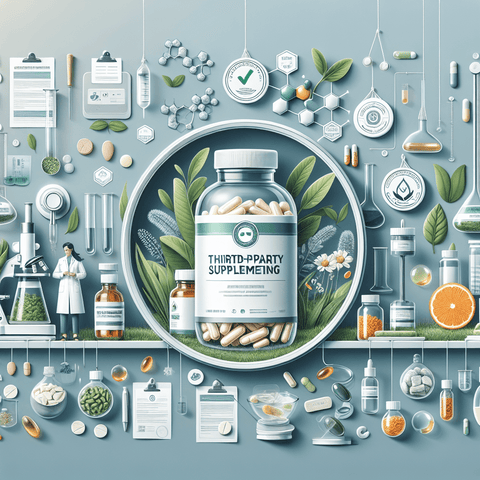

Les tests effectués par des tiers et la vérification par des laboratoires indépendants sont essentiels pour confirmer la pureté, la puissance et la sécurité des compléments alimentaires. Les compléments testés par des tiers sont évalués par des laboratoires neutres et accrédités qui n'ont aucun intérêt financier dans le produit. Cette séparation aide à garantir que ce qui figure sur l’étiquette correspond bien au contenu réel et que les normes de qualité sont appliquées de manière cohérente. Des rapports transparents issus de ces évaluations donnent aux marques une voie claire pour démontrer leur responsabilité envers les consommateurs. Lors de la vérification, les laboratoires confirment l'identité des ingrédients, quantifient les composants actifs et recherchent la présence de contaminants et d'impuretés. Les établissements accrédités utilisent des méthodes validées et suivent des protocoles établis pour produire un certificat d’analyse (COA) pour chaque lot. Les COA, souvent mis en ligne par les marques, fournissent des détails sur les lots testés, les méthodes d’analyse et les résultats, permettant aux consommateurs de consulter les données derrière les revendications sur l’étiquette. Se fier à des compléments testés par des tiers favorise un marché où les marques sont incitées à maintenir un contrôle qualité rigoureux et une étiquetage précis. La vérification indépendante encourage la cohérence entre les différentes productions et les fournisseurs, aidant à réduire les écarts entre ce que dit l’étiquette et la composition réelle. En privilégiant des résultats transparents, les consommateurs peuvent comparer les produits en toute confiance. Cliquez pour voir des marques de confiance avec des résultats transparents.


What are Third-Party Tested Supplements and Why Should You Look for Them? - Topvitamine
29 August 2025
Les compléments testés par des tiers sont évalués par un organisme indépendant afin de vérifier certains aspects de leur identité, de leur teneur et de leur pureté. Cette démarche peut renforcer la transparence, sans garantir à elle seule l’efficacité ni l’absence de tout risque. Découvrez comment interpréter les labels NSF et USP, vérifier un certificat d’analyse et choisir un produit adapté à vos besoins.

How to Choose Third-Party Tested Supplements You Can Trust - Topvitamine
28 August 2025
Les compléments alimentaires testés par des tiers sont évalués par un organisme ou un laboratoire indépendant afin de vérifier certains critères comme l’identité, le dosage et la présence de contaminants. Ce guide explique la différence entre certification, analyse de lot et bonnes pratiques de fabrication, tout en proposant une méthode concrète pour comparer les marques, lire un COA et acheter avec davantage de discernement.

Are third-party tested supplements worth the extra cost? - Topvitamine
28 August 2025
Les compléments alimentaires testés par des tiers bénéficient d’un contrôle supplémentaire de certains critères comme l’identité, la teneur ou la pureté. Ils ne garantissent toutefois ni l’efficacité pour chaque personne ni l’absence totale de risque. Ce guide explique comment comparer USP, NSF et Informed-Sport, lire un certificat d’analyse et choisir un complément selon sa formule, sa traçabilité, son usage et votre situation.
What to Look for in Third-Party Tested Supplements for Better Quality and Safety - Topvitamine
27 August 2025
Les compléments alimentaires testés par des tiers sont évalués par un laboratoire ou un organisme indépendant selon des critères définis. Ce guide explique ce que couvrent réellement les certifications, les BPF et les certificats d’analyse, compare NSF et USP et propose une méthode simple pour vérifier un lot, la composition, les contaminants et la traçabilité avant l’achat. Ces contrôles renforcent la transparence sans garantir l’efficacité ni l’adéquation médicale du produit.

What Are Third-Party Tested Supplements and Why Should You Care? - Topvitamine
27 August 2025
Les compléments alimentaires testés par des tiers sont évalués par un organisme indépendant afin de vérifier certains critères comme l’identité, la teneur et la présence de contaminants. Cette démarche ne garantit pas qu’un produit convient à tout le monde ni qu’il aura un effet thérapeutique. Découvrez la différence entre test, certification et BPF, puis apprenez à comparer les labels USP, NSF et les certificats d’analyse avant d’acheter.

How to Tell if a Supplement Is High-Quality Before You Buy - Topvitamine
26 August 2025
Choisir un complément alimentaire de qualité ne dépend pas seulement du prix ou du marketing. Cet article présente les critères essentiels à vérifier avant l’achat : identité et dosage des ingrédients, forme du nutriment, excipients, traçabilité, bonnes pratiques de fabrication et contrôles indépendants. Il explique aussi ce que signifie réellement « label propre », comment comparer les marques et quelles précautions prendre en cas de traitement, de grossesse ou de problème de santé.

The supplement aisle presents consumers with countless options, but determining which products are actually reliable can be challenging. Third-party tested supplements offer a solution: products that have undergone independent laboratory analysis to verify their contents match what's stated on the label. This guide explains what third-party testing involves, why it matters for supplement quality, and how you can identify independently verified products.

What Does Third-Party Testing Mean?

Third-party testing refers to laboratory analysis conducted by an organization independent from the supplement manufacturer. When a product is third-party tested, an outside laboratory examines the supplement to verify that it contains the ingredients listed on the label in the stated amounts. This independent verification helps confirm product authenticity and quality.

The testing process typically involves multiple analytical methods to identify active ingredients, measure their concentration, and screen for potential contaminants. These tests may also check for ingredient purity, ensuring that the product doesn't contain undeclared substances or impurities that could be harmful.

Key Differences from Manufacturer Testing

Manufacturers routinely conduct quality control testing on their own products. While this in-house analysis is important, it lacks the objectivity of independent verification. Third-party laboratories have no financial stake in the product's success, which helps ensure unbiased results. This separation between the entity producing the supplement and the organization verifying its contents creates a more trustworthy assessment.

Major Third-Party Testing Organizations

Several respected organizations provide third-party testing and certification programs for dietary supplements. Each operates with specific standards and testing protocols.

NSF International

NSF International offers the NSF Certified for Sport program, which tests supplements for prohibited substances and verifies label claims. This certification is particularly relevant for athletes and individuals concerned about banned ingredients. NSF also provides general dietary supplement certification that includes toxicological review and contaminant testing.

US Pharmacopeia (USP)

The US Pharmacopeia sets quality standards for medicines and supplements. USP-verified supplements undergo comprehensive testing for ingredient identity, strength, purity, and performance. Products meeting USP standards carry the USP Verified Mark, indicating they adhere to strict quality criteria established by this independent scientific organization.

ConsumerLab.com

ConsumerLab.com independently tests health and nutrition products and publishes results for consumers. Their testing program evaluates products against quality standards and identifies issues such as incorrect ingredient amounts, contamination, or labeling problems. While ConsumerLab doesn't provide certification seals, their testing results offer valuable transparency for consumers.

How to Identify Third-Party Tested Supplements

Identifying third-party tested supplements requires looking beyond the front label marketing claims. Here are practical ways to verify independent testing:

  • Check for third-party certification seals on the product packaging, such as NSF Certified, USP Verified, or other recognized verification marks.
  • Review the manufacturer's website for certificates of analysis (COAs) or documentation of independent testing.
  • Contact the supplement company directly and ask which third-party laboratories they use and whether testing results are available for review.
  • Look for batch-specific testing information that connects a particular production lot to its verification results.

Some manufacturers voluntarily publish third-party test results for every batch of products they produce. This level of transparency provides consumers with direct access to verification data and demonstrates a company's commitment to quality control.

What Third-Party Testing Verifies

Third-party testing typically examines several important aspects of supplement quality.

Ingredient Identity

Laboratories verify that the ingredients listed on the product label are actually present in the supplement. This confirmation helps protect consumers from products that claim to contain specific nutrients but don't deliver them.

Ingredient Quantity

Independent testing measures the amount of each active ingredient to ensure it matches the labeled quantity. This verification helps consumers understand exactly how much of each nutrient they're getting from a supplement.

Contaminant Screening

Third-party laboratories screen for potential contaminants including heavy metals, pesticides, microbial pathogens, and other harmful substances. This testing helps ensure products are safe for consumption and free from undeclared ingredients.

Why Independent Verification Builds Consumer Confidence

The dietary supplement market is vast, with thousands of products available across various categories. For consumers trying to make informed decisions, third-party testing provides an objective measure of product quality that isn't influenced by marketing claims or manufacturer self-interest.

When you choose third-party tested supplements, you gain greater assurance that the product matches its label claims. This transparency helps you understand precisely what you're consuming and supports more educated supplement choices. Many consumers also find that independent verification provides peace of mind regarding product safety and consistency.

Considerations When Choosing Tested Supplements

While third-party testing is an important quality indicator, it's not the only factor to consider when selecting supplements. The overall reputation of the manufacturer, the quality of ingredients used, and the specific formulation all contribute to product effectiveness.

Different testing organizations have varying standards and methodologies. Understanding what each certification program covers helps you interpret verification marks appropriately. Some certifications focus on contaminant testing, while others emphasize ingredient identity and quantity verification.

It's also worth noting that third-party testing doesn't guarantee a supplement will work as intended. Rather, it verifies that the product contains what it claims to contain and is free from certain contaminants. For personalized supplement recommendations, consulting with a healthcare provider who knows your health history is still important.

Exploring Quality Supplement Categories

For those interested in exploring high-quality supplements across different categories, our natural supplements collection features products sourced with attention to quality and transparency. Additionally, our multivitamin guide provides information on choosing comprehensive nutritional support, while the mineral supplements guide explores essential minerals and their roles in health.

Making Informed Supplement Choices

Third-party testing represents one important aspect of supplement quality assessment. By understanding what independent verification involves and how to identify tested products, consumers can approach the supplement market with greater confidence and clarity.

Remember that supplements are intended to complement a balanced diet and healthy lifestyle rather than replace them. When considering any supplement, including third-party tested products, it's wise to think about your specific nutritional needs and overall health goals. A thoughtful approach to supplement selection considers multiple factors, with independent testing serving as one valuable data point among many.