
Apprendre à lire les étiquettes de compléments alimentaires commence par se concentrer sur les étiquettes de confiance. Ces étiquettes servent de première source d'information sur le contenu d'un produit et la manière dont il est présenté à la vente. Une étiquette claire et complète vous aide à comparer des produits provenant de différentes marques et à comprendre les détails de l'emballage, la liste des ingrédients, ainsi que le but déclaré du produit — mais cette page souligne qu'aucune allégation de santé ou médicale n'est formulée ici. L'objectif est de vous aider à interpréter l'étiquette, repérer les incohérences et vérifier la qualité à l'aide de conseils pratiques, d'indicateurs d'alerte et de vérifications rapides. Ce qu'il faut rechercher sur les étiquettes de compléments fiables inclut le panneau des faits sur le supplément avec la taille de la portion et les quantités par portion, une liste complète des ingrédients, et toute déclaration concernant les allergènes. Vous devriez également voir le nom du fabricant et un moyen de le contacter, le numéro de lot ou de série, et une date d'expiration ou de « meilleure avant ». D'autres détails utiles peuvent inclure le pays de fabrication, les recommandations de stockage et la preuve de tests ou de certifications par des tiers. Reconnaître ces éléments sur une étiquette vous aide à évaluer la transparence et la traçabilité lorsque vous comparez des produits. Les éléments d'alerte et les vérifications rapides peuvent vous faire gagner du temps et des efforts. Méfiez-vous des listes d'ingrédients incomplètes, des déclarations vagues ou d'une « composition propriétaire » sans détails sur les quantités. Recherchez les numéros de lot manquants, l'absence de date d'expiration ou de coordonnées du fabricant. L'absence de logos de certification par des tiers ou des références peu claires aux contrôles de qualité peut également susciter des interrogations. Si l'étiquette utilise des affirmations exagérées ou un langage promotionnel inhabituel, faites preuve de vigilance supplémentaire en vérifiant le produit auprès de sources fiables et d'étiquettes de compléments de confiance. Pour vérifier la légitimité et rechercher des options authentiques et de haute qualité, commencez par croiser les informations sur l’étiquette avec le site officiel du fabricant pour les codes de lot et les détails du produit. Vérifiez la présence de logos de vérification par des tiers (comme USP ou NSF) et confirmez leur statut. Si quelque chose semble flou, contactez directement l'entreprise pour obtenir la documentation ou les certificats d’analyse. Lors de vos achats, privilégiez les revendeurs ayant des pratiques d’étiquetage claires et des politiques de retour, et gardez l’emballage à portée de main pour référence future. Se fier à des étiquettes de compléments fiables vous aide à faire des choix avec plus de confiance.
Étiquettes de compléments de confiance : Comment lire et vérifier en toute sécurité
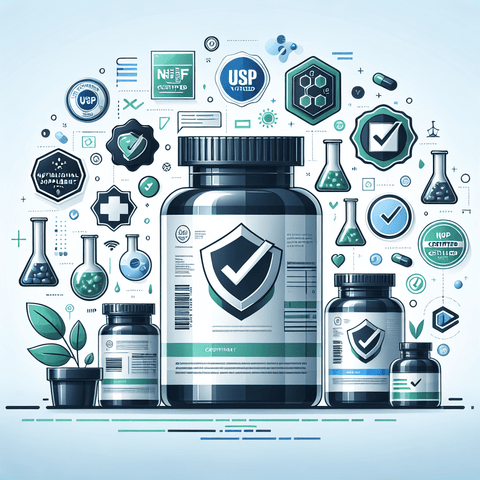
Navigating the world of dietary supplements can be challenging, especially when trying to identify which products are genuine and of high quality. The first and most important tool you have is the supplement label. This guide explains what a trusted supplement label looks like, the information it should contain, and how to use it to verify quality. This page provides a broad overview to help you understand the basics of label reading, so you can shop with greater confidence and make informed choices that align with your health and wellness goals.
What Are Trusted Supplement Labels?
A trusted supplement label is one that is transparent, complete, and easy to understand. It serves as a clear communication tool between the manufacturer and the consumer, outlining exactly what the product contains and how it is presented for sale. Instead of making you guess, a reliable label provides all the necessary details for you to assess the product’s transparency and traceability. It allows for easy comparison between different brands and products, helping you understand the ingredients and the overall purpose of the supplement.
A well-executed label does not use vague language or hide information. It presents facts in a straightforward manner, enabling you to make a more informed decision. This approach to labeling is a hallmark of a manufacturer that is confident in its product and committed to consumer transparency.
Key Elements to Look For on a Supplement Label
To quickly assess a label, you should know which elements are most important. These components provide the core information needed to evaluate a product. Look for these key elements when you examine a label:
- A 'Supplement Facts' panel with a clear serving size, the amount of each ingredient per serving, and percent daily values where applicable.
- A complete ingredient list that names all components, including those in proprietary blends.
- Clear allergen statements, such as 'contains milk,' 'soy,' or 'tree nuts.'
- The name and contact information for the manufacturer or distributor.
- A batch or lot number for traceability.
- An expiration date or 'best by' date.
You may also find additional useful information, such as the country of manufacture, storage recommendations, and logos from third-party testing organizations. Recognizing these elements helps you assess the level of transparency and traceability of a product.
Red Flags and Quick Checks for Impacted Labels
Being able to spot red flags is just as important as knowing what to look for. These warning signs can save you time and help you avoid products that may not be up to standard. Be cautious of labels that have:
- Incomplete ingredient lists or vague statements about a 'proprietary blend' without disclosing the amounts of specific ingredients.
- Missing batch numbers, expiration dates, or the manufacturer's contact information.
- A lack of third-party certification logos or unclear references to internal quality control processes that cannot be verified.
- Exaggerated claims, unusual promotional language, or promises of quick fixes that seem too good to be true.
When you notice any of these red flags, it is best to investigate further. Cross-referencing the label with the manufacturer's official website or contacting them directly can provide clarity.
How to Verify Legitimacy and Quality
Verifying a supplement involves a few simple steps that can help you choose authentic, high-quality products. The goal is to confirm that the information on the label is accurate and that the manufacturer follows good practices.
You can verify a product's legitimacy by:
- Cross-referencing the label with the manufacturer's official website to check batch codes and product-specific information.
- Looking for third-party verification logos from organizations such as USP (United States Pharmacopeia) or NSF Internation. Confirm these logos are current and applicable.
- Contacting the company directly to request documentation, such as a Certificate of Analysis (COA), especially if any information on the label seems unclear.
When you shop, choose retailers with clear labeling practices and reasonable return policies. This extra level of diligence supports your effort to rely on trusted supplement labels.
Beyond the Label: Understanding the Broader Supplement Landscape
While reading a label is essential, it is also helpful to have a general understanding of the supplement landscape. This includes knowing that different types of supplements have different use cases and regulatory considerations. For example, you might be interested in specific vitamins, minerals, or other supplement categories. Exploring these can help you be a more informed consumer.
You can begin by learning more about natural supplements to see the types of products available. If you are interested in more targeted nutrients, you could explore our guides on multivitamins or even specific ingredients.
By combining label-reading skills with a broader knowledge of different supplement types, you can navigate the market with greater confidence and make choices that are right for you.
Frequently Asked Questions About Supplement Labels
Here are some common questions people have about identifying trustworthy supplement brands and their labels.
How can I tell if a supplement company is legit?
A legitimate supplement company is typically transparent. They provide a complete and clear label, have a professional website with contact information, and are willing to provide third-party test results or certifications. Look for consistency between the label, the website, and any other materials. Checking with the manufacturer directly for a Certificate of Analysis is a good practice.
What is the most trustworthy supplement company?
There is no single company that is universally considered the 'most trustworthy,' as trust can be based on personal experience and specific needs. However, companies that value transparency, use third-party testing, and have a history of good manufacturing practices are generally considered more reliable. You can look for third-party accreditations like USP or NSF to guide your decision.
What makes one supplement company's products 'cleaner' than another?
The term 'clean' can refer to the absence of certain unneeded ingredients. This often means a product has fewer artificial colors, flavors, sweeteners, or unnecessary fillers. A company with 'cleaner' products usually has a shorter, more recognizable ingredient list and is transparent about its sourcing and manufacturing standards.