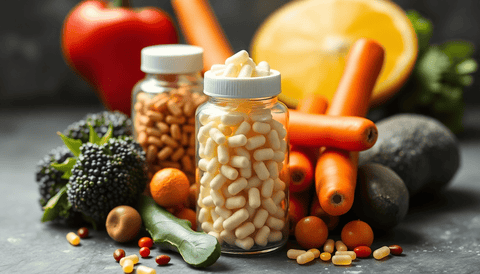
La vitamine D végétalienne est le sujet principal de ce guide basé sur les plantes, présentant comment ce nutriment apparaît dans un contexte végétalien. La page explique ce qu'est la vitamine D végétalienne, ses sources possibles dans un cadre végétalien, ainsi que la manière d'aborder une posologie sûre. L'objectif est de fournir des informations claires et neutres sur la vitamine D végétalienne, adaptées à un mode de vie végétalien. Les principales sources végétaliennes incluent les champignons exposés à la lumière et les produits enrichis à base de plantes tels que les alternatives au lait, les beurres végétaux et les céréales. Les compléments étiquetés comme vitamine D végétalienne proviennent souvent de sources non animales telles que les lichens ou les champignons. Cette section met en avant la variété d'options couramment associées à la vitamine D végétalienne, sans en faire la promotion d’un produit spécifique. La vitamine D végétalienne existe sous différentes formes, comme la D2 et la D3, la D3 végétalienne étant généralement extraite de lichens ou de champignons. Le choix de la forme et la méthode de production sont des éléments à considérer dans les produits de vitamine D végétalienne et lors de la fortification. Comprendre ces formes aide les lecteurs à comparer les options disponibles de manière neutre. Les considérations de posologie sûre pour la vitamine D végétalienne dépendent des recommandations régionales et des circonstances personnelles. La page encourage à consulter les directives officielles, à examiner l’étiquetage des produits, et à demander conseil à un professionnel de santé ou à un nutritionniste pour obtenir des informations personnalisées sur l’apport en vitamine D végétalienne. L’accent est mis sur des sources fiables et une réflexion prudente plutôt que sur des allégations de santé.
Vitamine D végétalienne : Le guide ultime basé sur les plantes pour les sources, les bienfaits et la posologie
Vegan vitamin D is an essential nutrient that supports bone, muscle, and immune health. For those following a plant-based lifestyle, getting enough vitamin D requires understanding which sources are truly vegan. This guide provides an overview of vegan vitamin D, explores its different forms, and offers practical advice on choosing a supplement. Whether you are new to vegan nutrition or looking to refine your supplement routine, this resource covers the key aspects of this important topic.
Understanding Vitamin D and Its Importance
Vitamin D is a fat-soluble vitamin that the body produces when the skin is exposed to sunlight. It plays a critical role in maintaining healthy bones by helping the body absorb calcium and phosphorus. In addition to its skeletal benefits, vitamin D is involved in supporting normal muscle function and a healthy immune system.
For many people, diet and sunlight alone may not be enough to maintain optimal levels, which is why supplementation is a common and practical approach. However, the source of the vitamin D in a supplement can vary, and for vegans, it is essential to choose a product that is not derived from animals.
Vegan Sources of Vitamin D
Vegans can obtain vitamin D from a variety of natural and fortified food sources. Understanding these options is the first step in managing your intake.
- UV-Exposed Mushrooms: Certain varieties, such as portobello and shiitake, can produce significant amounts of vitamin D2 when exposed to ultraviolet light.
- Fortified Foods: Many plant-based milk alternatives (like soy, oat, and almond milk), breakfast cereals, and vegan spreads are fortified with vitamin D2 or D3.
- Supplements: Vegan supplements are a reliable way to ensure consistent intake, with vitamin D3 derived from lichen being a popular choice.
While food sources can contribute to your overall intake, it can be challenging to meet daily requirements through diet alone. This makes supplements an important consideration for many people.
Vegan Vitamin D2 vs. D3: What's the Difference?
Vitamin D supplements come in two primary forms, and the distinction is particularly important for vegans.
- Vitamin D2 (Ergocalciferol): Derived from yeast or fungi. It is considered vegan-friendly and has been used in supplements and fortified foods for many years.
- Vitamin D3 (Cholecalciferol): The form most commonly used in supplements. Standard D3 is made from lanolin (sheep's wool), which is not vegan. However, a vegan form of D3 is now available, sourced from lichen.
When choosing a supplement, always check the label to confirm the source of the vitamin D. Products should clearly state whether they use lichen-based D3 or vegan D2.
Choosing a Vegan Vitamin D Supplement
Selecting the right supplement involves more than just confirming it is vegan. Here are key factors to consider to ensure you choose a product that suits your needs:
- Check the Source: Verify that the vitamin D is derived from lichen (for D3) or is explicitly labeled as vegan D2.
- Dosage: Products come in various strengths, commonly ranging from 400 IU to 2000 IU or higher per serving. Your ideal dosage depends on your individual needs and should be determined with the help of a healthcare provider.
- Form: Vegan vitamin D is available as softgels, tablets, capsules, and liquid drops. Choose the format that is most convenient for you.
- Additional Ingredients: Many vitamin D supplements are combined with vitamin K2 or are based on oils like olive or coconut oil to aid absorption. Review the full ingredient list for any non-vegan additives.
By considering these factors, you can make an informed choice that aligns with your dietary values and health goals. For more information on related nutrients, you might find our calcium collection helpful, as calcium and vitamin D work together to support bone health.
Safe Usage and Recommended Intake
Vitamin D is essential for good health, but it is a fat-soluble vitamin, meaning the body can store it. As such, it is possible to consume too much, which can be harmful. Recommended daily intakes vary by age, health status, and regional guidelines.
The best approach is to follow the guidance of national health authorities and to speak with a healthcare professional or registered dietitian. They can assess your individual needs, potentially through a blood test, and help you establish a safe and appropriate dosage. This is especially important if you are considering a high-dose supplement. For a detailed look at other vital nutrients and how they fit into a balanced diet, you can explore our multivitamins guide.
Frequently Asked Questions About Vegan Vitamin D
This section addresses common questions about vegan vitamin D to help clarify the topic.
How can vegans get vitamin D?
The two primary ways are through UV-exposed foods (like mushrooms) and fortified foods (like plant milks and cereals), as well as through supplements. For a reliable, concentrated dose, vegan supplements using lichen-derived D3 or vegan D2 are effective options.
What is the difference between vegan vitamin D and regular vitamin D?
The difference lies in the source. Regular vitamin D3 is typically made from lanolin derived from sheep's wool, which vegans avoid. Vegan vitamin D either uses vitamin D2, which comes from yeast, or vitamin D3 that is extracted from lichen. The chemical structure and function are the same, but the origin is plant-based.
Explore Related Supplement Topics
A balanced approach to nutrition often involves understanding several nutrients together. While vitamin D is crucial, it works alongside other vitamins, minerals, and micronutrients for overall health. For a broader perspective on supplements that can support your wellness journey, you can review our natural supplements collection.