Vérifiez les étiquettes des compléments : comment repérer les compléments plus sûrs


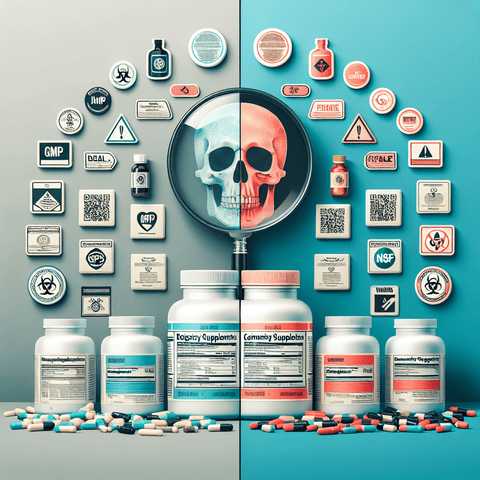
Apprenez comment vérifier les étiquettes des compléments, repérer les signaux d'alarme et choisir des compléments plus sûrs. Utilisez notre checklist pratique pour éviter les produits mal étiquetés ou dangereux. Ce guide se concentre sur des étapes simples et concrètes que vous pouvez suivre pour inspecter une étiquette, sans vous fier uniquement à la publicité. En vous concentrant sur les détails imprimés sur l'emballage, vous pouvez comparer les options de manière plus objective. Sur chaque étiquette, commencez par les éléments de base : le nom du produit, la quantité nette, ainsi que le nom et les coordonnées du fabricant ou du distributeur. Le panneau d’informations nutritionnelles doit clairement indiquer chaque ingrédient et sa quantité par portion, avec les ingrédients classés par ordre décroissant de poids. Méfiez-vous des termes vagues comme « mélange propriétaire » qui dissimulent les quantités d’ingrédients individuels. Vérifiez également la présence d’informations sur les allergènes, le pays d’origine et un numéro de lot ou de série. Recherchez des signes de crédibilité au-delà de ce qui est indiqué sur l’étiquette. Des certifications tierces (par exemple, USP ou NSF) et une déclaration explicite de conformité aux BPF (Bonnes Pratiques de Fabrication) peuvent vous aider à évaluer la fiabilité du contrôle qualité. Une étiquette réputée offrira aussi une manière simple de vérifier le produit auprès du certifiant ou du fabricant, comme un site web ou un numéro gratuit. Si l’étiquette manque d’informations ou utilise un langage incohérent, considérez cela comme un signal d’alarme et comparez-la avec d’autres produits offrant une étiquetage complet. Checklist pratique pour vérifier les étiquettes des compléments : vérifiez l’identité du produit et la quantité ; vérifiez la liste complète des ingrédients et leurs quantités par portion ; confirmez les coordonnées du fabricant et les options de contact ; examinez le numéro de lot et la date de péremption ; recherchez des certifications tierces ; assurez-vous qu’il n’y a pas de termes manquants ou ambigus ; et vérifiez la source via des canaux officiels. Si quelque chose ne semble pas clair, prenez une pause avant d’acheter et demandez des documents ou des précisions supplémentaires. Suivre ces étapes vous aide à vérifier les étiquettes des compléments et à éviter les produits mal étiquetés ou dangereux.


How Do I Avoid Counterfeit Supplements and Spot Fakes Online and In-Store - Topvitamine
28 August 2025
Les compléments alimentaires contrefaits peuvent être mal dosés, mal étiquetés ou contenir des substances non déclarées. Ce guide explique comment vérifier l’emballage, l’étiquette, le numéro de lot et le vendeur, notamment sur les places de marché. Vous découvrirez aussi quoi faire en cas de doute, comment limiter les risques et quels critères privilégier pour acheter des vitamines et minéraux auprès d’un circuit identifiable.

When you pick up a bottle of supplements, the label is your primary source of information about what is inside. Learning how to verify supplement labels helps you understand what you are taking, compare different products, and identify potential red flags. This guide explains the key components of a supplement label, what to look for, and how to evaluate quality markers. Whether you are new to supplements or simply want to become a more informed consumer, this overview provides a practical foundation for reading and understanding supplement packaging.

Key Components of a Supplement Label

A well-designed supplement label includes several essential pieces of information. Understanding each component helps you evaluate the product more completely. Here are the primary elements to look for when examining a supplement label:

  • Product name and brand information
  • Net quantity or amount of product in the container
  • Name and contact information of the manufacturer or distributor
  • Supplement facts panel with ingredient amounts per serving
  • Serving size and number of servings per container
  • Lot number or batch code for traceability
  • Expiration date or best-before date

Each of these elements serves a purpose. The supplement facts panel tells you what is in the product and how much of each ingredient is provided per serving. The manufacturer's contact details allow you to reach out with questions. The lot number and expiration date help with traceability and freshness. When these components are clear and complete, the label generally reflects a more transparent product.

Understanding the Supplement Facts Panel

The supplement facts panel is the most important section of any supplement label. It provides detailed information about the ingredients contained in the product and how much of each ingredient is present per serving. This panel allows you to compare products and understand exactly what you would be consuming.

Ingredient Amounts and Serving Size

The supplement facts panel lists the serving size, which tells you how much of the product is considered one serving, and the amount of each ingredient per serving. This information is essential for understanding how much of a particular nutrient or botanical you would receive if you followed the recommended serving instructions. Clear and specific ingredient amounts allow for easier comparison between products and give you a better sense of what you are taking.

When reviewing the supplement facts panel, pay attention to whether the amount of each ingredient is clearly stated. Some products may list ingredients in proprietary blends, which group multiple ingredients together under one combined amount. This makes it difficult to determine how much of each individual ingredient is included in the product. While proprietary blends are not necessarily problematic, they do reduce transparency.

Ingredient Order and Listing

Ingredients in the supplement facts panel are typically listed in descending order by weight. This means the ingredients present in the largest amounts appear first. Understanding this ordering helps you see which ingredients are most prominent in the product. For example, if a product lists a particular herb near the top of the list, that herb is likely present in a larger quantity than ingredients listed further down.

Quality Markers and Certifications to Look For

Beyond the basic information on a supplement label, several quality markers can provide additional confidence in a product. These markers indicate that the manufacturer has taken extra steps to ensure quality, purity, and transparency. When learning how to verify supplement labels, looking for these markers is a useful part of the process.

Third-Party Testing and Certification

Third-party testing involves an independent organization verifying that a product contains what its label claims and does not contain unwanted contaminants. Certifications from recognized third-party organizations can provide additional assurance about product quality. Common certifications you may encounter include those from organizations that test for purity, potency, and ingredient authenticity.

When a supplement label displays a third-party certification, it typically means the product has undergone voluntary testing by an independent organization. This can be a useful indicator of quality, but it is not the only factor to consider. The absence of a certification does not necessarily mean a product is poor quality, just as the presence of a certification does not guarantee the product is right for you.

GMP Compliance Statements

Good Manufacturing Practices, often referred to as GMP, are standards that help ensure products are consistently produced and controlled according to quality requirements. Some supplement labels may include a statement about GMP compliance, indicating that the manufacturer follows recognized manufacturing standards. While GMP compliance is an important baseline for quality, it is helpful to understand that many reputable manufacturers follow these practices even if they do not prominently display the statement on every label.

Red Flags on Supplement Labels

Not all supplement labels are created equal. Some labels may contain warning signs that suggest the product could be less transparent or lower quality. Recognizing these red flags is an important part of learning how to verify supplement labels effectively.

  • Vague ingredient descriptions that do not specify exact amounts or forms
  • Proprietary blends that obscure individual ingredient quantities
  • Missing contact information for the manufacturer or distributor
  • Absence of basic information such as lot numbers or expiration dates
  • Inconsistent or confusing labeling language
  • Unsupported or exaggerated marketing claims on the packaging

These red flags are not necessarily proof that a product is unsafe or ineffective. However, they may indicate that the manufacturer is not prioritizing transparency. When you encounter these signs, you may want to investigate further or consider products with more complete labeling.

Practical Checklist for Verifying Supplement Labels

Developing a habit of systematically reviewing supplement labels can help you make more consistent and confident decisions. The following checklist summarizes the key points to consider when evaluating a supplement label:

  • Check the product name and confirm it matches what you are looking for
  • Verify the net quantity to understand how much product you are purchasing
  • Review the supplement facts panel for ingredient amounts and serving size
  • Look for clear information about the manufacturer or distributor
  • Check for a lot number or batch code and an expiration date
  • Look for third-party certifications or GMP statements if these matter to you
  • Be cautious with vague ingredient lists or proprietary blends that lack transparency
  • Compare multiple products to see which labels provide the most complete information

If anything on a label is unclear or raises concerns, you can contact the manufacturer directly using the information on the packaging. You can also explore other products that provide clearer labeling. Taking the time to verify supplement labels before you purchase can help you feel more confident about the products you choose to incorporate into your routine.

Exploring Different Supplement Categories

Understanding supplement labels is a skill that applies across all types of supplements, including vitamins, minerals, herbal products, and specialty formulations. When you browse different supplement categories, you can apply the same label-reading principles to evaluate products consistently. For example, whether you are looking at a multivitamin, a magnesium supplement, or an herbal extract, checking the supplement facts panel and looking for quality markers remains important.

When exploring specific supplement types, you may want to learn more about the forms and sources of ingredients. For instance, some minerals like magnesium come in multiple forms, and the form used may affect how the product is described on the label. Similarly, different vitamins may be listed under different names or forms, so familiarizing yourself with common terminology can help you read labels more effectively.

You can explore our collection of natural supplements for a variety of products with detailed labeling. Additionally, you may find it helpful to review our guides on vitamin categories and mineral supplements to better understand the ingredients you see on labels.

If you are particularly interested in a specific nutrient, you may want to explore our articles on vitamin D, vitamin C, or magnesium to learn more about their roles and forms. These resources can help you become more familiar with the types of supplements available and the information that typically appears on their labels.

Using Label Information Responsibly

Supplement labels provide factual information about a product, but they are only one part of a broader decision-making process. It is important to remember that supplements are not intended to diagnose, treat, cure, or prevent any disease. The information on a supplement label helps you understand what is in the product so you can make an informed choice about whether it fits your needs and preferences.

If you have specific health concerns or are taking medications, it is always wise to consult with a healthcare professional before starting any new supplement. A healthcare provider can help you understand whether a particular supplement may be appropriate for your individual circumstances and can guide you on proper usage.

Learning how to verify supplement labels is a valuable skill that can help you become a more informed consumer. By understanding the key components of a label, recognizing quality markers, and identifying potential red flags, you can approach supplement shopping with greater confidence and clarity.