
La vitamine B12 pour l'énergie est un mot-clé fréquent pour les lecteurs qui s'intéressent à la vitalité quotidienne et à la manière dont ce sujet est abordé. Sur cette page, nous nous concentrons sur l'expression vitamine B12 pour l'énergie et expliquons comment elle tend à apparaître dans différents contextes, ce que recherchent les lecteurs, et comment l'information est généralement organisée autour de ce terme. Lorsque les gens rencontrent la phrase vitamine B12 pour l'énergie, ils cherchent souvent des explications claires et un contexte pratique. Ce contenu se focalise sur l'utilisation de ce terme, décrivant les manières courantes dont les sources abordent le sujet, les variations dans la présentation, et pourquoi cette expression est importante pour les lecteurs qui se préoccupent de leur vitalité quotidienne. Étant donné que ce sujet se trouve à l'intersection de la diffusion d'informations et des discussions axées sur la santé, cette page met l'accent sur l'évaluation des sources plutôt que sur la validation des affirmations. Vous trouverez des conseils pour vérifier les credentials des auteurs, les dates de publication, et l'objectif global du matériel lié à la vitamine B12 pour l'énergie. L’objectif est d’aider les lecteurs à aborder le sujet de manière réfléchie et informée. Les étapes pratiques pour explorer la vitamine B12 pour l’énergie aujourd’hui incluent : définir une question précise à laquelle vous souhaitez répondre ; identifier quelques sources crédibles et comparer leurs approches ; prendre de courtes notes pour résumer ce que vous apprenez, et y revenir si nécessaire. Si vous souhaitez approfondir, envisagez de contacter des professionnels qualifiés ou des références officielles pour obtenir des clarifications supplémentaires. Note : cette page est à titre informatif et ne constitue pas un conseil médical.
Vitamine B12 pour l'énergie : Boostez votre vitalité quotidienne dès maintenant
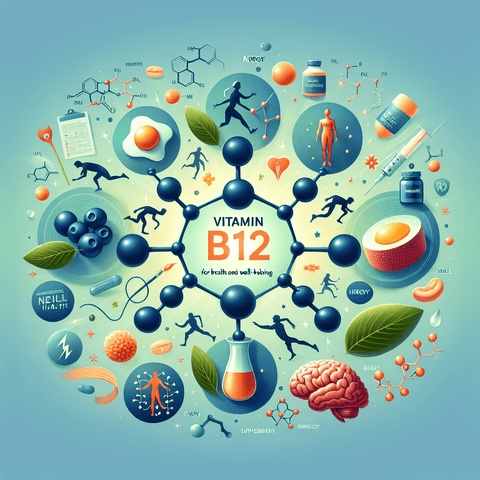
Vitamin B12 (cobalamin) is a water-soluble vitamin that is closely associated with energy and daily vitality. It contributes to normal energy-yielding metabolism and plays a role in the formation of red blood cells and the normal functioning of the nervous system. This tag page maps the broader topic of vitamin B12 for energy: what the vitamin is, why it is linked to energy, where it is found, when low levels may be relevant, how supplement forms differ, and which practical considerations matter most. More specific questions — such as individual forms, deficiency signs or medication questions — are explored in the dedicated articles collected under this tag.
What Is Vitamin B12?
Vitamin B12, also known as cobalamin, is one of eight B vitamins. It is water-soluble, and the body can store it for a considerable period, mainly in the liver. Unlike most other vitamins, it occurs naturally almost exclusively in foods of animal origin, which is why intake patterns differ noticeably between diets.
B12 is involved in several processes relevant to how energetic people feel. Among its recognized roles, it contributes to normal energy-yielding metabolism, normal red blood cell formation and the normal functioning of the nervous system. These roles are the foundation of the vitamin's strong association with the topic of energy.
Why Is Vitamin B12 Associated with Energy?
The link comes from B12's role in energy-yielding metabolism — the set of processes through which the body releases energy from food. Because of this role, vitamin B12 appears constantly in products and articles aimed at vitality and reducing tiredness.
The nuance is important. Contributing to normal energy metabolism is not the same as providing extra energy. For people whose B12 levels are already adequate, taking additional B12 is not generally expected to raise energy levels. Tiredness, however, is one of the signs commonly associated with low intake or poor absorption, which is why the vitamin and the subject of energy are so often discussed together.
Low Vitamin B12, Tiredness and When It May Matter
Because tiredness can have many different causes, a persistent lack of energy does not automatically point to low B12. Fatigue and weakness are among the signs commonly mentioned in connection with low B12 levels, and inadequate levels can also affect red blood cell formation and the nervous system. Such symptoms overlap with those of many other conditions, so they are not a reliable basis for self-diagnosis.
Some situations receive particular attention in discussions about B12 status: diets that include few or no animal-derived foods, older age, conditions or procedures that affect absorption, and the regular use of certain medications — including some long-term stomach acid reducers — which may influence how much B12 the body absorbs from food.
If you are frequently tired and wondering whether you should take B12, the most reliable first step is to discuss it with a doctor or pharmacist. They can help determine whether testing, dietary evaluation or another form of investigation is appropriate, rather than addressing low energy by guesswork.
Dietary Sources of Vitamin B12
Vitamin B12 is found naturally in a relatively specific set of foods:
- Meat and poultry
- Fish and seafood
- Eggs
- Milk, cheese and other dairy products
- Fortified foods, such as certain plant-based drinks, breakfast cereals and yeast extracts
People who eat few or no animal products often pay particular attention to fortified foods and supplements as practical ways to maintain their B12 intake. Because natural sources come almost entirely from animal-derived foods, the practical relevance of each source depends strongly on an individual's overall diet.
Vitamin B12 Supplements: Forms and Options
Common forms
Most B12 supplements use one of two well-known forms. Cyanocobalamin is a stable, widely used synthetic form found in many supplements and fortified foods. Methylcobalamin is a naturally occurring form that is also very popular. Other forms, such as hydroxocobalamin and adenosylcobalamin, appear less frequently, mainly in specific product types.
Choosing between forms
There is no single form of vitamin B12 that is universally regarded as the best choice for energy. The main forms all serve as usable sources of B12, and for everyday users the differences between them are often smaller than practical factors such as format, strength per serving and personal preference. Supplements are available as tablets, sublingual products, sprays and drops, and B12 is also a standard ingredient in many B-complex and multivitamin formulas.
If you want to compare options across the wider B-vitamin family, our vitamin B supplements collection gathers related products in one place, while our multivitamin supplements show how B12 fits into broader everyday formulas.
Vitamin B12 in Context: Other Nutrients Linked to Energy
Energy metabolism depends on more than one nutrient. Several other B vitamins, as well as minerals such as iron and magnesium, are also involved in processes associated with releasing energy from food and with reducing tiredness. This is one reason broad formulas are popular with readers looking at vitality more generally, and some readers also explore our magnesium supplements as part of that wider picture.
A cautious note: no single nutrient is a guaranteed answer to low energy. A varied, balanced diet remains the foundation, and supplements are designed to complement that foundation — not replace it.
Safety and Practical Considerations
Vitamin B12 is water-soluble, and amounts the body does not use are normally excreted. Supplements are generally well tolerated, but a higher dose is not automatically a better one — meeting your individual requirement is the goal, not maximizing intake.
A few practical points are worth keeping in mind:
- Official dietary reference values for B12 vary slightly by country and depend on factors such as age and life stage, including pregnancy and breastfeeding.
- Supplement strengths vary widely, so checking the label is more useful than assuming all products are equivalent.
- If you take prescription medication regularly or manage a health condition, discuss supplementation with a doctor or pharmacist first.
- Supplements are intended to complement a balanced diet and lifestyle, not to replace professional medical care.
Vitamin B12 and Energy: Frequently Asked Questions
Does taking vitamin B12 give you more energy?
Vitamin B12 contributes to normal energy-yielding metabolism, but supplements are not generally expected to raise energy levels in people whose B12 status is already adequate. Where intake or absorption is low, correcting that as part of professional guidance is what typically matters for how someone feels.
Should I take B12 if I'm always tired?
Tiredness has many possible causes, and B12 is only one of them. Rather than supplementing on the assumption that B12 must be the answer, it is sensible to speak with a healthcare professional who can assess whether testing, dietary changes or other investigation is appropriate.
Which vitamin B12 is best for energy?
No form of B12 has been shown to be specifically the best for energy. Cyanocobalamin and methylcobalamin are the most common forms in oral supplements, and the choice between them usually comes down to format, availability and personal preference.
Can you take B12 with Pepcid?
Some medications, including certain acid-reducing medicines such as famotidine (the active ingredient in Pepcid), may affect B12 absorption when used over the long term. That does not make the combination off limits, but anyone who takes such medication regularly should discuss B12 supplementation with a doctor or pharmacist before starting it.
Exploring Vitamin B12 Further
The articles collected under this tag go deeper into the individual questions within this topic — from comparing specific forms and understanding deficiency signs to how B12 fits into particular diets and daily routines. Start with the sections above for the broad picture, then follow the themes that match your situation. This page is for general information only and is not medical advice; for personal guidance, involve a qualified healthcare professional.