Soutien immunitaire à la vitamine C : Renforcez votre immunité dès aujourd'hui avec des conseils simples et efficaces


Support immunitaire à la vitamine C : Cette page se concentre sur le soutien immunitaire à la vitamine C comme cadre pour comprendre l’information, les routines et les conseils liés à la veille sur les sujets de santé au fil du temps. Elle met en avant des idées simples et pratiques — des routines faciles à intégrer, des stratégies pour identifier des sources crédibles, et des perspectives d’experts pour vous aider à naviguer face à l’évolution des recommandations. L’accent est mis sur la clarté et un contenu équilibré plutôt que sur une revendication unique, afin que vous puissiez former votre propre point de vue éclairé sur le soutien immunitaire à la vitamine C. Les routines simples pour le soutien immunitaire à la vitamine C mettent l’accent sur la cohérence et l’accessibilité. Pensez à de petites habitudes répétables, comme consacrer quelques minutes chaque jour pour consulter des sources de confiance, garder un fichier de notes avec les points clés, et utiliser des rappels pour revisiter votre plan d’information. Ces routines sont conçues pour s’intégrer dans un emploi du temps chargé et soutenir un engagement continu avec le sujet, sans vous pousser à changer brusquement vos habitudes. Les meilleures sources pour le soutien immunitaire à la vitamine C consistent à évaluer la fiabilité et la diversité de l’information. Recherchez des documents issus de recherches par des pairs, des recommandations officielles, des revues systématiques et des résumés professionnels. Apprenez à vérifier l’auteur, les dates de publication, la solidité des preuves et les éventuels conflits d’intérêt. Plutôt que de promouvoir un élément particulier, cette section vous aide à reconnaître les sources crédibles et à constituer votre propre bibliothèque liée au soutien immunitaire à la vitamine C. Les conseils d’experts pour une santé durable insistent sur une interprétation responsable et des conseils personnalisés. Consultez des professionnels qualifiés si nécessaire, suivez les mises à jour des organismes de santé ou des instances scientifiques reconnues, et pratiquez la pensée critique face à de nouvelles informations. Cette page vise à vous aider à accéder et à appliquer les perspectives d’experts concernant le soutien immunitaire à la vitamine C de manière réfléchie et mesurée, contribuant à une habitude d’information résiliente au fil du temps.


What is the healthiest immune support supplement? - Topvitamine
22 July 2026
What is the healthiest immune support supplement?There is no single best immune support supplement for everyone. The healthiest choice is determined by your own diet, lifestyle, and nutrient needs. This guide explains what immune support really means, the difference between boosting and supporting your immune system, and why a personalized approach always beats the latest trend.Key nutrients and ingredients to prioritize for immune healthEvidence-based ingredients like vitamin C, zinc, vitamin D, elderberry, and probiotics each play specific roles in normal immune function. We break down what each nutrient does, who may need it, and how to evaluate a supplement label for dosage, quality, and transparency.A step-by-step framework for choosing your supplementFollow a clear process: audit your diet and sun exposure, prioritize evidence over hype, check forms and dosages, and never skip a safety review for medication interactions. The healthiest supplement for you addresses a real gap, fits your tolerances, and earns your trust through third-party testing—not bold marketing claims.
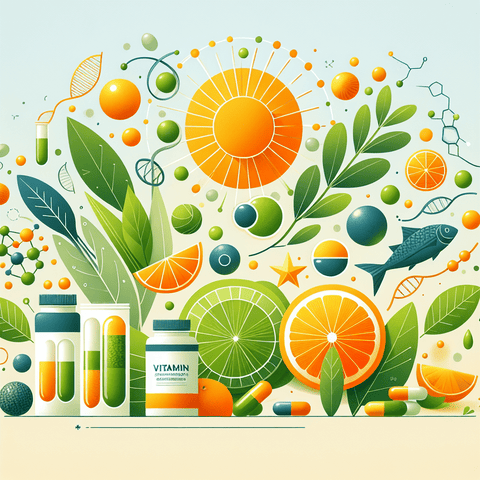
Which is better, vitamin D or C? - Topvitamine
13 October 2025
La vitamine D et la vitamine C sont toutes deux importantes, mais elles ne répondent pas aux mêmes besoins. La vitamine D intervient notamment dans l’utilisation du calcium et le fonctionnement normal du système immunitaire, tandis que la vitamine C contribue au collagène, à la protection des cellules et à l’absorption du fer. Découvrez leurs différences, les apports généraux, les limites des fortes doses et les critères pour choisir un complément.
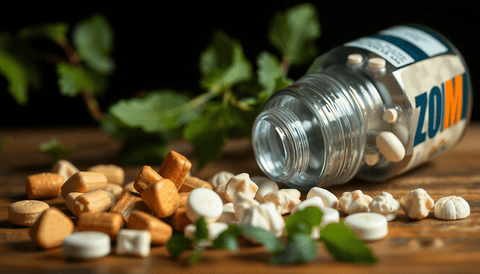
Zinc vs. Vitamin C: Choosing the Best Immune Supplement | Topvitamine - Topvitamine
06 July 2025
Le zinc ou la vitamine C peuvent contribuer au fonctionnement normal du système immunitaire, mais ils ne jouent pas exactement le même rôle. Ce guide compare leurs fonctions, leurs sources, les formes courantes de zinc, les précautions d’emploi et les critères à vérifier avant l’achat. Il explique aussi s’il est possible de les prendre ensemble et répond aux questions sur le meilleur zinc et la prise quotidienne.

Vitamin C is one of the most well-known nutrients, often associated with supporting the immune system. This page serves as a comprehensive hub for understanding vitamin C's role in immune health, its food sources, supplement options, and the broader context of a healthy lifestyle. Here, we map out the essential information you need, providing a foundation for exploring more specific topics in greater depth.

What Is Vitamin C and Why Is It Important?

Vitamin C, also known as ascorbic acid, is an essential water-soluble vitamin. This means the body cannot produce it on its own, so it must be obtained through diet or supplementation. It plays a vital role in various bodily functions beyond immune support, including the formation of collagen, the absorption of iron, and the maintenance of healthy skin, bones, and blood vessels.

As a powerful antioxidant, vitamin C helps protect cells from damage caused by free radicals—unstable molecules that can contribute to oxidative stress. This antioxidant activity is a key reason why the nutrient is considered important for overall health and well-being, complementing its more specific role in supporting the normal function of the immune system.

Vitamin C and Its Role in Immune Health

Vitamin C contributes to immune defense in multiple ways. It supports the production and function of white blood cells, which are crucial for fighting off infections. Additionally, as an antioxidant, it helps protect these immune cells from damage. While adequate vitamin C is essential for a healthy immune response, it's important to note that taking high doses does not prevent colds, though some research suggests it may slightly reduce the duration of a cold.

The relationship between vitamin C and immunity is complex and involves various pathways. For most people, maintaining a consistent, adequate intake is more beneficial than occasionally consuming very high doses. This approach supports the body's daily needs and helps ensure the immune system has the resources it requires to function effectively as part of an overall healthy lifestyle.

Dietary Sources of Vitamin C

A diet rich in fruits and vegetables is the best way to ensure an adequate intake of vitamin C. Many foods are naturally high in this nutrient, making it relatively easy to meet daily recommendations through nutrition alone.

Excellent sources include:

  • Citrus fruits such as oranges, grapefruits, and lemons
  • Berries like strawberries, raspberries, and blueberries
  • Kiwi fruit
  • Bell peppers, particularly red and green varieties
  • Cruciferous vegetables like broccoli, Brussels sprouts, and cauliflower
  • Leafy greens such as spinach and kale
  • Tomatoes and tomato juice

Cooking methods can affect vitamin C content, as it is sensitive to heat and water. To preserve nutrients, consider steaming or lightly cooking vegetables rather than boiling them, and enjoy raw fruits and vegetables whenever possible.

Understanding Vitamin C Supplements

Supplements can be a practical way to support your vitamin C intake, especially for individuals with dietary restrictions or increased needs. They are available in a variety of forms, each with its own characteristics.

Common Forms of Vitamin C Supplements

The most common form is ascorbic acid, which is highly effective and affordable. Other forms include mineral ascorbates, such as sodium ascorbate or calcium ascorbate, which are less acidic and may be gentler on the stomach. There are also time-release formulas designed to release the vitamin slowly over several hours.

When choosing a supplement, consider factors such as your personal tolerance, the form of vitamin C, and the presence of additional ingredients. It is always a good idea to speak with a healthcare professional for personalized advice, especially if you are considering higher doses or have specific health concerns.

For those interested in exploring Vitamin C products, you can browse the vitamin C collection for a range of options. A well-rounded approach to wellness may also include other essential nutrients; exploring a guide to multivitamins can help you understand how different vitamins work together.

Practical Considerations for Supplementation

When incorporating any supplement into your routine, it is important to do so thoughtfully. Here are some general points to consider:

  • Aim for a balanced diet first, using supplements to fill gaps rather than replace food.
  • Follow the dosage instructions on the product label unless advised otherwise by a healthcare professional.
  • Be aware that very high doses of vitamin C may cause digestive discomfort for some people.
  • Inform your doctor about all supplements you are taking, especially if you have existing health conditions.

The broader context of immune health includes other micronutrients and lifestyle factors. For example, a guide to mineral supplements can provide insight into how minerals like zinc and selenium also play a role in supporting the immune system.

Building a Holistic Immune Support Routine

Vitamin C is just one piece of the puzzle when it comes to immune health. A truly effective approach is holistic, integrating good nutrition with other healthy habits. This includes regular physical activity, managing stress, getting enough quality sleep, and staying hydrated. These factors work together to strengthen the body's natural defenses.

Instead of seeking a 'magic bullet', focus on building a sustainable routine that supports your overall well-being. This page provides a foundation for understanding vitamin C's role within this larger framework. For more specific questions, such as the best form of vitamin C for your needs or how it interacts with other nutrients, we encourage you to explore the related articles listed on this page.