Remèdes pour la carence en vitamine D : 7 méthodes simples et sûres pour augmenter vos niveaux dès maintenant


Trouverez-vous des difficultés avec une faible vitamine D ? Vous n’êtes pas seul. Cette page sur les remèdes contre la carence en vitamine D propose sept approches simples et sûres que vous pouvez explorer dès aujourd’hui. L’accent est mis sur les stratégies d’exposition au soleil et les compléments pratiques que vous pouvez commencer sans changements majeurs. Nous maintenons des conseils clairs, neutres et axés sur les options plutôt que sur des revendications concernant des résultats spécifiques. Voici la première série de remèdes pour la carence en vitamine D à considérer : Étape 1 : Exposition au soleil en toute sécurité — passer un court moment à l’extérieur pendant les heures de journée, en veillant à éviter l’intensité maximale du soleil. Étape 2 : Compléments pratiques — si vous choisissez d’utiliser des compléments, suivre les instructions sur l’étiquette et consulter un professionnel de santé si nécessaire. Étape 3 : Établir une routine quotidienne de lumière du jour — essayer d’inclure régulièrement des moments à l’extérieur ou sous une lumière vive à des heures similaires chaque jour. Poursuivez avec les remèdes contre la carence en vitamine D : Étape 4 : Optimisez votre environnement — là où vous vivez ou travaillez, recherchez des opportunités d’augmenter l’exposition à la lumière naturelle. Étape 5 : Combinez une activité en plein air avec votre emploi du temps, en équilibrant régularité et sécurité. Étape 6 : Consultez un professionnel de la santé pour discuter de votre situation et de toute considération concernant votre statut en vitamine D. Étape 7 : Surveillez vos routines — tenir un journal simple peut vous aider à rester sur la bonne voie et à repérer les tendances au fil du temps. Parce que chaque personne est différente, les remèdes contre la carence en vitamine D doivent être adaptés à votre situation. Si vous avez des inquiétudes, ou si vous avez des conditions ou des médicaments qui affectent votre vitamine D, consultez un professionnel pour des conseils individualisés. Cette page vise à fournir des idées pratiques, sans focalisation sur l’alimentation, que vous pouvez commencer dès maintenant et revoir selon vos besoins.


How to increase vitamin D quickly? - Topvitamine
28 October 2025
Pour augmenter rapidement la vitamine D, commencez par vérifier votre statut avec un professionnel de santé si une carence est suspectée. L’exposition solaire prudente, les aliments enrichis ou naturellement riches en vitamine D et un complément adapté peuvent contribuer à améliorer les apports. La vitamine D3 est souvent privilégiée, mais les fortes doses, les traitements comme le diltiazem et les maladies rénales nécessitent un avis médical.

How to quickly boost vitamin D? - Topvitamine
25 October 2025
Pour augmenter rapidement la vitamine D, il faut d’abord distinguer une simple optimisation d’une carence confirmée. L’exposition prudente au soleil, les aliments riches en vitamine D et un supplément adapté peuvent contribuer à améliorer les apports. Les résultats varient selon la saison, le phototype, l’âge et l’état de santé. En cas de doute, une analyse sanguine et l’avis d’un professionnel de santé sont préférables, surtout avant une dose élevée.
How to quickly raise your vitamin D levels? - Topvitamine
24 October 2025
Pour augmenter rapidement son taux de vitamine D, la première étape consiste à confirmer une insuffisance par un dosage sanguin. La vitamine D3, prise régulièrement avec un repas contenant des matières grasses, peut être utile selon les besoins. L’alimentation et l’exposition au soleil complètent la démarche, mais les fortes doses, les médicaments et certaines maladies nécessitent l’avis d’un professionnel de santé.

Vitamin D deficiency remedies cover a broad set of approaches that people use to help support healthier vitamin D levels. Vitamin D plays a role in normal bone, muscle and immune function, so when levels are low, it can be worth understanding the available options. This page is a topical hub: it maps out the main remedy categories, explains how they differ, and points to further reading. It does not replace personalised advice from a healthcare professional.

What Vitamin D Deficiency Remedies Usually Involve

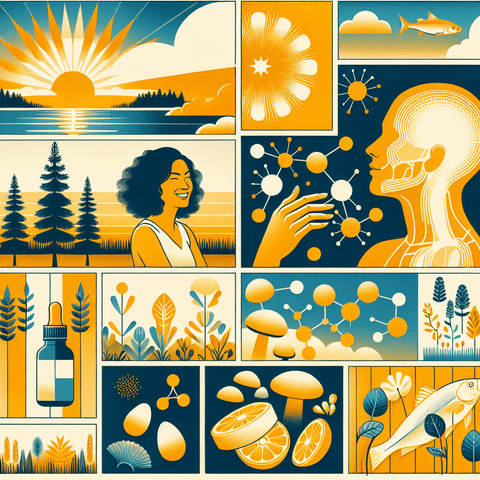
In practice, vitamin D deficiency remedies tend to fall into three broad groups. The first is sunlight exposure, because the body can produce vitamin D in the skin when exposed to ultraviolet B rays. The second is food and fortified products, which can contribute to intake but rarely supply large amounts on their own. The third is vitamin D supplements, which are available in different forms and strengths.

Each group has different practical considerations. Sunlight depends on season, time of day, latitude, skin tone and how much skin is exposed. Food sources depend on dietary patterns and whether products are fortified. Supplements depend on the specific form, dose and duration discussed with a clinician. Because of this, remedies are usually considered together rather than as isolated fixes.

Sunlight Exposure as a Vitamin D Remedy

Sensible sunlight exposure is often the first remedy people think about. The body can make vitamin D when the skin is exposed to UVB rays, but the amount produced varies widely between individuals and situations. Shorter exposures, avoiding peak sun intensity, and protecting the skin from burning are common practical themes.

Sunlight alone may not be enough for everyone, particularly in winter months, at higher latitudes, or for people who spend most of the day indoors. It is also important to balance any sun exposure with skin safety guidance. Readers who want to explore this dimension further can find related context in the vitamin D benefits, sources and safety category.

Food and Drinks That May Support Vitamin D Intake

Diet is another dimension of vitamin D deficiency remedies. Some foods naturally contain vitamin D, while others are fortified. Oily fish, egg yolks and certain mushrooms are often mentioned, and fortified products such as some dairy alternatives, cereals and juices can also contribute. Drinks high in vitamin D are usually fortified drinks rather than natural sources.

Food sources are useful for general nutritional support, but they may not be enough on their own to correct a diagnosed deficiency. They are best viewed as part of a broader approach alongside other remedies and clinical guidance.

Vitamin D Supplements: Forms and General Considerations

Vitamin D supplements are a common remedy category because they can provide a consistent amount of vitamin D. The two main forms are vitamin D2 and vitamin D3. Both can support vitamin D status, and the choice between them is often a matter for a clinician, especially when higher doses are being considered.

Dosage and duration are important practical considerations. Some people use a higher-dose correction phase followed by a lower maintenance dose, but this should be discussed with a healthcare professional because individual needs differ. Readers looking for related product and ingredient context can explore the vitamin D benefits, sources and safety collection, and those considering broader nutritional support may also find the multivitamins guide useful.

Vitamin D2 vs. Vitamin D3

Vitamin D2 is often derived from plant sources, while vitamin D3 is commonly derived from animal sources, though vegan versions exist. Some research suggests D3 may raise blood levels more effectively, but the most suitable form depends on individual factors. This is a common question that is often covered in more depth in dedicated articles.

Comparing Remedies: Supplements, Sunlight and Diet

There is no single remedy that is best for everyone. Sunlight is natural but variable and can be limited by season, location and skin safety considerations. Diet is supportive but may not provide enough vitamin D on its own. Supplements offer a more controlled amount but require attention to dose, form and duration.

Many people combine approaches. For example, someone might review sunlight habits and dietary intake while also discussing a supplement with a clinician. The right balance depends on individual circumstances, and a healthcare professional can help tailor the approach.

Monitoring, Interactions and Maintenance

After any correction phase, monitoring and maintenance are often part of the longer-term plan. Vitamin D status can be checked with a blood test, and a clinician can advise on how often to recheck. Maintenance may involve continuing a lower-dose supplement, adjusting lifestyle habits or both.

Interactions are another important consideration. Some medications can affect vitamin D metabolism or absorption, so it is worth discussing any medicines with a healthcare professional before starting or changing a supplement. This is a broad safety theme rather than a substitute for personalised advice.

Important Safety and Practical Considerations

Vitamin D deficiency remedies are not one-size-fits-all. Factors such as age, skin tone, geographic location, diet, health conditions and medications can all influence what is appropriate. High-dose supplements should generally be used under clinical guidance, and anyone with concerns about their vitamin D status should seek individual advice.

This page provides general educational information and does not diagnose or treat any condition. If you have symptoms or health concerns, consult a healthcare professional.

Exploring Related Topics

Vitamin D deficiency remedies connect to several broader topics, including vitamin D sources, supplement forms, nutritional support and safety considerations. Readers who want to go deeper can explore the vitamin D benefits, sources and safety collection, the multivitamins guide, and the natural supplements collection for related product categories.

Individual blog articles associated with this tag cover more specific questions, such as the fastest ways to address a deficiency, dosage discussions, supplement comparisons, and potential interactions. This tag page provides the map; the articles provide the deep dives.