
La vitamine D générée par l'exposition au soleil façonne le paysage hormonal de votre corps. Cette page explore les effets hormonaux de la vitamine D et comment la production par la lumière du soleil dans la peau peut servir de signal à plusieurs systèmes endocriniens. Le récepteur de la vitamine D (VDR) est largement distribué, présent dans des cellules à travers le cerveau, les os et les tissus glandulaires, ce qui signifie qu'un seul signal peut influencer l'expression génétique dans différents contextes. En examinant la science derrière la synthèse, la signalisation du récepteur et la régulation génétique, vous pouvez mieux comprendre comment la lumière, la chimie de la peau et les hormones interagissent. En termes simples, cet interplay peut influencer l'humeur, l'énergie et l'équilibre à travers des voies interconnectées, même si les résultats précis dépendent de nombreux facteurs. Au niveau moléculaire, la vitamine D agit en se liant au récepteur de la vitamine D, un facteur de transcription qui s'associe à d'autres protéines pour réguler les gènes cibles. La signalisation du VDR croise avec les tissus impliqués dans la régulation endocrinienne, y compris les composants de l'axe calcique-phosphore et les réseaux hormonaux plus vastes. Parce que ces voies touchent l'hypothalamus et l'hypophyse, elles peuvent influencer la circulation des signaux à travers le système hormonal du corps. La recherche en cours cartographie la portée des effets hormonaux de la vitamine D à travers les organes, soulignant comment un signal provoqué par le soleil peut se connecter à la régulation circadienne et métabolique. Les étapes pratiques pour explorer aujourd'hui se concentrent sur la façon dont vous structurez votre exposition à la lumière et à vos rythmes quotidiens. Commencez par passer du temps à l'extérieur en plein jour durant les heures de matin ou de midi pour bénéficier des repères lumineux naturels. Maintenez un horaire de sommeil et d'éveil régulier, et détendez-vous avec une lumière tamisée le soir pour soutenir une synchronisation cohérente des signaux. Limitez la luminosité des écrans tard le soir et privilégiez une transition calme vers le repos. Intégrez une activité régulière et du temps à l'extérieur selon les circonstances afin d'observer comment le rythme et la lumière du jour s'harmonisent avec votre routine. La science autour des effets hormonaux de la vitamine D continue d'évoluer, avec des chercheurs étudiant comment la production de vitamine D par le soleil se relie à une signalisation hormonale plus large. Cette perspective invite à la curiosité sur la façon dont votre environnement lumineux quotidien peut influencer l'équilibre endocrinien, sans réduire une relation complexe à une seule outcome. Si vous envisagez des changements impliquant l'exposition au soleil ou le moment de vos activités quotidiennes, il peut être utile de consulter des professionnels pouvant adapter leurs conseils à votre contexte.
Vitamine D et effets hormonaux : comment le soleil régule vos hormones
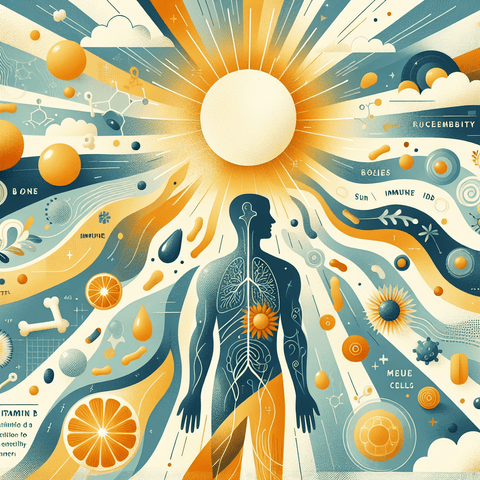
Vitamin D is often called the sunshine vitamin because the body can make it in the skin when exposed to ultraviolet B light. Once produced or absorbed from food and supplements, it is converted into a hormone-like molecule that helps regulate calcium, phosphate and many other processes. The vitamin D receptor is found in a wide range of cells, including those in the brain, bone, immune system and endocrine glands. This broad distribution is why researchers study vitamin D hormonal effects across many areas, from bone health to reproductive health and stress responses.
This tag page provides a broad overview of the topic. It explains how vitamin D works at a high level, introduces the main hormonal systems that may be involved, and highlights practical and safety considerations. More specific questions, such as whether vitamin D increases estrogen in females, how it might affect cortisol levels, or what interactions exist with medications like diltiazem, are explored in separate articles linked from this page.
How Vitamin D Works in the Body
Vitamin D from sun exposure or diet is biologically inactive until it undergoes two conversions, first in the liver and then in the kidneys. The resulting active form, calcitriol, binds to the vitamin D receptor (VDR). VDR is a transcription factor, meaning it helps turn certain genes on or off. This mechanism allows vitamin D to influence gene expression in many tissues, including those involved in hormonal regulation.
Because VDR is present in the hypothalamus and pituitary, which are key control centres for many hormones, vitamin D may influence hormonal signalling indirectly. It also interacts with the calcium-phosphate axis, which is important for bone, muscle and nerve function. These pathways help explain why vitamin D is considered a prohormone rather than just a vitamin.
Vitamin D and Hormonal Balance: Main Areas of Research
Scientists have explored how vitamin D status relates to several hormonal systems. The evidence is often preliminary or mixed, and it does not mean that vitamin D directly controls any single hormone. Instead, it appears to support normal endocrine function as part of a broader network.
Estrogen and Progesterone
Some studies have looked at vitamin D and reproductive hormones, including estrogen and progesterone. Vitamin D receptors are found in ovarian tissue and other parts of the reproductive system. Research suggests that vitamin D may influence the production or action of these hormones, but the exact relationship is complex and can vary by individual. It is not accurate to say that vitamin D simply increases estrogen in all women; more research is needed to understand the nuances.
Cortisol and Stress Response
Cortisol is a hormone produced by the adrenal glands that helps the body respond to stress. Some research has examined whether vitamin D status is associated with cortisol levels, but findings are not consistent. Vitamin D may play a role in modulating the stress response indirectly, but it is not a direct cortisol controller. Lifestyle factors such as sleep, exercise and stress management remain central.
Other Hormonal Systems
Vitamin D also interacts with the parathyroid hormone, which regulates calcium balance, and may influence insulin sensitivity and thyroid function. These areas are active research topics, and the picture is not yet complete. What is clear is that vitamin D is part of a complex web of signals that help the body maintain homeostasis.
Sources of Vitamin D and Practical Considerations
The main natural source of vitamin D is sunlight. When UVB rays hit the skin, they trigger vitamin D synthesis. However, factors such as latitude, season, time of day, skin pigmentation, age and sunscreen use can affect how much is produced. Dietary sources include fatty fish, egg yolks, and fortified foods, but it is difficult to get enough from food alone for many people.
Supplements are a common way to support vitamin D status, especially in winter or for people with limited sun exposure. Vitamin D is available as D2 (ergocalciferol) and D3 (cholecalciferol). D3 is generally considered more effective at raising blood levels, but both can be used. Dosage should be based on individual needs and ideally guided by a healthcare professional, as too much vitamin D can be harmful.
Vitamin D Toxicity: Signs to Be Aware Of
Vitamin D toxicity is rare and usually occurs from taking very high doses of supplements over time, not from sun exposure. Because vitamin D increases calcium absorption, excessive levels can lead to high blood calcium. Possible signs may include nausea, vomiting, weakness, frequent urination, and kidney problems. If you suspect you are taking too much vitamin D, speak to a healthcare professional.
Interactions with Medications
Some medications can interact with vitamin D or affect its metabolism. For example, diltiazem, a calcium channel blocker used for high blood pressure and other conditions, may influence calcium handling. If you take prescription medication, always check with your doctor or pharmacist before adding or changing vitamin D supplements. This page does not provide personalised medical advice.
Understanding Different Forms of Vitamin D
Vitamin D supplements come in several forms. The two main types are D2 and D3. D3 is structurally similar to the vitamin D your skin produces and may raise blood levels more effectively. Some supplements combine vitamin D with calcium or other nutrients like magnesium or vitamin K, which also play roles in bone health. If you are exploring options, you can browse our vitamin D benefits, sources and safety category for related products and guides.
Exploring the Topic Further
This tag page is designed to give you a broad map of vitamin D and its hormonal effects. The articles linked below dive into specific questions, such as whether vitamin D increases estrogen in females, how it might relate to cortisol, what the signs of too much vitamin D are, and whether it interacts with diltiazem. For a broader look at how vitamin D fits with other nutrients, you may also explore our mineral supplements guide or our multivitamins guide. Always consult a qualified healthcare professional for advice tailored to your situation.