Sources de vitamine D : le guide ultime sur la lumière du soleil, les aliments et les suppléments


Les sources de vitamine D sont le sujet principal de cette page, offrant un aperçu qui se concentre sur le terme « sources de vitamine D ». Le Guide Ultime de la Lumière Solaire, des Aliments & des Suppléments indique une exploration des principales voies où ce nutriment est discuté, comprenant l’exposition naturelle, les produits enrichis et les options de suppléments. L’objectif est de fournir une analyse claire et neutre sur la façon dont les gens parlent des sources de vitamine D et quelles considérations accompagnent chaque catégorie. Les principales sources sont décrites de façon large : l’exposition liée au soleil comme un vecteur naturel, les produits enrichis contenant des nutriments ajoutés, et les suppléments indépendants conçus pour divers contextes. Cette section reste neutre, soulignant que ces catégories sont fréquemment évoquées dans les discussions sur les sources de vitamine D sans recommander un produit ou une dose spécifique. Les besoins quotidiens en vitamine D varient et dépendent de facteurs personnels et environnementaux. Cette page ne prescrit pas de chiffres universels ; elle souligne plutôt que les besoins quotidiens sont interprétés différemment selon les contextes. Les lecteurs sont encouragés à suivre les recommandations locales et à consulter des professionnels qualifiés pour un accompagnement personnalisé dans le choix des sources de vitamine D. Les conseils pratiques pour s’engager avec les sources de vitamine D mettent l’accent sur une évaluation attentive et une prise de décision sûre et éclairée. Vérifiez la crédibilité des sources, examinez toute information sur la sécurité ou l’étiquetage, et abordez toute recommandation avec une conscience de votre situation personnelle. L’objectif est de doter les lecteurs d’une compréhension équilibrée des sources de vitamine D et de les aider à aborder ce sujet avec clarté et prudence.


Is it better to take vitamin D or vitamin D3? - Topvitamine
02 March 2026
La vitamine D désigne plusieurs formes, principalement la D2 et la D3. La D3, ou cholécalciférol, est généralement privilégiée car elle augmente et maintient plus efficacement le taux sanguin de 25(OH)D. Ce guide explique les différences entre ces formes, les critères pour choisir un complément, la place éventuelle de la vitamine K2 et les précautions en cas de traitement ou de maladie chronique.
Which fruit is rich in vitamin D? - Topvitamine
09 December 2025
Quel fruit est riche en vitamine D ? En pratique, aucun fruit courant n’en apporte une quantité significative. Certains jus d’orange sont enrichis, tandis que les champignons exposés aux UV fournissent de la vitamine D2. Les poissons gras, les aliments enrichis et, selon les besoins, un complément constituent des sources plus pertinentes. Découvrez aussi les réponses concernant la banane, le diabète, les reins et les fractures.
What is the difference between Vitamin D and D3? - Topvitamine
22 November 2025
La vitamine D est un terme général qui regroupe notamment la vitamine D2 et la vitamine D3. La D3, ou cholécalciférol, est souvent privilégiée car elle augmente généralement plus efficacement le taux sanguin de vitamine D. Ce guide explique leurs différences, les aliments riches en vitamine D, les signes possibles d’un manque et les précautions liées aux compléments et aux médicaments.
What's the difference between vitamin D3 and vitamin D? - Topvitamine
28 October 2025
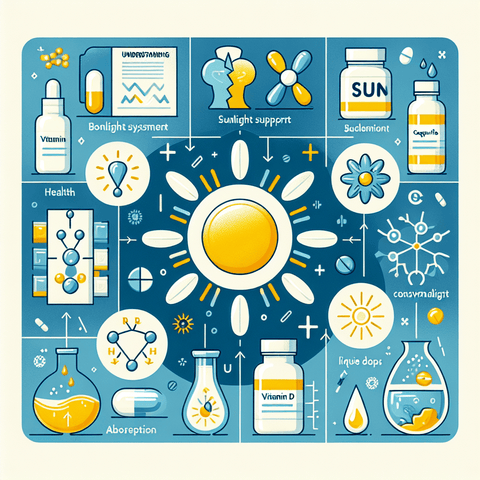
La vitamine D est un terme général qui regroupe notamment les vitamines D2 et D3. La D3, ou cholécalciférol, est généralement plus efficace que la D2 pour augmenter et maintenir le taux sanguin de vitamine D, mais le choix dépend de l’origine du produit, des besoins individuels et du dosage. Découvrez les sources, les symptômes possibles d’une carence et les précautions à connaître avant toute supplémentation.
What are 10 foods rich in vitamin D? - Topvitamine
13 October 2025
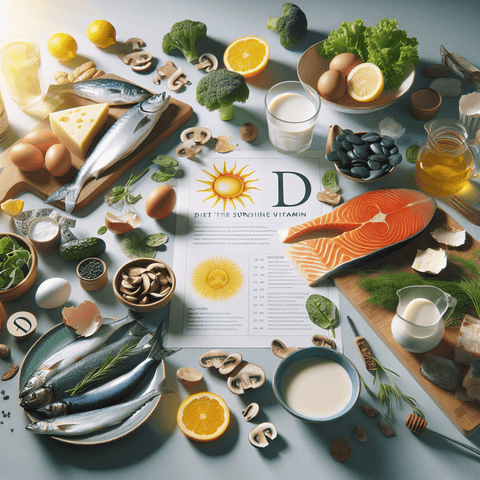
Les aliments riches en vitamine D sont surtout les poissons gras, certains fruits de mer, le jaune d’œuf et les champignons exposés aux UV. Les aliments enrichis, comme certaines boissons végétales, certains produits laitiers, céréales et jus, peuvent compléter les apports. Découvrez leurs teneurs variables, comment les intégrer à vos repas et dans quels cas demander conseil avant de choisir un complément de vitamine D.

What is the difference between vitamin D and vitamin D3? - Topvitamine
12 October 2025
La vitamine D désigne principalement deux formes : la D2 et la D3. Elles ont des sources et une efficacité différentes pour augmenter le taux de vitamine D dans le sang, la D3 étant généralement privilégiée. Cet article explique leurs rôles, les aliments riches en vitamine D, les signes possibles de carence, les repères de dosage et les précautions, notamment en cas de traitement par le diltiazem.

Vitamin D is one of the few nutrients the human body can produce itself, which makes the topic of vitamin D sources unusually interesting. Sunlight, food and supplements all play a part, and each works in a different way. This page provides a broad overview of the main vitamin D sources, the practical considerations attached to each one, and the context needed to make sense of the more specific articles associated with this tag.

Many people look into this topic because vitamin D intake varies widely between individuals. Diet, lifestyle, geographic location and the season all influence how much vitamin D a person is exposed to, and no single source suits everyone. Understanding the full map of options makes it easier to have an informed conversation with a healthcare professional about personal circumstances.

What Is Vitamin D?

Vitamin D is a fat-soluble nutrient that the body can make in the skin when it is exposed to ultraviolet B (UVB) rays in sunlight. For this reason it is often called the “sunshine vitamin”. It is also one of the most widely discussed nutrients in public health guidance, and it is frequently mentioned alongside calcium, as the two nutrients are commonly considered together in the context of bone health. Readers researching both nutrients can browse our calcium supplements category as a natural starting point.

Sunlight: The Natural Vitamin D Source

When UVB sunlight reaches the skin, the body begins the process that produces vitamin D. This is why sunlight is usually described as the primary natural source, and why vitamin D levels are often discussed in relation to season and geography. The amount of vitamin D the skin can produce is not fixed; it depends on a range of personal and environmental factors:

  • Season and time of year, with production generally lower during winter at higher latitudes
  • Time of day, as UVB intensity changes throughout the day
  • Latitude and local climate
  • Skin tone, which affects how skin responds to UVB exposure
  • Age, as vitamin D production in the skin is often described as changing over a lifetime
  • Time spent outdoors and how much skin is exposed
  • Use of sunscreen, clothing and shade, all of which limit the UVB that reaches the skin

Because these factors interact in complex ways, no universal amount of sun exposure can be recommended for vitamin D purposes. Skin-safety guidance should always take priority, since prolonged, unprotected exposure increases the risk of skin damage. Anyone trying to balance vitamin D production with skin protection is best served by following the sun-safety advice published by their national health authorities.

Food Sources of Vitamin D

Dietary vitamin D comes from two directions: foods that naturally contain the nutrient, and foods to which vitamin D has been added during manufacturing. Naturally rich sources are relatively limited compared with many other vitamins, which is one reason fortification exists and why vitamin D intake is a recurring theme in dietary guidance around the world.

Naturally Vitamin D-Rich Foods

The foods most commonly associated with natural vitamin D content include:

  • Oily fish such as salmon, mackerel, sardines and herring
  • Cod liver oil and other fish liver oils
  • Egg yolks
  • Liver and other organ meats
  • Certain mushrooms, particularly varieties grown or treated with ultraviolet light

The vitamin D content of these foods varies considerably depending on the species, farming method, season and preparation. Food composition tables and product labels are therefore the most reliable way to compare specific items.

Fortified Foods

In many countries, manufacturers add vitamin D to everyday staple products to help people increase their intake. Commonly fortified products include milk, plant-based drinks, yoghurt, margarine, spreads and breakfast cereals, although the exact list differs by country and brand. Because fortification is voluntary in many markets, two seemingly similar products can contain very different amounts, which makes label checking a useful habit for anyone relying on fortified foods as a regular vitamin D source.

Vitamin D Supplements

Supplements form the third broad source of vitamin D. They are available as standalone products, as part of multivitamin formulas and in combination products with other nutrients. The two main forms are vitamin D2 (ergocalciferol) and vitamin D3 (cholecalciferol), and products vary widely in strength and format. Anyone comparing options can explore our vitamin D supplements collection for an overview of the category, or browse our multivitamins range, as many multivitamin products include vitamin D among their ingredients.

Supplements are intended to complement, not replace, a varied diet and a balanced lifestyle. Labels, directions and formats differ between products, so reviewing the label and following the manufacturer's instructions is an important part of using any supplement sensibly.

Factors That Influence Vitamin D Needs

There is no single daily vitamin D intake that applies to everyone. Requirements are interpreted differently across countries and are shaped by personal circumstances. Factors that are commonly taken into account include:

  • Age and life stage
  • Body characteristics
  • Geographic location and seasonal sunlight availability
  • Typical time spent outdoors
  • Skin tone
  • Overall dietary pattern, including how often vitamin D-rich or fortified foods are eaten

National health authorities publish their own intake recommendations, and these can differ meaningfully from one country to another. For personal guidance, a doctor, pharmacist or registered dietitian can help interpret how these factors apply to an individual situation, including whether testing for vitamin D status is appropriate.

Safe and Sensible Use of Vitamin D Sources

Whichever sources you rely on, a few general habits support safe and informed decision-making:

  • Verify the credibility of any information source, including product labels and official guidance
  • Read supplement labels carefully, including ingredients, strength and usage directions
  • Check food labels when relying on fortified products, as amounts vary between brands
  • Be aware that supplements can interact with certain prescription medications

That last point deserves particular care. People who take prescription medication — including heart medicines such as diltiazem — are generally advised to speak with a doctor or pharmacist before adding a vitamin D supplement, because possible interactions are assessed on an individual basis. General educational pages like this one cannot replace that personalised advice. Anyone who suspects low vitamin D levels can also discuss testing with a healthcare professional rather than self-diagnosing a deficiency.

Frequently Asked Questions About Vitamin D Sources

Which foods are the highest in vitamin D?

Oily fish such as salmon, mackerel, sardines and herring are among the most commonly cited natural sources, alongside egg yolks, liver and UV-exposed mushrooms. Fortified products — including some milks, plant-based drinks, yoghurts, margarines and breakfast cereals — also contribute to intake in many countries. Exact values vary between products, so labels and official food composition data are the best reference points.

How can I raise my vitamin D levels naturally?

The natural levers are sensible time outdoors in line with local sun-safety guidance, plus eating more vitamin D-rich or fortified foods. How effective sunlight is depends on the personal and seasonal factors described above, which is one reason vitamin D is such a common topic in conversations with doctors. Anyone who suspects low levels should ask a healthcare professional about testing rather than adjusting sun exposure on their own.

Do I need a vitamin D supplement?

That depends on diet, lifestyle, location, season and personal circumstances. Some national authorities recommend vitamin D supplements for specific groups, such as during winter months or for people with limited sun exposure. A doctor, pharmacist or dietitian can help determine whether a supplement makes sense for you and, if so, which form and format to consider.

The articles associated with this tag explore individual aspects of vitamin D sources in more depth, from specific foods to seasonal considerations. Starting with the broad picture above makes it easier to place those detailed guides in context.