
Les vitamines pour prévenir le rhume sont un sujet pratique qui rassemble des conseils sur des doses sûres, les meilleures sources de vitamines et des astuces pour rester en bonne santé tout au long de la saison. Cette page sur les vitamines pour la prévention du rhume offre des informations neutres, basées sur des preuves, pour vous aider à planifier votre apport en vitamines en toute sécurité. Elle met l’accent sur des pratiques sûres et ne fait aucune revendication médicale précise ; pour des conseils personnalisés, consultez un professionnel de santé. Considérations sur la posologie sûre : Chez l’adulte, des plages de référence générales peuvent servir de points de départ. La vitamine C est souvent discutée avec une dose quotidienne d’environ 65 à 90 mg, tandis que la limite maximale tolérable est d’environ 2000 mg par jour. La vitamine D est souvent conseillée dans une fourchette de 600 à 800 UI par jour, avec une limite supérieure d’environ 4000 UI. La vitamine E est généralement fixée à environ 15 mg par jour, avec une UL de 1000 mg. La vitamine A doit être utilisée dans une fourchette d’environ 700 à 900 mcg RAE par jour, avec une UL proche de 3000 mcg. Les dosages peuvent varier selon l’âge, la grossesse, et les conditions de santé, et il est important de vérifier les étiquettes des produits. Consultez toujours un professionnel si vous avez des questions concernant la sécurité ou les interactions. Principales sources de vitamines : L’accent ici est mis sur les formes de suppléments et les options fortifiées plutôt que sur les aliments. Les sources courantes incluent des capsules ou softgels, des comprimés, des poudres ou des liquides pour des vitamines telles que D, C et B-complexe, ainsi que des produits enrichis qui ajoutent des vitamines à leur gamme. Lors de la sélection des produits, choisissez des marques réputées et vérifiez les informations des tests par des tiers. Si vous avez des restrictions ou préférences alimentaires, examinez l’étiquette pour connaître les valeurs quotidiennes totales et les instructions de dosage. Astuces pratiques pour rester en bonne santé toute la saison : Planifiez la répartition de vos apports, lisez les étiquettes et maintenez votre apport quotidien dans les limites recommandées. Envisagez de prendre les doses avec les repas pour favoriser la tolérance et l’absorption, et évitez les mégadoses inutiles. Vérifiez d’éventuelles interactions avec des médicaments ou des conditions médicales, et consultez un professionnel de santé avant d’apporter des changements importants si vous êtes enceinte, en période d’allaitement ou si vous gérez une maladie chronique. Conservez les produits en sécurité, à l’abri de la chaleur et de l’humidité, et réévaluez périodiquement votre plan de vitamines à mesure que les saisons changent.
Vitamines pour la prévention du rhume : Renforcez votre immunité et éloignez le rhume
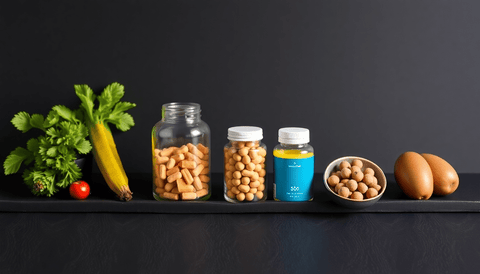
Vitamins for cold prevention are a popular topic, especially when the seasons change and respiratory illnesses become more common. The idea behind this approach is simple: by ensuring your body has the nutrients it needs, you can support your immune system's ability to respond to potential threats. While no vitamin can guarantee you won't catch a cold, certain nutrients play important roles in maintaining immune health. This guide provides a broad overview of the vitamins most often associated with cold prevention, their general roles, and practical considerations for incorporating them into your routine.
Below, we'll explore the key nutrients involved, what they do in the body, and how to think about them from both dietary and supplement perspectives. You'll also find practical tips for safe usage and guidance on how to approach supplementation responsibly.
What Do We Mean by Vitamins for Cold Prevention?
When people talk about vitamins for cold prevention, they're generally referring to nutrients that support the immune system. The immune system is a complex network of cells, tissues, and organs that work together to defend the body against harmful invaders, including viruses that cause colds. Certain vitamins are known to be involved in the proper functioning of this system, which is why they are often highlighted in discussions about seasonal wellness.
It's important to note that 'prevention' in this context doesn't mean a guarantee. Rather, it's about supporting the body's natural defenses so they can function optimally. Good nutrition is a foundational aspect of overall health, and that includes immune health. For most people, focusing on a balanced diet rich in fruits, vegetables, and other whole foods is the best starting point.
Key Vitamins for Immune Health
Several vitamins are frequently discussed in the context of immune support and cold prevention. Here's a closer look at some of the most commonly mentioned ones and their general roles in the body.
Vitamin C
Vitamin C is perhaps the most well-known vitamin associated with immune health. It is a water-soluble vitamin that acts as an antioxidant in the body. It contributes to immune defense by supporting various cellular functions of both the innate and adaptive immune system. Many people turn to vitamin C during cold season, either through diet or supplements, as a general support measure.
Vitamin D
Vitamin D is a fat-soluble vitamin that plays a role in many bodily functions, including immune health. It is unique in that the body can produce it in response to sunlight exposure, but it's also found in certain foods and supplements. Maintaining adequate vitamin D levels is considered important for overall health, and some research suggests it may play a role in respiratory health. During winter months, when sunlight exposure is limited, vitamin D often becomes a topic of discussion.
Vitamin A
Vitamin A is another fat-soluble vitamin that's important for immune function. It plays a role in maintaining the health of mucosal surfaces, like the lining of the respiratory tract, which act as a first line of defense against pathogens. It also supports the production and function of certain immune cells. Vitamin A can be found in foods like carrots, sweet potatoes, and leafy greens.
Vitamin E
Vitamin E is an antioxidant that helps protect cells from damage caused by free radicals. It's also involved in immune function. As a fat-soluble vitamin, it works alongside other antioxidants in the body. Nuts, seeds, and vegetable oils are good dietary sources of vitamin E.
B Vitamins
The B-vitamin complex includes several vitamins that play various roles in metabolism and overall health. Some B vitamins, like B6 and B12, are involved in immune function. They help support the production of red blood cells and the proper functioning of the nervous system, both of which contribute to overall well-being. B vitamins are found in a wide range of foods, including whole grains, meat, and legumes.
Dietary Sources vs. Supplements
When considering vitamins for cold prevention, the source matters. Ideally, you want to get your nutrients from whole foods as much as possible. Foods contain a complex mix of vitamins, minerals, and other beneficial compounds that work together in ways that supplements can't fully replicate.
- Vitamin C is abundant in citrus fruits, berries, kiwi, and bell peppers.
- Vitamin D is found in fatty fish, egg yolks, and fortified dairy products or plant-based milks.
- Vitamin A can be obtained from orange and yellow vegetables, leafy greens, and liver.
- Vitamin E is found in nuts, seeds, and vegetable oils.
Supplements can be useful for filling gaps in your diet or when you have specific needs that make it difficult to get enough from food alone. For example, if you live in a region with limited winter sunlight, a vitamin D supplement might be a practical consideration. If you're exploring supplement options, you might find it helpful to look at natural supplement collections to see what's available, but always review the labels carefully.
Safe Supplementation Considerations
If you're thinking about using supplements for cold prevention, it's essential to approach them with care. More is not necessarily better, and in fact, high doses of certain vitamins can be harmful. Here are some important points to keep in mind.
Understanding Dosages
For most vitamins, there are general reference ranges for adults. For example, vitamin C is commonly discussed with a daily amount around 65 to 90 mg, with a tolerable upper intake level of about 2000 mg per day. Vitamin D is often suggested in the range of 600 to 800 IU daily, with an upper limit around 4000 IU. These are general figures, and individual needs can vary. Always check product labels and consult these guidelines.
Fat-soluble vitamins like A, D, E, and K are stored in the body, so it's possible to accumulate too much over time. Water-soluble vitamins like C and the B vitamins are generally excreted in urine when taken in excess, but very high doses can still cause side effects. It's important to be aware of the total amount you're getting from all sources, including fortified foods.
Potential Interactions
Supplements can interact with medications or other supplements you may be taking. For example, vitamin K can affect blood thinners, and high doses of vitamin E might interact with blood-thinning medications as well. It's always a good idea to talk to your healthcare provider before starting any new supplement, especially if you're taking medications or have underlying health conditions.
Practical Tips for Seasonal Wellness
Beyond specific vitamins, there are several practical strategies that support your overall wellness throughout cold season. These habits work alongside nutrition to help your immune system function at its best.
- Wash your hands frequently to reduce the spread of germs.
- Get adequate sleep to help your body rest and recover.
- Manage stress through activities like exercise, meditation, or hobbies.
- Stay hydrated by drinking enough fluids throughout the day.
- Consider a balanced diet with plenty of fruits and vegetables to support your immune system.
When choosing a supplement, consider products that have been tested by third parties for quality. This can help ensure you're getting what the label says. You can explore various vitamin C supplements or vitamin D supplements if they align with your needs, but remember that supplements are just one part of a broader wellness approach.
Exploring Related Nutrients and Products
Vitamins are not the only nutrients that play a role in immune health. Minerals like zinc and selenium are also important, and some people explore herbal options as well. While this guide focuses on vitamins, it's good to be aware of the broader nutritional landscape. Many supplements combine vitamin C with zinc or other nutrients specifically marketed for immune support.
If you're interested in a comprehensive approach, you might consider a multivitamin to cover your foundational needs. For more targeted support, you might look at specific nutrients. Beyond vitamins, you could also explore mineral supplements for additional immune support options. These can provide valuable complementary nutrients.
The Bottom Line on Vitamins for Cold Prevention
Vitamins for cold prevention are best understood as part of a comprehensive approach to health. No single nutrient is a magic bullet, but together with a healthy diet, adequate sleep, physical activity, and good hygiene, they can support your body's natural defenses. The goal is to give your immune system what it needs to function well, not to override it or replace other healthy habits.
If you have questions about whether vitamin supplements are right for you, or what dosage might be appropriate, it's always wise to speak with a healthcare professional. They can provide personalized advice based on your individual health needs. This guide is for educational purposes and should not replace professional medical guidance.