Volwassenen vitamineabsorptie: Hoe je je vitamine-opname kunt maximaliseren
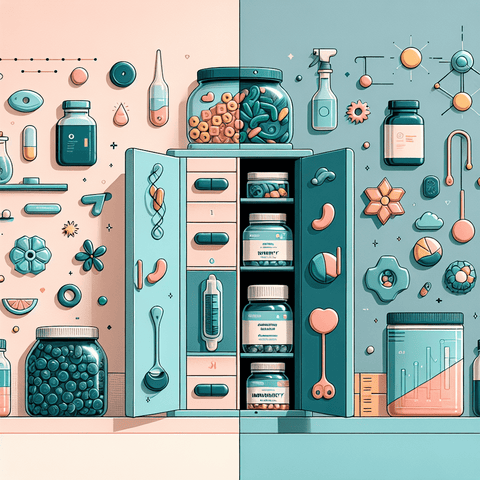

Volwassenenvitamineabsorptie is een complex proces dat wordt beïnvloed door fysiologie en dagelijkse patronen. Deze pagina presenteert op wetenschap gebaseerde overwegingen met betrekking tot praktische stappen, met een focus op de timing van maaltijden, vetinname en leefstijlgewoonten die de opname beïnvloeden. De discussie blijft gebaseerd op bewijs over vitamineabsorptie bij volwassenen, terwijl het vermijden van voorschrijvende aanbevelingen over specifieke voedingsmiddelen of gezondheidsresultaten. De timing van maaltijden heeft invloed op hoe voedingsstoffen door het spijsverteringsstelsel bewegen. Circadiane ritmes beïnvloeden spijsverteringsafscheidingen, darmtransporters en het tempo van verwerking, die allemaal de kinetiek van absorptie kunnen bepalen. Regelmatige patronen in het moment van eten helpen perioden te definiëren waarin processen gerelateerd aan opname het actiefst zijn. Dit onderwerp blijft verder onderzocht worden in wetenschappelijk onderzoek naar vitamineabsorptie bij volwassenen. De aanwezigheid van vet in een maaltijd heeft betrekking op hoe vetoplosbare componenten oplossen en door het spijsverteringsstelsel reizen. Lipiden bevorderen emulgering en de vorming van transportmechanismen die bepaalde micronutriënten vervoeren; een principe dat wordt bestudeerd in de context van vitamineabsorptie bij volwassenen. Bij het overwegen van de timing en samenstelling van maaltijden, is de rol van vetgehalte een cruciaal gebied om te begrijpen hoe absorptieprocessen verlopen. Leefstijlgewoonten zoals slaapkwaliteit, fysieke activiteit en stressniveaus kunnen de darmfunctie en de algehele stofwisseling beïnvloeden. Deze factoren dragen bij aan het bredere plaatje van vitamineabsorptie bij volwassenen, door te reflecteren op hoe het lichaam nutriënten verwerkt in het dagelijks leven. Voor lezers die een persoonlijk begrip zoeken, kan reflectie op dagelijkse routines en overleg met gekwalificeerde professionals context bieden die rekening houdt met individuele omstandigheden.


Are Chewable Supplements Effective for Adults or Just Kids? - Topvitamine
Aug 27, 2025
Kauwbare vitaminen voor volwassenen kunnen een praktische optie zijn als je moeite hebt met slikken of een vaste supplementroutine lastig vindt. De kauwbare vorm is niet automatisch beter opgenomen dan een capsule of tablet: de samenstelling, hoeveelheid, kwaliteit en regelmatige inname zijn belangrijker. Lees welke voedingsstoffen vaak voorkomen, wat ouderen moeten overwegen en hoe je veilig een geschikt product kiest.

Adult vitamin absorption is a fundamental topic in nutrition, touching on how the body processes the essential nutrients needed for everyday health. It is not a single event but a series of complex steps influenced by what you eat, when you eat, and how your body is functioning. This guide provides a broad overview of the key factors that affect vitamin uptake in adults, from the role of food composition to the impact of daily habits. Whether you are new to the subject or looking to deepen your understanding, this page maps out the main concepts and points you toward more specific information found in our related articles.

What is Vitamin Absorption?

In simple terms, vitamin absorption is the process by which vitamins from food and supplements move from the digestive tract into the bloodstream. From there, they are transported to cells and tissues where they are used for various bodily functions. This process is not uniform; it varies significantly depending on the type of vitamin. For instance, water-soluble vitamins like vitamin C and the B-complex vitamins are absorbed directly into the bloodstream, whereas fat-soluble vitamins—such as vitamins A, D, E, and K—require dietary fat for optimal absorption. Understanding this basic distinction is the first step in grasping the broader topic of adult vitamin absorption.

The efficiency of this process can be affected by numerous internal factors, including age, digestive health, and the presence of other nutrients. The body is a highly integrated system, and absorption is influenced by conditions throughout the gastrointestinal tract. For most healthy adults, the body is quite effective at absorbing the vitamins it needs from a varied diet. However, various factors can either enhance or hinder this process, which is why the topic receives significant attention in nutritional science.

Key Factors That Influence Absorption

Several everyday factors can have a noticeable influence on how well your body absorbs vitamins. These factors are interconnected, and considering them together offers a more useful perspective than looking at any one in isolation.

Meal Timing and Digestive Rhythms

The body's digestive system operates on a rhythm that is partly influenced by the timing of meals. These circadian rhythms can affect digestive secretions, the activity of intestinal transporters, and the overall tempo of nutrient processing. This means that consistent meal timing may help align your digestive processes with periods when absorption is more active. While research continues to explore this area, establishing regular eating patterns is a practical and sensible approach for overall digestive health and efficient nutrient uptake.

The Role of Dietary Fat

For fat-soluble vitamins, the presence of fat in a meal is a critical factor. Lipids in food facilitate the emulsification and formation of micelles, which are transport structures that carry these vitamins to the intestinal wall for absorption. In other words, eating some healthy fats alongside foods rich in vitamins A, D, E, and K can support their absorption. A meal without fat may lead to less efficient uptake of these specific nutrients. This is a key principle in understanding how meal composition affects adult vitamin absorption.

Impact of Lifestyle Habits

Beyond food, aspects of your daily life can influence gut function and overall metabolism, which in turn impacts nutrient processing. Key lifestyle factors include:

  • Sleep Quality: Proper rest is essential for countless bodily processes, including the regulation of digestive functions.
  • Physical Activity: Regular exercise can support healthy digestion and metabolism, contributing to a more efficient system.
  • Stress Levels: Chronic stress can negatively affect the digestive tract, potentially influencing how well nutrients are absorbed.