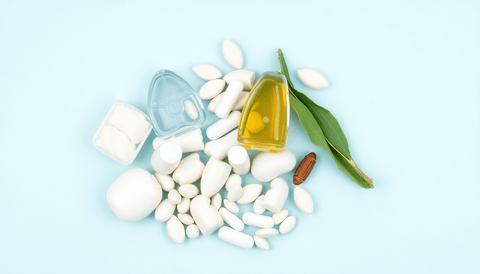
Ontdek allergievrije vitaminen met duidelijkheid en doelgerichtheid. Deze categorie richt zich op producten die ontworpen zijn om de blootstelling aan gangbare allergenen te minimaliseren, terwijl ze duidelijke ingrediënteninformatie presenteren. Allergievrije vitaminen betekent dat je kunt bekijken wat er in elke formule zit en de keuzes erachter kunt begrijpen. De nadruk ligt hier op transparantie—rechtlijnige ingrediëntenlijsten, productienota's en bronnen die je helpen opties te vergelijken zonder giswerk. Als je sensitiviteiten hebt of bepaalde ingrediënten wilt vermijden, vind je praktische begeleiding over hoe deze vitaminen georganiseerd en gepresenteerd worden voor eenvoudige referentie. Openheid over de allergenenstatus is een hoeksteen van deze aanbiedingen. Allergievrije vitaminen-pagina's beschrijven de inkooppraktijken, labelingsnormen en stappen die ondernomen zijn om kruiscontact tijdens de productie te voorkomen. Je ziet hoe formules zijn opgebouwd voor gevoelige behoeften, inclusief overwegingen rondom gangbare triggers en niet-actieve ingrediënten. Het doel is om je te voorzien van neutrale, feitelijke informatie die je kunt bekijken, in plaats van een bepaald product te promoten. Ontdek hoe etiketten informatie communiceren over ingrediëntenlijsten, productiecontroles en notities die relevant kunnen zijn bij het vergelijken van opties. Vind formules voor gevoelige behoeften door te bladeren door producttypes, certificeringen en ingrediëntenkeuzes. Categorieën van allergievrije vitaminen kunnen opties omvatten die aansluiten bij specifieke restricties, en pagina's bieden vaak filters om te verfijnen op allergiegerelateerde criteria. Lees over de rollen van bindmiddelen, vulstoffen en capsules, en hoe deze vermeld worden op het etiket. Deze sectie is ontworpen om je te helpen producten side-by-side te vergelijken en formules te identificeren die aan jouw criteria voldoen. Ontdek meer over allergievrije vitaminen via de beschikbare bronnen en ondersteuning. Deze pagina biedt educatieve inhoud, begrippenlijsten en begeleiding bij het interpreteren van allergenendictaten. Of je nu voor jezelf of iemand anders onderzoek doet, je vindt tips om opties met duidelijkheid te beoordelen. Bezoek regelmatig de sectie over allergievrije vitaminen en gebruik de verstrekte informatie om onderbouwde keuzes te maken.
Allergievrije vitamines: veilige supplementen zonder veelvoorkomende allergenen
For many people, choosing a daily vitamin involves more than just picking a brand or a formula. When you have food sensitivities, allergies, or a need to avoid specific ingredients, the decision becomes much more complex. Allergy-free vitamins are designed to address this challenge by offering supplements that are free from common allergens, providing clearer ingredient labels and more transparent manufacturing processes. This page serves as a comprehensive guide to understanding your options, what to look for, and how to navigate this important category of supplements.
What Are Allergy-Free Vitamins?
Allergy-free vitamins are dietary supplements formulated without common allergens such as gluten, dairy, soy, eggs, peanuts, tree nuts, fish, and shellfish. They are also frequently free from artificial colors, flavors, and preservatives, which can be problematic for sensitive individuals. The goal is to provide a supplement that delivers essential nutrients without exposing the user to ingredients that might cause an adverse reaction or discomfort. It is important to distinguish this from a product being "hypoallergenic" in a clinical sense; instead, it focuses on the transparency and deliberate exclusion of known allergens from the formulation.
In practice, this means manufacturers take extra care in sourcing ingredients and controlling their production environments. This can include using dedicated facilities, conducting rigorous testing for allergen residues, and clearly labeling products to indicate their allergen status. For you, this translates to being able to read an ingredient list and feel more confident about what you are putting into your body.
Main Types of Allergens and Ingredients to Check
When assessing a vitamin for allergen safety, it is helpful to know the common culprits. Beyond the primary food allergens, many products contain additives that can cause issues for sensitive individuals. Here are the main categories to be aware of:
- Gluten: Often found in the form of wheat-based fillers or in binders used to hold tablets together.
- Dairy: Lactose is sometimes used as a filler in tablets or capsules.
- Soy: Soy lecithin, an emulsifier, is a common ingredient in many supplements.
- Tree Nuts and Peanuts: These are less common as direct ingredients but may be processed in the same facility.
- Shellfish: Some calcium supplements derived from oyster shells may contain shellfish proteins.
- Artificial Additives: These include artificial colors (e.g., FD&C Red #40), sweeteners, and certain preservatives.
Manufacturers of allergy-free vitamins often go a step further by eliminating common inactive ingredients like magnesium stearate, which is a flow agent, and certain types of silicon dioxide. They may choose to use transparent capsules made from plant-based materials instead of gelatin (which can be derived from beef or pork).
The Importance of Label Reading and Certifications
Reading labels is the most critical skill when selecting allergy-free vitamins. Beyond the Supplement Facts panel, you should read the full ingredient list, which includes non-active ingredients. Look for explicit "Free from" statements that list the specific allergens a product does not contain. Third-party certifications can provide an additional layer of assurance. These include certifications from organizations that audit products for the presence of gluten (like NSF Gluten-Free or a similar program) or other specific allergens.
It is also valuable to research the manufacturer's policies on cross-contact. Do they run a dedicated facility? What testing do they conduct? The answers to these questions are often found on the company's website or by contacting them directly. The emphasis should be on finding the level of transparency that makes you feel comfortable and confident in your choice.
Different Forms of Allergy-Free Supplements
Allergy-free vitamins come in various forms, each with its own set of considerations:
- Vegetarian or Vegan Capsules: These are often made from cellulose or pullulan (a starch-based polymer). They are typically free from gelatin and animal products.
- Tablets: These are more likely to contain binders and fillers. However, many allergen-conscious manufacturers now produce tablets that are free from the major allergens.
- Powders: These can be mixed into drinks and are often formulated without many common additives, though they may contain natural flavors or sweeteners from fruit or other plant sources.
- Liquids: These are another option, though they might contain preservatives to maintain shelf stability.
Your choice of form may depend on personal preference, ease of swallowing, and how your body absorbs the nutrients.
How Allergy-Free Vitamins Relate to Overall Supplement Choices
Choosing an allergy-free vitamin is a process that sits within the larger context of your overall supplement strategy. It is about ensuring that the delivery system (the capsule, the binder, the filler) does not undermine the benefits of the nutrients themselves. For example, if you have a dairy allergy, you may want to be especially cautious with calcium supplements, which often contain lactose. If you are on a vegan diet, you'll look for Vitamin D3 that does not derive from lanolin (sheep's wool) and instead comes from lichen. This type of thoughtful selection ensures your supplement aligns with your dietary and health needs.
This focus on ingredient transparency is a great overall practice. By paying attention to these details for allergy reasons, you may become more aware of what you are taking and why. When you understand the role of each ingredient, you are better equipped to choose a high-quality supplement that aligns with your values, whether that's organic, non-GMO, or vegetarian.
Navigating Your Purchase: What to Look For
Here are some general steps to consider when evaluating allergy-free vitamins:
- Review the Allergen Statement: Look for clear "Free from" or "No" statements for gluten, dairy, soy, and nuts.
- Read the Inactive Ingredients: This is where many common allergens hide. Look for terms like maltodextrin (often from wheat), lactose, or lecithin (often from soy).
- Check for Third-Party Testing or Certifications: Look for seals or statements about independent quality control.
- Research the Brand's Manufacturing Practices: If you have a severe allergy, you might prioritize brands that have dedicated allergen-free facilities.
- Consult a Healthcare Professional: If you have a known allergy, it is always a good idea to discuss your supplement plan with a doctor, pharmacist, or a registered dietitian.
By following these steps, you can reduce the guesswork involved in finding a supplement that fits your needs.
Beyond Allergens: Considering Nutrient Needs
It is also important to consider the nutrient profile itself, beyond just the allergen content. The formats and doses of vitamins can vary widely. For example, magnesium is available in different forms such as citrate, glycinate, and oxide, each with different absorption rates and potential effects on the digestive system. Similarly, B-complex vitamins come in a range of forms. Focusing on an allergen-free delivery system will help you find a product that works, but you'll also want to make sure the nutrient form and dosage are appropriate for your individual needs. To learn more about these specific nutrients and their forms, you can explore our detailed guides on magnesium supplements, multivitamins, or vitamin D. This will help you understand the broader context of the nutrients you are considering.
Exploring Questions About Allergies and Supplements
A common question is whether certain vitamins can help with allergy symptoms themselves. It is important to clarify that vitamins are not intended to treat, cure, or prevent allergies. For example, Vitamin C is a nutrient essential for immune function, and some people explore its role in relation to histamine, but the science is not conclusive, and it should not be considered a treatment for allergic reactions. Similarly, nutrients like quercetin are found in certain foods and supplements, but they are not a substitute for allergy medications prescribed by a doctor. The focus of this page is on how vitamins are made and what they contain, rather than using them as a therapy.
However, if you have allergies that cause skin issues like itchy or dry skin, you might pay special attention to nutrients like Vitamin E or essential fatty acids, which play a role in skin health. In all cases, addressing specific health concerns should be done in consultation with a healthcare provider who can offer personalized advice.
Building Your Allergy-Free Supplement Routine
Incorporating allergy-free vitamins into your daily routine requires a bit of planning. Once you have found a product that meets your allergen criteria, you should still be mindful of any changes in how you feel. It's beneficial to introduce one new supplement at a time to be able to identify any potential reactions. Keep a simple list of what you are taking and the brand names, as formulations can change. Re-evaluating your choices periodically ensures that the products you use continue to meet your standards for safety and quality.
This category page is designed to be your starting point for understanding the landscape of allergy-free vitamins. It provides a broad overview of key concepts. For more detailed discussions on specific topics, such as how a particular nutrient affects your body or a deeper analysis of certain ingredient types, we encourage you to browse the individual articles linked on this page. Exploring these resources will give you both the broad picture and the specific details you need to make confident choices.