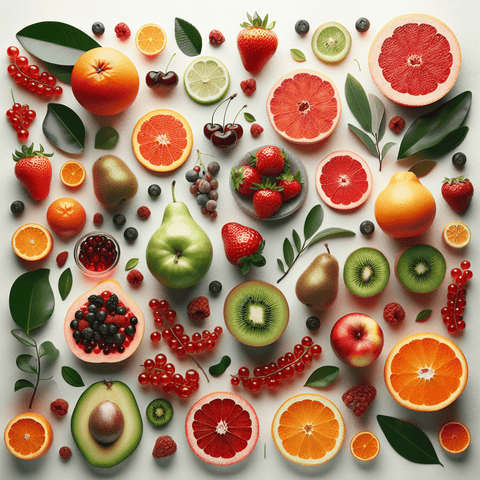
Antioxidant-rich fruits are a cornerstone of many healthy eating patterns. This guide serves as a comprehensive hub for understanding what makes these fruits special, which ones are most popular, and how to incorporate them into your daily life. We'll explore the science behind antioxidants in simple terms, look at the different types of fruits that are celebrated for their antioxidant content, and provide practical tips for selecting, storing, and enjoying them.
What Are Antioxidants and Why Do They Matter?
Antioxidants are natural compounds found in various foods, especially plant-based ones. They play a key role in the body by helping to neutralize unstable molecules known as free radicals. These free radicals are a normal byproduct of metabolism, but factors like pollution, stress, and poor diet can increase their numbers. Over time, an excess of free radicals can cause oxidative stress, which is a process that can damage cells.
In the context of nutrition, consuming foods rich in antioxidants—such as fruits—is a practical way to support the body's natural defense system. The vitamins, minerals, and plant pigments known as phytonutrients work together to help maintain cellular health. It's important to remember that antioxidants are most effective when consumed as part of a whole-food diet, rather than in isolated supplement form.
Common Types of Antioxidant-Rich Fruits
The world of antioxidant-rich fruits is diverse, spanning different colors, flavors, and textures. While all fruits offer some nutritional value, certain types are particularly noted for their high concentration of beneficial compounds. Here are some of the most widely recognized categories:
- Berries: This family is often highlighted for its potent antioxidant profile. Blueberries, strawberries, raspberries, and blackberries are rich in various plant compounds, including anthocyanins, which give them their deep colors.
- Tropical Fruits: Options like pomegranates, goji berries, and acai are frequently studied for their high antioxidant capacity. These fruits often contain a unique mix of vitamins and polyphenols.
- Citrus Fruits: Oranges, grapefruits, and lemons are known for their vitamin C content, which is a crucial antioxidant. They also contain flavonoids that contribute to their antioxidant activity.
- Stone Fruits: Plums, cherries, and peaches contain a good range of antioxidants, including vitamin C and various phenolic compounds.
- Grapes: Both red and purple grapes are rich in resveratrol and flavonoids, which are also found in red wine.
Understanding Antioxidant Rankings and Measurements
A common question is, 'What are the top antioxidant-rich foods?' or 'Which fruit is the strongest?' One way to measure and compare antioxidant content in foods is through the ORAC (Oxygen Radical Absorbance Capacity) score. This laboratory test measures the antioxidant capacity of a food sample. While useful, ORAC values are not the only indicator of health benefit.
It's important to understand that a 'ranking' of fruits is not definitive for health outcomes. The best approach is to eat a wide variety of antioxidant-rich fruits. Each fruit provides a unique combination of antioxidants, and this diversity is more beneficial than focusing on a single 'superfood.'
Quick Comparison: High-Antioxidant Fruits
While exact numbers can vary, this table offers a general idea of how different fruits compare in antioxidant density. This information is based on common nutritional research and is meant for educational purposes.
- Goji Berries: Often cited for their exceptionally high ORAC value.
- Blueberries & Wild Blueberries: Consistently rank among the highest for common fruits.
- Blackberries & Raspberries: Very high in antioxidants, especially anthocyanins.
- Strawberries: A good source of vitamin C and other antioxidants.
- Pomegranates: Rich in unique polyphenols and ellagitannins.
- Plums, Cherries, and Oranges: Provide moderate to high levels of various antioxidants.
Key Antioxidant Vitamins and Compounds
Understanding the key players in antioxidant-rich fruits helps clarify their nutritional impact. Here are some of the most important vitamins and compounds found in these foods.
Vitamin C
Vitamin C is a water-soluble antioxidant that is essential for immune function and skin health. It's abundant in citrus fruits, strawberries, and kiwi, and it helps protect cells from oxidative damage.
Vitamin E
Vitamin E is a fat-soluble antioxidant that protects cell membranes. While more commonly found in nuts and seeds, some fruits, like avocados, contribute to your vitamin E intake.
Polyphenols and Flavonoids
These are large groups of plant compounds with powerful antioxidant properties. Examples include anthocyanins (blue/purple pigments), resveratrol (found in grapes), and quercetin (found in apples and berries). They are responsible for much of the antioxidant activity in these fruits.
Practical Tips: Selecting, Storing, and Enjoying
Incorporating antioxidant-rich fruits into your routine is simple with the right approach. Here are practical guidelines for getting the most out of them.
How to Pick the Best Fruits
- Color: Look for vibrant, deep colors, as this often indicates a higher concentration of phytonutrients.
- Texture: Choose fruits that are firm but yield slightly to gentle pressure, avoiding any that are bruised or overly soft.
- Aroma: A fresh, fragrant smell is a good sign of ripeness and quality.
- Seasonality: Buying fruits in their peak season often ensures better flavor and nutritional value.
Proper Storage Methods
Most antioxidant-rich fruits, like berries, are best stored in the refrigerator. To maintain their quality, follow these tips:
- Keep them cold to slow down the loss of nutrients.
- Wash them only right before eating to prevent moisture from causing mold and mushiness.
- Use a breathable container to allow air circulation and reduce excess humidity.
Simple Ways to Add Them to Your Diet
There are endless ways to enjoy these fruits. Whether you prefer them fresh or transformed, they can elevate a simple meal. Consider these ideas:
- Snacking: Nibble them fresh for a quick and satisfying snack.
- Breakfast: Stir them into yogurt, oatmeal, or cereal for a morning boost.
- Blending: Create smoothies for a refreshing drink packed with nutrients.
- Salads: Toss them into green salads for a pop of color and sweetness.
- Creative Cooking: Use them in a fruit salsa, freeze them for a chilly treat, or sprinkle pomegranate seeds over grain bowls for extra crunch.
Antioxidant Supplements: A Complementary View
While a diet rich in fruits is the most effective way to obtain antioxidants, some people consider supplements. It's crucial to understand that supplements are not a replacement for a healthy diet. Whole foods offer a complex mix of nutrients that work synergistically, which is difficult to replicate in a pill.
If you are interested in exploring supplements, it's important to choose regulated products and consult with a healthcare professional, especially if you have underlying health conditions. For more information on specific supplements, you can explore our antioxidant supplement collection to see what products are available. You can also learn more about the synergistic role of superfoods in a balanced diet.
Frequently Asked Questions About Antioxidant-Rich Fruits
Here are concise answers to some common questions about antioxidants and the fruits that contain them.
What are the big 3 antioxidants?
The term 'big 3' typically refers to Vitamins A, C, and E. These are three of the most well-known and studied antioxidant vitamins, each playing a unique role in protecting the body from oxidative stress.
What are the 10 most powerful antioxidants?
The concept of 'most powerful' is complex. However, commonly cited ones include anthocyanins, resveratrol, quercetin, glutathione, and vitamins C and E. A diverse diet ensures you get a range of these beneficial compounds, each with unique functions.
What is the strongest natural antioxidant?
In laboratory tests, certain compounds like glutathione and some specific plant pigments show high potency. However, 'strongest' doesn't mean 'most important.' A balanced intake from colorful fruits and vegetables is more beneficial than focusing on finding one single 'strongest' source.