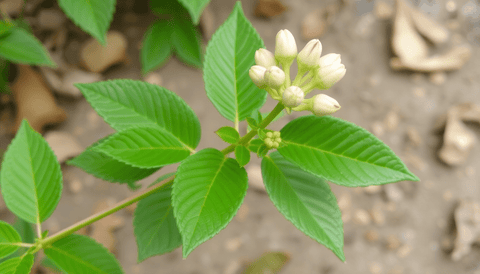
De voordelen van ashwagandha zijn een veelgezochte term voor lezers die nieuwsgierig zijn naar hoe deze kruid wordt besproken in traditionele praktijken en moderne wetenschap. Deze pagina heeft als doel een evenwichtig beeld te schetsen door uit te leggen wat onderzoekers verstaan onder adaptogenen, hoe het onderwerp wordt gepositioneerd rondom dit kruid en hoe de dosering in de praktijk wordt benaderd. Door te focussen op de taal die wordt gebruikt om de voordelen van ashwagandha te beschrijven, leer je hoe informatie is georganiseerd en waarop je moet letten op productlabels en in wetenschappelijke discussies. Binnen wetenschappelijke discussies wordt ashwagandha beschreven als een adaptogeen — een categorie stoffen die onderzocht wordt vanwege hun potentiële invloed op de reactie van het lichaam op stress en verwante processen. Onderzoekers onderzoeken mogelijke mechanismen, waaronder activiteit op de hypothalamus-hypofyse-bijniersysteem, antioxidante eigenschappen en het chemische profiel van gestandaardiseerde extracten die withanoliden bevatten. In dit gedeelte blijven de beweringen beschrijvend, met een opmerking dat de bevindingen variëren afhankelijk van de onderzoeksmethode, de populatie en de specificaties van het extract. Het doel is een neutraal beeld te geven van hoe de wetenschap spreekt over de voordelen van ashwagandha met betrekking tot mechanismen en bewijssoorten. Dosisadviezen: bij het kiezen van een product, zoek naar een duidelijk gelabeld gestandaardiseerd extract met een vastgesteld gehalte aan actieve verbindingen. Begin met een lagere dosis en pas deze geleidelijk aan volgens de instructies op het label en je persoonlijke tolerantie, zonder te verhogen zonder passende begeleiding. Het is verstandig om een zorgprofessional te raadplegen als je medische aandoeningen hebt, medicijnen gebruikt, of zwanger bent of borstvoeding geeft. Controleer altijd op kwaliteitsindicatoren zoals onafhankelijke testen, batchregistraties en duidelijke ingrediëntenlijsten om veilig doseren te ondersteunen en producten goed te vergelijken. Tijdens dit proces kan je ook discussies tegenkomen over de voordelen van ashwagandha en hoe verschillende formuleringen proberen die gesprekken weer te geven. Om de discussie over de voordelen van ashwagandha te evalueren, bedenk je de kwaliteit en opzet van de genoemde studies, de consistentie van de resultaten over populaties, en de transparantie van de extractiespecificaties. Deze aanpak helpt je de wetenschap achter het adaptogeenconcept te interpreteren zonder de uitkomsten te overdrijven. Door zowel de traditionele context als de taal van het moderne onderzoek te begrijpen, kun je een evenwichtig beeld vormen van hoe de voordelen van ashwagandha worden beschreven in termen van dosering, mechanismen en bewijs.
Ashwagandha Voordelen: Natuurlijke Stressvermindering, Slaap & Energie
Ashwagandha (Withania somnifera) has become one of the most popular herbal supplements in the natural health world. In traditional practice, this herb is often described as a balancing tonic, and modern discussions frequently refer to it as an adaptogen—a category of botanicals studied for their potential influence on the body's response to stress. This tag page serves as a broad overview of ashwagandha benefits, the science behind the topic, how to choose a supplement, and the essential safety considerations. Here, you'll find a comprehensive map of the topic, connecting to more specific articles and supporting product categories.
Understanding the Adaptogen Concept
To understand the discussion around ashwagandha benefits, it helps to start with the term “adaptogen.” The concept suggests that certain plants might help the body maintain balance or homeostasis in the face of physical or mental stress. This is distinct from a direct treatment for a disease; instead, it is proposed to support natural mechanisms. In scientific literature, researchers look at this effect through several mechanisms, including the potential influence on the hypothalamic-pituitary-adrenal (HPA) axis, which helps regulate stress responses and cortisol levels, and the antioxidant properties of compounds called withanolides.
It is important to recognize that “adaptogen” is not a recognized medical diagnosis or category of treatment in all scientific circles. The research on ashwagandha is promising but evolving. Evidence can vary based on study design, the type of extract used, and the dosage. For this reason, it's essential to look for the quality and design of studies cited, the consistency of results across populations, and the transparency of extract specifications. This approach helps you interpret the science behind the adaptogen concept without overstating confirmed outcomes.
Key Areas of Research and Potential Benefits
Most of the public conversation around ashwagandha benefits centers on a few main areas. At our level, you’ll explore the most commonly researched topics with a balanced view, refraining from making definitive claims about the results.
Stress and Anxiety
A significant body of research focuses on ashwagandha for perceived stress and anxiety. This research typically uses standardized extracts with a specific degree of withanolides. Some studies suggest that the herb could contribute to a reduction in perceived stress, which is why it's a common subject of clinical trials. The exact mechanism is still being studied, but the potential to influence the body's stress response system is a key theoretical focus. However, it's important to recognize that results are not universally consistent, and different products may show different results.
Sleep and Energy
In addition to stress, many users are interested in ashwagandha for its potential to support sleep and energy. Poor sleep is a common topic and is often associated with higher stress levels. Some evidence suggests that the herb may influence neurotransmitter systems and have a calming effect, which can improve perceived sleep quality in some people. This, in turn, might contribute to better daily energy. However, sleep physiology is complex, and findings in this area are likewise variable, so it’s best to understand this as a potential rather than a guaranteed effect.
Cognitive Function
Another area of interest is the influence of ashwagandha on memory and cognitive performance. Some research is exploring whether the herb’s antioxidant and neuroprotective properties might support cognitive health. Outcomes from trials can appear inconsistent, and there’s variation in how cognitive function and memory are measured. This topic often intersects with aging research, but the tag page treats it as an open avenue of study rather than a confirmed effect.
Women’s and Men’s Health
Ashwagandha is also discussed in a specific context for its potential effects on hormonal balance in women and fertility in men. Research in these areas is limited and uses various extracts. For women, the conversations often relate to balancing hormones, supporting and supporting the transition into menopause, and reducing stress-related symptoms. For men, the research focuses on fertility markers and vitality. While these are active areas of study, results can be mixed and highlight the need for not overgeneralized health conclusions.
Dosage, Forms, and Supplement Selection
When evaluating an ashwagandha benefits, the way you choose a product is crucial. You may encounter products in various forms, including root powder, capsules, or liquid extracts. Rather than being a simple choice, the form can affect the extract concentration and dosage. If you're thinking about ashwagandha, look for it in a
Here are some practical points to consider:
- Look for standardized extracts. The label should specify the percentage of as a key withanolides (often 2.5% to 5%). This helps you compare different products more objectively, since potency and effectiveness can vary widely between brands.
- Start with a low dose and adjust slowly. Avoid to escalate the dose without evidence or guidance from a qualified health professional.
- Ensure quality, not just the label. Look for a batch record, an ingredient list, and a marker of third-party testing to ensure purity and potency. This is essential for safety and ideal for your expectations.
While the market has a broad range of supplements, a helpful are the product categories available. You might explore a range of ashwagandha supplements to see how different formulations are presented side-by-side.
One Important Note: Safety and Side Effects
Safety is a central part of discussing ashwagandha benefits. It is not without cautions, and being aware of them is essential before jumping into your daily routine. Some general points include:
- Contraindications: Ashwagandha isn’t recommended for everyone. Individuals who are pregnant or breastfeeding should avoid it. It may also affect thyroid, liver, and blood sugar levels; if you have those medical conditions, you should seek health care professional guidance.
- Drug Interactions: Do not combine ashwagandha with medications without consulting your doctor. It ranges from thyroid hormones, blood sugar-lowering agents, and sedatives.
- Autoimmune Conditions: Since ashwagandha may stimulate the immune system (or modify it), those with autoimmune diseases should discuss with a physician before deciding to use it.
- Gastrointestinal Upset: Some experience stomach problems, diarrhea, or nausea— particularly when it’s eaten on an empty stomach.
These points keep the conversation on safety. Answers to specific ”Why be careful with ashwagandha?”, “What cannot be mixed with ashwagandha?”, or “does ashwagandha have vitamin B12?” are best explored within dedicated articles in specific places rather than here. This broad list is intended to make you mindful and aware of the basics required to formulate a conversation with a healthcare provider.
How the Topic and Research Relate to Other Nutrients
Ashwagandha is often discussed as a standalone supplement, but it can also be seen alongside other nutritional topics. For instance, stress and sleep are popular areas of conversation in the same sentence as vitamins and minerals. For instance, magnesium is increasingly a favorite for sleep and stress relief, making it a closely related topic. The same goes for vitamin B-complex, which is essential for energy metabolism (and is sometimes anecdotally confused with ashwagandha in the same user context). Our magnesium benefits and muscle support collection or vitamin B guides could help contextualize those related areas and build a complete mental map. These nutrients are frequently part of the same holistic conversations about energy, stress, and sleep.
Wrapping Up This Broad Overview
This tag page has provided a mapping of the broader topic of ashwagandha benefits. It’s a good first stop for understanding the fundamentals: what adaptogens are, what science investigates, how to select a decent product, and things to be careful around. For more specific details (like dosage by purpose or specific interactions), the array of specialized blog articles within this tag will offer that depth. So use this overview to frame your questions, then dive into the related posts with the knowledge that you've mapped out the terrain in advance.