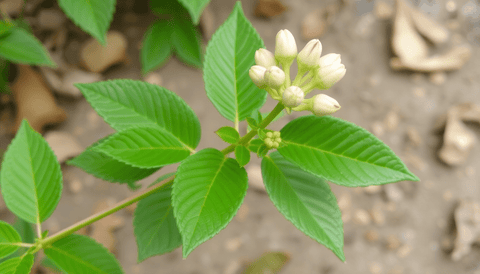
Bijwerkingen en veiligheid van Ashwagandha: Een praktische gids voor risico's, interacties en veilig gebruik


Deze pagina behandelt bijwerkingen en veiligheid van ashwagandha en biedt een praktische kijk op risico’s, interacties en hoe je deze kruiden met voorzichtigheid kunt gebruiken. De focus ligt op wat wetenschappelijk onderzoek zegt over mogelijke nadelige effecten, hoe interacties kunnen ontstaan, en welke stappen je kunt nemen om het risico te beperken. Het doel is een evenwichtig, op bewijs gebaseerd inzicht te geven zonder specifieke gezondheidsclaims te promoten. Bepaalde mensen moeten extra voorzichtig zijn of overwegen ashwagandha niet te gebruiken. Zwangere of zogende personen wordt vaak aanbevolen het gebruik te vermijden. Mensen met auto-imuunziekten of schildklierstoornissen kunnen gevoeliger zijn voor de effecten, en iedereen met leverziekte of verminderde leverfunctie moet het gebruik overleggen met een zorgverlener voordat ze het nemen. Daarnaast zijn gegevens over de langetermijnveiligheid beperkt, dus het is verstandig om nieuwe symptomen in de gaten te houden en het gebruik na verloop van tijd opnieuw te beoordelen. Ashwagandha kan interactie aangaan met andere stoffen en medicijnen, wat een belangrijk onderdeel is van de veiligheidsaspecten. Mogelijke interacties omvatten voorgeschreven medicijnen zoals schildkliermedicatie, sedativa, immunosuppressiva en bloedverdunners, evenals andere kruiden of supplementen. Omdat interacties kunnen beïnvloeden hoe deze stoffen werken, is het belangrijk om alle gebruikte producten aan een zorgverlener te melden en de instructies op het etiket te volgen. Veel voorkomende bijwerkingen – zoals maag-darmklachten, vermoeidheid of huidreacties – zijn meestal zeldzaam, maar verdienen aandacht. Bij ernstige of aanhoudende klachten moet het gebruik worden stopgezet. Dosisadvies en veilig gebruik benadrukken het belang van het volgen van de productlabeling en kwaliteit. Begin met de laagst aanbevolen dosis en vermijd het overschrijden van de aanbevolen hoeveelheid, vooral als je onderliggende gezondheidsproblemen hebt of andere medicijnen gebruikt. Kies voor een betrouwbaar product dat transparant is over ingrediënten en contaminantentest. Let ook op de variatie in withanolide-gehalte tussen verschillende preparaten. Als je nieuwe of verergerde symptomen opmerkt, stop dan met gebruik en raadpleeg een arts. Hoewel wetenschap enige inzichten biedt in veiligheid, is doorlopend onderzoek nodig om risico’s en interacties in verschillende gebruikspatronen beter in kaart te brengen.


What Is Ashwagandha? Benefits, Dosage, Side Effects & Daily Use Guide - Topvitamine
Jun 30, 2025
Ashwagandha, ook bekend als Withania somnifera, is een kruidenextract uit de Ayurvedische traditie. In dit artikel lees je wat ashwagandha is, waarvoor het mogelijk wordt gebruikt, welke dosering in onderzoek vaak voorkomt en welke bijwerkingen en wisselwerkingen belangrijk zijn. Ook bespreken we dagelijks gebruik, aandachtspunten voor vrouwen en situaties waarin overleg met een arts of apotheker verstandig is.

Ashwagandha, an herb with a long history in traditional wellness, is now a common supplement for those seeking support for stress and overall balance. While its popularity continues to grow, a clear understanding of ashwagandha side effects and safety is crucial for anyone considering its use. This guide provides a broad overview of the key safety aspects, including who should be cautious, potential interactions with medications, and practical steps for responsible use. The aim is to provide balanced, science-grounded information that helps you make an informed decision.

What Is Ashwagandha?

Ashwagandha (Withania somnifera) is an adaptogenic herb, a class of botanicals traditionally used to help the body manage stress. The plant's roots and leaves are used to make extracts, which contain active compounds known as withanolides. It is important to understand that 'adaptogenic' is a traditional classification, and the scientific evidence for how these herbs work is still a topic of research. When discussing ashwagandha, it is essential to focus on what is known about its safety profile rather than assume unverified benefits.

Important Safety Considerations and Who Should Avoid It

While ashwagandha is generally well-tolerated for short periods by many adults, it is not suitable for everyone. A key part of responsible use is recognizing the groups for whom its safety is not well-established or who may be at higher risk for adverse effects.

  • Pregnant or Breastfeeding Individuals: It is typically advised to avoid ashwagandha during pregnancy and while breastfeeding due to a lack of sufficient safety data.
  • People with Autoimmune Conditions: Ashwagandha may stimulate the immune system, which could theoretically worsen symptoms of conditions like rheumatoid arthritis, lupus, or Hashimoto's thyroiditis. Professional medical guidance is essential.
  • Individuals with Thyroid Disorders: The herb may influence thyroid hormone levels and could interfere with thyroid function or the effectiveness of thyroid medications. Close monitoring by a healthcare provider is important.
  • Those with Liver Conditions: There have been rare reports of liver injury associated with ashwagandha. Anyone with pre-existing liver disease should discuss use with their doctor and be vigilant for signs of liver issues, such as jaundice or dark urine.

This is not an exhaustive list. It is always prudent to consult with a qualified healthcare professional to determine if ashwagandha is appropriate for your individual health profile. For a broader look at herbal supplements and their general considerations, you can visit our herbal supplements guide.

Recognizing Potential Ashwagandha Side Effects

Most people do not experience severe side effects when using ashwagandha at recommended doses for a limited time. However, like all supplements, it can cause adverse effects in some individuals. Being aware of these possibilities helps with informed monitoring and appropriate action.

  • Gastrointestinal Upset: This is among the more commonly reported issues and can manifest as stomach upset, diarrhea, or nausea.
  • Drowsiness and Sedation: Some users report feeling overly sedated or drowsy, especially when taking higher doses. This is an important consideration, particularly for those taking other sedating substances.
  • Skin Reactions: Though less common, skin rashes or itching have been reported.

If you experience any side effect that is severe, persistent, or concerning, it is recommended to stop taking ashwagandha and seek advice from a healthcare professional. The frequency and intensity of these effects are not clearly established in research, highlighting the need for careful self-monitoring.

Crucial Ashwagandha Interactions with Medications

Ashwagandha can interact with various prescription and over-the-counter medications, potentially altering their effectiveness or increasing the risk of adverse effects. Disclosing all supplements and medications to your doctor and pharmacist is a critical safety step.

The following groups of medications are a primary concern when combined with ashwagandha:

  • Thyroid Hormone Medications: Ashwagandha may increase thyroid hormone levels, meaning a doctor needs to closely monitor and potentially adjust the dose of medications like levothyroxine to avoid hyperthyroidism.
  • Sedatives and Central Nervous System Depressants: Because ashwagandha can cause drowsiness, combining it with sedatives, sleep aids, or anti-anxiety drugs could lead to excessive sedation and slowed breathing.
  • Immunosuppressants: Given ashwagandha's potential to affect immune function, it might counteract the action of drugs that are intended to suppress the immune system, such as those taken after an organ transplant or to manage autoimmune diseases.
  • Anticoagulants (Blood Thinners): There is a theoretical risk that ashwagandha could enhance the effects of blood thinners like warfarin, increasing the risk of bleeding and bruising. This interaction requires careful monitoring.

This list covers some of the most significant interactions. It does not include every possible substance. Always read product labels for warnings and consult your pharmacist or doctor about the complete list of everything you are taking.

Guidelines for Safe Use and Dosage

If you have consulted with a healthcare professional and decided to proceed with ashwagandha, following practical safety guidelines is key.

  • Adhere to Label Instructions: Always start with the lowest dose suggested on the product label. Do not exceed the recommended amount, as higher doses do not necessarily offer more benefit and may increase the risk of side effects.
  • Choose High-Quality Products: Select supplements from reputable brands that prioritize transparency. Look for those that conduct third-party testing for purity, potency, and to avoid contaminants like heavy metals. The withanolide content can vary significantly between products.
  • Be Mindful of Dosage: If you are starting with a new product, a standard dose typically ranges from 300-600 mg of a standardized extract taken once or twice daily, but you should defer to the specific product label. Understanding the extract concentration is more useful than just the powder weight.
  • Monitor Your Body's Response: Pay close attention to how you feel after starting the supplement. If you notice any new symptoms or if existing symptoms worsen, stop taking it and seek medical advice.

Exploring the safety and nutritional aspects of supplements is a core part of our mission. For more general wellness information, you might find our natural supplements collection helpful as you navigate your choices.

Addressing Common Safety Questions and Misconceptions

Several common questions often arise when discussing ashwagandha's safety, particularly around its long-term use and who should avoid it.

What Happens if Ashwagandha Is Taken Every Day?

The long-term safety of daily ashwagandha use is not well-established. Most studies are limited to a few months in duration. If you are considering taking it daily for an extended period, it is essential to have regular check-ins with a healthcare provider to monitor for any subtle health changes. Periodic breaks from supplementation is a strategy some people discuss with their doctor.

What Is the Controversy With Ashwagandha?

The 'controversy' surrounding ashwagandha primarily stems from gaps in research and inconsistent product quality. This includes anecdotal reports of adverse effects on liver function and the many unregulated products with wildly varying potencies available on the market. The discussion is not necessarily about the herb itself being 'bad', but rather the lack of standardized, high-quality, long-term evidence to definitively confirm its safety profile for all populations. For a more focused look at the products themselves, you can explore our dedicated ashwagandha supplements range.

Who Must Not Take Ashwagandha?

The groups for whom ashwagandha is generally contraindicated are clear: pregnant or breastfeeding women, individuals planning surgery (due to potential effects on the central nervous system), and people taking certain medications like sedatives or thyroid hormones. People with autoimmune diseases or liver problems should not take it without explicit approval and monitoring from their specialist.

Conclusion: Prioritizing Informed and Safe Use

Navigating the world of supplements requires a balanced approach rooted in safety. Ashwagandha may be a beneficial herb for some, but it is not without its risks and contraindications. By educating yourself on the potential side effects, understanding medication interactions, and following prudent dosage guidelines, you can make a well-informed choice. Remember that this information is educational and is not a substitute for tailored medical advice from a knowledgeable healthcare provider.