
De verkenning van B12 voor energie komt vaak voor in gesprekken over dagelijkse prestaties. Deze pagina neemt een neutrale kijk op hoe de term wordt gebruikt, wat het aangeeft en hoe lezers het onderwerp met praktische stappen kunnen benaderen. De focus ligt op het begrijpen van het idee en het toepassen van doordachte, niet-dwingende strategieën voor het plannen van je dag. Het concept begrijpen: B12 voor energie verschijnt als een vaak voorkomende zoekterm in gesprekken over vitaliteit en mentale helderheid. We beschrijven de term in eenvoudige taal en plaatsen deze binnen bredere routines voor dagelijkse prestaties, zonder specifieke uitkomsten te beweren. Het doel is om context en opties te bieden voor verdere verkenning. Praktische tips voor het omgaan met dit onderwerp zijn onder andere beginnen met een eenvoudige notitie van wanneer je aandacht en uithoudingsvermogen het sterkst lijken, en die inzichten gebruiken om een regelmatig schema te maken dat bij jouw persoonlijke ritme past. Neem bewuste pauzes in om een gelijkmatige voortgang te behouden en uitputting te voorkomen. Wanneer je onderzoek doet naar B12 voor energie, controleer dan de bronnen, vergelijk perspectieven en overweeg hoe de informatie aansluit bij jouw doelen en dagelijkse routine. Met een nieuwsgierige, methodische aanpak kun je discussies over B12 voor energie navigeren en praktische stappen identificeren die bij jouw routine passen. Deze pagina nodigt je uit om nu praktische tips te leren en te beslissen wat je als volgende wilt proberen, met de nadruk op doordachte planning, consistentie en persoonlijke pacing in plaats van het maken van definitieve uitspraken.
Vitamine B12 voor Energie: Verhoog je Vitaliteit, Focus en Uithoudingsvermogen
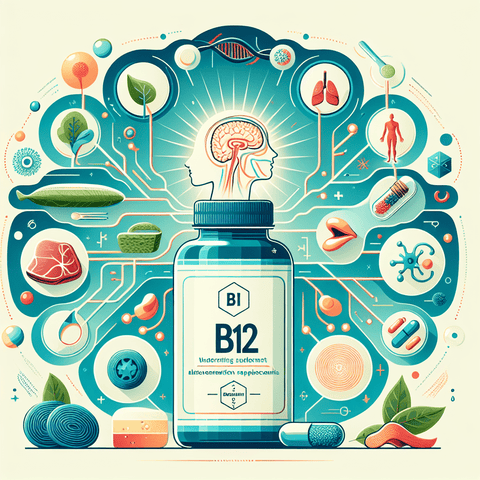
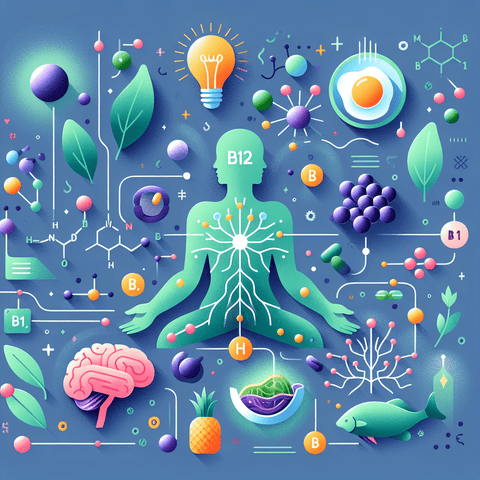
Vitamin B12 for energy is one of the most common pairings in nutrition searches, and for good reason: this vitamin plays a recognised role in how the body releases energy from food. This tag page brings together Topvitamine's articles on vitamin B12 and energy in one place, giving you a clear map of the topic before you dive into the more specific questions covered by the individual posts.
Below you will find a broad overview of what vitamin B12 is, how it relates to tiredness and stamina, where B12 comes from, which supplement forms are available, and what to consider if low energy has you questioning your B12 intake. A short FAQ at the end answers the questions readers ask most often.
What Is Vitamin B12 and What Does It Do?
Vitamin B12, also called cobalamin, is a water-soluble vitamin that the body cannot produce on its own. It must therefore come from food, fortified products, or supplements. The body is also able to store B12, mainly in the liver, which is one reason why low levels can take considerable time to develop.
Vitamin B12 contributes to several normal functions that are directly relevant to the topic of energy:
- Energy-yielding metabolism: the processes by which the body releases energy from food
- Red blood cell formation: part of how oxygen is transported around the body
- Normal functioning of the nervous system
- Normal psychological function
These roles explain why B12 appears so often in conversations about vitality, focus, and daily performance. They also show why “B12 for energy” is best understood as shorthand for the vitamin's role in the body's energy processes, rather than a promise of an immediate effect.
Vitamin B12 and Energy: How They Are Connected
The link between B12 and energy rests on two pillars. First, vitamin B12 contributes to normal energy-yielding metabolism, meaning it supports the biochemical processes that turn the food you eat into energy your body can use. Second, it contributes to normal red blood cell formation, and red blood cells carry oxygen — a constant supply of which is essential for both physical and mental stamina.
It is just as important to understand what B12 does not do. Vitamin B12 is not a stimulant and does not work the way caffeine does. If your B12 levels are already adequate, taking extra B12 is not expected to make you feel more energetic. The vitamin's contribution matters most for people whose intake or absorption falls short, which is also why persistent tiredness is best investigated rather than automatically answered with a supplement.
Dietary Sources and Supplement Forms of Vitamin B12
Food Sources of Vitamin B12
Vitamin B12 occurs naturally almost exclusively in animal-derived foods. The main dietary sources are:
- Meat and poultry
- Fish and shellfish
- Eggs
- Dairy products such as milk, cheese, and yoghurt
- Fortified products, such as plant-based drinks, breakfast cereals, and nutritional yeast with added B12
Because natural plant foods contain little to no B12, people who follow a vegan or largely plant-based diet tend to pay extra attention to fortified products or supplements. This is a general nutritional consideration rather than personal advice — a healthcare professional or dietitian can help assess individual intake.
Common Supplement Forms of B12
B12 supplements are available in several chemical forms. Methylcobalamin and cyanocobalamin are the most common, while adenosylcobalamin and hydroxocobalamin are also used. All of these forms supply usable vitamin B12, and there is no clear evidence that one specific form is uniquely “best” for energy. The differences mainly concern structure and how the forms are applied in products — a subject the individual articles under this tag explore in more depth.
Who Is More Likely to Have Low B12 Levels?
Low B12 status does not affect everyone equally. Some groups are more likely to have a lower intake or reduced absorption:
- People who follow a vegan or strict vegetarian diet
- Older adults, whose absorption of B12 from food often decreases with age
- People with conditions affecting the stomach or intestines, where B12 is absorbed
- People who use certain long-term medications that can influence B12 absorption
Fatigue and weakness are among the signs most often mentioned in connection with low B12 levels, alongside signs such as tingling in the hands or feet and changes in mood or concentration. Because these signs overlap with many other causes, they are not proof of a deficiency on their own. A blood test arranged by a healthcare professional is the reliable way to check B12 status.
Practical Considerations Before Taking a B12 Supplement
If you are weighing up a B12 supplement, a few general points are worth reviewing first. Check how much B12 your current diet and any products you already use provide, compare labels for form and amount, follow the instructions on the packaging, and keep in mind that more is not automatically better.
Because B12 is included in many multivitamins and B-complex formulas, some people cover their intake through a combined product rather than a standalone supplement. Our multivitamins guide explains how these products combine ingredients and what to look for when comparing labels.
As with any supplement, professional guidance is sensible during pregnancy, when taking medication, or with an existing medical condition. A healthcare provider can also help you decide whether checking your B12 level first makes sense.
B12 Within a Broader Energy-Support Routine
Energy levels are shaped by far more than a single nutrient. Sleep quality, stress, physical activity, hydration, and overall eating patterns all play their part, and several other nutrients work alongside B12 in the body's energy processes.
The wider B-vitamin family also contributes to normal energy-yielding metabolism, which is why some people prefer a combined B-complex product. You can explore the full nutrient family in our vitamin B supplements collection.
Minerals are part of the same picture. Magnesium, for example, also contributes to normal energy-yielding metabolism, and our magnesium supplements range is a frequent starting point for readers looking at energy support from a second angle.
Frequently Asked Questions About B12 and Energy
Below are concise answers to the questions readers most often ask about vitamin B12 and energy. The individual articles collected under this tag cover each of these topics in greater depth.
Does B12 actually give you energy?
Vitamin B12 is not an energy source in the way food is, and it is not a stimulant like caffeine. Its role is supportive: B12 contributes to normal energy-yielding metabolism, the process that releases energy from the food you eat. If your B12 levels are already sufficient, additional B12 is not expected to make you feel more energetic.
Should I take B12 if I'm always tired?
Tiredness can have many possible causes, including sleep patterns, stress, and other nutritional or health factors. B12 becomes more relevant if your diet is low in animal products or fortified foods, or if you belong to a group at higher risk of low B12. Rather than self-diagnosing, the most reliable first step for persistent fatigue is a conversation with a healthcare professional, who can arrange a simple blood test to check your B12 status.
Which form of B12 is best for energy?
Methylcobalamin and cyanocobalamin are the most widely used forms in supplements, with adenosylcobalamin and hydroxocobalamin also available. All of them provide usable vitamin B12. There is no firm evidence that any single form is superior for energy specifically, so the choice usually comes down to product quality, personal preference, and any advice from a healthcare professional.
What are the symptoms of lacking B12?
Fatigue and weakness are the signs most often associated with low B12 levels. Other commonly mentioned signs include tingling in the hands or feet and changes in mood, memory, or concentration. Because these symptoms overlap with many other conditions, they cannot confirm a deficiency on their own — a blood test arranged by a healthcare professional is the way to find out for certain.
Exploring the Topic Further
The articles collected under this tag each zoom in on one part of the B12-and-energy map, from comparing supplement forms to understanding how low levels relate to everyday tiredness. Use the overview above to decide where to start, and keep in mind that a healthcare professional remains the right first stop for personal questions about persistent fatigue or suspected deficiency.