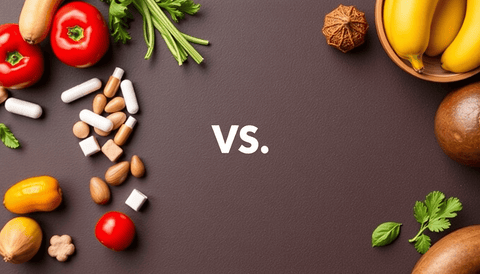
Ontdek hoe volle voedingsmiddelen gerelateerd zijn aan je gezondheid, energie en welzijn vandaag. Deze pagina richt zich op de voordelen van volle voedingsmiddelen—wat deze uitdrukking betekent in onderzoek en in het dagelijks leven, en hoe je er met duidelijke criteria naar kunt kijken. We bekijken hoe wetenschappers het onderwerp bespreken en wat het kan betekenen voor je dagelijkse keuzes, zonder te vertrouwen op hype of onbevestigde beweringen. De focus ligt op het begrijpen van het concept zodat je informatie zelfverzekerd kunt beoordelen. Praktische tips: Begin met een eenvoudig raamwerk dat de principes van volle voedingsmiddelen benadrukt. Plan maaltijden consistent, houd een eenvoudige routine aan en richt je omgeving zo in dat gezonde keuzes gemakkelijk worden. Probeer lekkere ideeën toe te voegen die aansluiten bij je voorkeuren en die je in de loop van de tijd kunt aanpassen. De nadruk ligt op praktische toepasbaarheid, niet op perfectie, en op het vinden van sjablonen die bij jouw levensstijl passen. Wetenschappelijk onderbouwde voordelen: De uitdrukking 'voordelen van volle voedingsmiddelen' komt in onderzoeksdiscussies voor als een manier om mogelijke verbanden samen te vatten, samen met belangrijke kanttekeningen over studieontwerpen en generaliseerbaarheid. Bij het onderzoeken van dit onderwerp, moet je letten op de bron, context en beperkingen, en erkennen dat resultaten kunnen verschillen tussen personen en situaties. Deze pagina streeft ernaar een evenwichtig beeld te geven dat je helpt informatie te evalueren in plaats van definitieve beweringen te doen. Volgende stappen: Gebruik een eenvoudig beginplan om de voordelen van volle voedingsmiddelen in je routine te verkennen. Stel een concreet, meetbaar doel, houd je ervaringen bij en pas aan waar nodig. Zoek betrouwbare bronnen, vergelijk perspectieven en blijf nieuwsgierig. Door je te richten op geïnformeerde verkenning, kun je de voordelen van volle voedingsmiddelen met helderheid en duurzaamheid benaderen vandaag.
Voordelen van Volkorenvoeding: Verhoog vandaag nog je Gezondheid, Energie en Welzijn
Whole foods are the foundation of many healthy eating patterns. This guide explores what whole foods are, why they are important, and how you can incorporate more of them into your daily life. It provides a high-level overview of the topic, helping you understand the key concepts before diving deeper into specific questions.
What Are Whole Foods?
Whole foods are generally defined as foods that have been minimally processedand remain close to their natural state. They are free from added sugars, artificial ingredients, and refined grains. Common examples include:
- Fresh fruits and vegetables
- Whole grains like oats, brown rice, quinoa
- Legumes such as beans, lentils, chickpeas
- Nuts and seeds
- Lean proteins like fish, poultry, and eggs
The key distinction between whole foods and processed foods lies in the degree of processing. Processing can involve refining grains, adding preservatives, or stripping away natural fiber and nutrients. By focusing on whole foods, you naturally increase your intake of beneficial nutrients while reducing less desirable additives.
Why Are Whole Foods Important for Health?
Research on dietary patterns consistently highlights the potential benefits of a diet rich in whole foods. These benefits are often discussed in the context of overall wellness rather than any single food. A whole-foods approach is generally associated with:
- A higher intake of essential vitamins, minerals, and antioxidants
- An increased consumption of dietary fiber, which supports digestive health
- A natural balance of macronutrients like carbohydrates, proteins, and fats
- A lower intake of added sugars, sodium, and unhealthy fats
It is important to understand that these benefits are part of a complex picture. Factors like genetics, physical activity, sleep, and stress management also play significant roles in overall health. Nutrition scientists study these connections carefully, recognizing that outcomes can vary across individuals.
Whole Foods vs. Processed Foods: A High-Level Comparison
The distinction between whole and processed foods is central to understanding nutrition advice. While whole foods are minimally altered, processed foods often undergo significant changes that affect their nutritional profile.
Highly processed foods, such as sugary drinks, packaged snacks, and fast food, tend to be energy-dense but nutrient-poor. They often contain refined flours, added sugars, unhealthy fats, and high levels of sodium. In contrast, whole foods provide a complex matrix of nutrients that work together. Research often links dietary patterns rich in whole foods with better markers of heart health, blood sugar management, and gut function, while diets high in ultra-processed foods are more frequently studied in connection with less favorable outcomes.
This comparison underscores why many nutritional guidelines emphasize whole foods as the basis of a healthy diet. However, it is also important to acknowledge that not all processed foods are harmful. For example, frozen vegetables or canned beans can be convenient and nutritious options that still support a whole-food-based diet.
Key Nutrients Found in Whole Foods
Whole foods are naturally rich in a wide array of nutrients. Understanding these nutrients can help you appreciate why whole foods are so often recommended. Key examples include:
- Vitamins such as vitamin C, B vitamins, and vitamin E
- Minerals like magnesium, potassium, calcium, and zinc
- Dietary fiber for digestive health
- Phytonutrients, which are beneficial plant compounds with antioxidant properties
- Healthy fats, obtained from sources like avocados, nuts, and oily fish
This nutrient density is one reason why whole foods are considered so valuable for supporting general wellness. For example, leafy greens are a source of vitamins and minerals, while berries provide antioxidants. Oily fish offers omega-3 fatty acids, and legumes provide plant-based protein and fiber.
Common Questions About Whole Foods
Many people have specific questions about how whole foods fit into their lives. Here are concise answers to some common broad questions.
What Happens to Your Body If You Only Eat Whole Foods?
Adopting a diet exclusively composed of whole foods would likely increase your intake of fiber, vitamins, and minerals while reducing added sugars and unhealthy fats. For many people, this could lead to improved digestion, more stable energy levels, and better overall dietary quality. However, it is important to plan such a diet carefully to ensure you meet all your nutritional needs, particularly for nutrients like vitamin B12, iron, and omega-3 fatty acids. A balanced approach is always recommended.
What Is the Healthiest Whole Food You Can Eat?
There is no single "healthiest" whole food. Each food offers a unique combination of nutrients. A varied diet that includes a wide range of colorful vegetables, fruits, whole grains, legumes, nuts, seeds, and lean proteins is generally considered the most beneficial. Rather than focusing on one item, consider building your meals around diversity.
Do Whole Foods Make You Feel Better?
Many people report feeling better when they consistently eat whole foods. This may be due to the combination of stable blood sugar from fiber-rich foods, better hydration from high-water-content fruits and vegetables, and the absence of energy crashes associated with sugary processed snacks. Individual experiences can vary, but the overall pattern is generally positive.
How to Start Incorporating More Whole Foods
Transitioning to a whole-food-focused diet can be simple and enjoyable. The key is to start small and build sustainable habits. Here are some practical steps:
- Start with breakfast: Swap sugary cereals for oatmeal topped with berries and nuts.
- Make half your plate vegetables at lunch and dinner.
- Choose whole fruit over fruit juice or dried fruit snacks.
- Snack on nuts, seeds, or fresh vegetables with hummus.
- Drink water or herbal tea instead of sugary beverages.
Remember, the goal is progress, not perfection. Gradually incorporating more whole foods into your routine is amore sustainable approach than making drastic changes overnight. Planning your meals ahead can also help you make consistent choices.
Supplements and Whole Foods: How They Relate
A diet rich in whole foods is the best way to obtain essential nutrients naturally. However, supplements can play a beneficial role in addressing specific nutritional gaps or supporting particular health goals. It is important to view supplements as complements to, not replacements for, a healthy diet.
For instance, people who follow strict vegan diets might consider a vitamin B12 supplement, as this nutrient is found naturally primarily in animal products. Similarly, in regions with limited sunlight, a vitamin D supplement may be helpful. When considering supplements, it is wise to focus on quality and appropriate dosage. For a broad range of nutritional supplements, you can explore the Topvitamine natural supplements collection. If you are interested in specific vitamins, pages like our vitamin C guide can provide more detailed information.
It's always a good idea to consult with a healthcare professional before starting any new supplement, especially if you have underlying health conditions or are taking medication.
Important Considerations for Healthy Eating
While focusing on whole foods isa powerful strategy, it is equally important to maintain a balanced perspective. A healthy diet is about overall patterns over time, not about any single meal or food. Here are a few broader considerations:
- Variety is crucial: Different foods provide different nutrients, so eat a rainbow of fruits and vegetables.
- Hydration matters: Water is essential for every bodily function. Sometimes thirst is mistaken for hunger.
- Mindful eating: Pay attention to hunger cues and savor your food without distractions.
- Balance and moderation: It is okay to enjoy treats occasionally. A rigid approach can be unsustainable.
For more specific information on nutrients often discussed within a whole-foods context, you might find our guides on superfoods or probiotics and prebiotics helpful as you explore topics related to gut health and overall nutrition.
Exploring the Topic Further
This guide provides a high-level overview of the benefits and practical aspects of whole foods. For deeper dives into specific questions, such as the effects of whole-food-only diets, comparisons of particular foods, or detailed meal planning, explore the related articles listed on this page. Each article addresses a more specific aspect of the topic, helping you build a comprehensive understanding.
Remember, nutrition is a personal journey. What works for one person may not be ideal for another. Use this information as a foundation, consult reliable sources, and consider working with a healthcare professional or registered dietitian to create a plan that best supports your individual health needs.