
Ontdek de beste magnesiumrijke voedingsmiddelen via een beknopte, gebruiksvriendelijke gids. Deze pagina richt zich op het zoekwoord beste magnesiumrijke voedingsmiddelen en heeft als doel een helder overzicht te bieden van wat kwalificeert als topopties. Je vindt een kader opgebouwd rond 15 snelle, smakelijke manieren om deze opties in je dagelijkse routine op te nemen, met de nadruk op eenvoudige keuzes en praktische ideeën. Elk onderdeel belicht gemakkelijke keuzes en snelle ideeën om je te helpen maaltijden of snacks rondom de beste magnesiumrijke voedingsmiddelen te plannen. De focus ligt op eenvoud, variëteit en toegankelijkheid—zodat je kunt mixen en matchen volgens je voorkeuren en schema. Door te richten op praktische details in plaats van brede beweringen, blijft de gids gericht op hoe je deze opties kunt identificeren en gebruiken. De navigatie is ontworpen om intuïtief te zijn, waardoor het gemakkelijk is om ideeën te scannen, vergelijken en op te slaan. De inhoud vermijdt onbevestigde uitspraken en blijft bij neutrale beschrijvingen, zodat lezers een betrouwbaar beeld krijgen van wat onder de categorie beste magnesiumrijke voedingsmiddelen valt. Zoek naar tips over het vinden van bronnen, vervangingen en voorbereidingssuggesties die aansluiten bij jouw smaak. Ben je nieuwsgierig om meer te leren? Klik om de volledige lijst te verkennen en ontdek de 15 snelle, smakelijke manieren waarop de beste magnesiumrijke voedingsmiddelen in jouw dag passen. Deze pagina is ontworpen om geïnformeerde keuzes te ondersteunen en een soepele leeservaring te bieden, met beknopte uitleg en praktische volgende stappen.
Beste Magnesium Voedingsmiddelen: 15 Snelle, Smakelijke Manieren om Vandaag Nog Je Gezondheid te Verbeteren
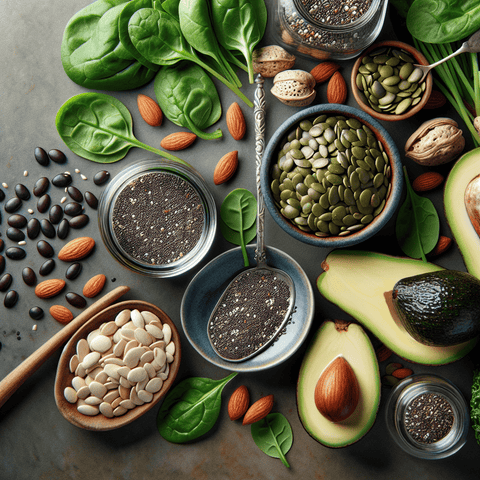
Magnesium is an essential mineral that plays a role in many normal body processes, including those related to muscles, nerves and energy metabolism. Because the body cannot produce magnesium itself, it has to come from food, drink or supplements. That is why so many people look for the best magnesium foods: knowing which ingredients naturally contain magnesium makes it easier to build meals around a balanced, varied diet.
This page is the starting point for the whole topic of magnesium in food. Below you will find a broad overview of which food groups are typically richest in magnesium, how everyday choices can add up across the day, where supplements fit in, and concise answers to the questions people ask most often. More specific comparisons and food-by-food questions are explored in the individual articles collected under this tag.
What Are the Best Magnesium Foods?
There is no single best magnesium food. Dietary guidance generally points to whole food groups that are naturally rich in magnesium, and eating a variety of them is the most common way people obtain magnesium through their diet. The most widely recognized magnesium-rich food groups include:
- Leafy green vegetables, such as spinach, kale and Swiss chard
- Nuts and seeds, including almonds, cashews and pumpkin seeds
- Whole grains, such as oats, brown rice and whole wheat
- Legumes, including beans, lentils and chickpeas
- Certain fruits, such as bananas, avocados and dried figs
- Dark chocolate and cocoa
- Some types of fish
- Some mineral waters
Many of these ingredients overlap with foods often described as nutrient-dense. If you enjoy exploring this side of nutrition, our superfoods guide takes a broader look at foods valued for their nutrient content and how they fit into a balanced diet.
How to Get Enough Magnesium Each Day
A common question is how to get 100% of your daily magnesium. There is no single universal number, because daily magnesium needs vary with age, sex and life stage. Rather than relying on one standout ingredient, most dietary guidance emphasizes variety: spreading magnesium-containing foods across your meals and snacks is a practical way to work toward your daily total.
- Build meals around whole grains, legumes or leafy greens where you can
- Snack on nuts and seeds, or sprinkle them over yogurt, salads or porridge
- Add fruits such as bananas to breakfast or keep them handy as a portable snack
- Cook with beans, lentils or chickpeas regularly, including in soups and salads
- Check food labels if you want a clearer picture of what you are eating
No single food does the whole job on its own, so the overall pattern matters more than any one choice. If you are unsure how much magnesium you personally need, or whether your diet is meeting it, a doctor or registered dietitian can offer advice tailored to your situation. Drinks can also make a contribution — the frequently asked questions below cover which ones tend to contain magnesium.
Food Sources and Magnesium Supplements
For most people, food is the natural first place to look for magnesium, because magnesium-rich foods usually come packaged with other nutrients as part of a broader dietary pattern. Whole foods also make it easier to build eating habits that support overall diet quality, not just a single nutrient.
Magnesium supplements offer a more concentrated option and are widely used alongside — rather than instead of — a varied diet. If you want to explore this route, our magnesium supplements collection is a good place to start. The right choice depends on your diet, lifestyle and personal circumstances, and anyone considering a supplement may find it helpful to speak with a healthcare professional first, especially if they take medication or have an underlying health condition.
Frequently Asked Questions About Magnesium in Food
Here are concise, general answers to some of the questions people most often ask about magnesium from food. The articles listed under this tag explore these themes in more detail.
How can I get 100% of my daily magnesium?
Because daily magnesium needs vary with age, sex and life stage, there is no universal target that applies to everyone. The approach most dietary guidance recommends is variety: combining leafy greens, nuts, seeds, whole grains and legumes across the day so that several modest contributions add up. If you want advice on your own intake, consult a doctor or registered dietitian.
Is a banana a day enough magnesium?
Bananas do contain magnesium, and eating one a day can be a helpful contribution. On its own, however, a single banana is generally not considered enough to cover most adults' daily magnesium needs. Bananas work best as one part of a varied, magnesium-rich diet rather than as a complete solution.
What drink is high in magnesium?
Smoothies built around magnesium-containing ingredients — such as leafy greens, nuts, seeds or bananas — are among the most practical magnesium-friendly drinks. Some mineral waters also naturally contain magnesium, though levels vary considerably between brands and sources. No single drink replaces a varied diet, but drinks can make a useful contribution to your daily intake.
What do you crave if your magnesium is low?
Cravings are sometimes mentioned online as a possible sign of low magnesium, but cravings alone are not a reliable indicator of your magnesium status. If you are worried about your levels or notice persistent symptoms, it is best to speak with a doctor or qualified healthcare professional rather than self-diagnosing.
Exploring Magnesium in Food Further
The best magnesium foods are ultimately the ones that fit your tastes, routine and overall diet. Use this page as a map of the topic, then explore the individual articles under this tag for specific foods, meal ideas and detailed comparisons. If you would like to see magnesium in a wider nutritional context, our mineral supplements guide offers a broad look at other essential minerals, including zinc, selenium and iron.