
Ontdek bewezen supplementen voor het snel opbouwen van mager spierweefsel. Evidence-based keuzes, doseringstips, veiligheidspunten om de winst te maximaliseren. Deze gids syntheseert de beste supplementen voor spiergroei op basis van het actuele bewijs, met focus op duidelijke doseringsbereiken, praktische gebruikstips en veiligheidsaspecten. Het doel is om je te helpen opties te vergelijken op een manier die gebaseerd is op onderzoek, terwijl je de nadruk behoudt op consequent trainen en je algemene doelen. Belangrijke keuzes voor de beste supplementen voor spiergroei zijn onder meer creatine monohydraat, eiwitshakes (zoals whey of caseïne blends), beta-alanine en HMB. Creatine monohydraat heeft een van de sterkste onderzoeksachtergronden; gangbare doseringen in studies zijn 3-5 g per dag, met een laadfase (ongeveer 20 g per dag verdeeld over vier doses) die in sommige protocollen wordt gebruikt gedurende de eerste 5-7 dagen. Eiwitshakes worden gebruikt om de dagelijkse eiwitdoelen te halen; standaard porties leveren 20-40 g eiwit per portie en worden geïntegreerd in de dagelijkse routine om de totale inname te bereiken. Beta-alanine wordt onderzocht vanwege de additionele effecten in bepaalde trainingscontexten, met standaard dagelijkse doses rond de 2-5 g en incidenteel een tintelend gevoel als potentieel bijwerking. HMB wordt in diverse studies onderzocht, met een gebruikelijke dosis van 3 g per dag over meerdere weken. Doseringstips en gebruiksrichtlijnen: begin met de ondergrens van de aanbevolen ranges om de tolerantie te peilen, en verdeel de doses over de dag in plaats van alles ineens te gebruiken. Als je meerdere opties combineert, introduceer dan één nieuw element tegelijk om de reacties goed te kunnen volgen. Bij creatine is consistente dagelijkse inname belangrijker dan timing; voor eiwitshakes stem de porties af op je trainingsschema en je totale dagelijkse doel. Als je bestaande medische aandoeningen hebt of medicijnen gebruikt, raadpleeg dan een zorgprofessional voordat je met supplementen begint. Veiligheid en kwaliteitscontrole: kies producten van merken die duidelijk ingrediënten vermelden en die third-party tests (zoals onafhankelijke certificeringen) uitvoeren om zuiverheid te waarborgen. Wees voorzichtig met producten met onopgegeven ingrediënten, overdreven stimulerend mengsels of claims die snelle, dramatische resultaten beloven. Zoek naar duidelijke doseringsinformatie, batchcodes en vervaldatums. Vermijd gebruik tijdens zwangerschap en borstvoeding tenzij geadviseerd door een arts, en wees alert op mogelijke interacties met andere supplementen of medicijnen.
Beste supplementen voor spieropbouw: Snel spiermassa opbouwen
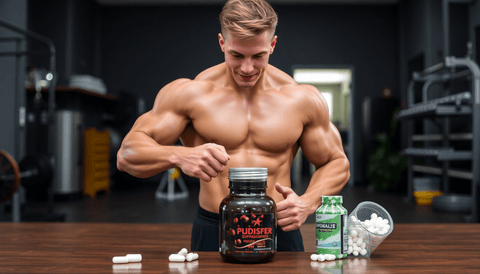
When you're focused on gaining muscle, you likely want to know which supplements are worth your time and money. The world of sports nutrition is vast, and it can be difficult to separate evidence-based options from clever marketing. This guide provides a broad overview of the best supplements for muscle gain, focusing on what is currently supported by research, how to use them, and important safety considerations. The goal here is to help you navigate the options so you can make informed decisions as part of a structured training and nutrition plan.
The Core Four: Supplements with the Most Support
While many products claim to boost muscle growth, a few have accumulated a strong body of research. When people ask, "What is the best supplement to build muscle?" or "What is the most effective supplement for building muscle?", the answers typically point to these core four. They work through different mechanisms, and it's common for people to use them in combination.
Creatine Monohydrate
Creatine monohydrate is arguably the most studied supplement for performance and muscle gain. It helps your body produce more ATP, the primary energy currency for short, intense bursts of activity like weightlifting. This can allow you to perform more reps or lift slightly heavier weights, which over time can contribute to greater muscle growth. The most common daily dose is 3–5 grams. Some people choose to "load" with a higher dose of around 20 grams per day (split into four 5-gram doses) for the first 5–7 days to saturate muscles more quickly, though daily intake is what matters most for long-term benefits.
Protein Supplements
Protein is the building block of muscle tissue, and protein supplements are a convenient way to help meet your daily protein needs. Whey protein is popular for its fast absorption, while casein digests more slowly, making it a common choice before bed. A typical serving provides 20 to 40 grams of protein. These are not inherently superior to getting protein from whole foods, but they can be practical for hitting your total daily target, especially around a workout or on busy days. The primary goal is to reach your overall daily protein intake from a combination of food and supplements.
Beta-Alanine
Beta-alanine is an amino acid that helps buffer acid in your muscles, which may reduce fatigue during high-intensity exercise. This can be beneficial for training sessions that last 60 to 240 seconds, potentially allowing you to maintain a higher training volume. The standard daily dose is 2 to 5 grams, often taken consistently. A common and harmless side effect is a tingling sensation on the skin, known as paresthesia, which is not dangerous but can be surprising for first-time users.
HMB (Beta-Hydroxy Beta-Methylbutyrate)
HMB is a metabolite of the amino acid leucine, which is known for its role in muscle protein synthesis. Some studies suggest HMB may help reduce muscle protein breakdown, particularly in individuals who are new to training. A typical dose is 3 grams per day, taken over several weeks. It is often considered in the same category as creatine and protein, though the evidence base is different and may be more relevant for specific populations or training phases.
Practical Dosing and Usage Tips
Understanding how to take these supplements can make them more effective and help you avoid common mistakes. Here are some general principles to guide you.
- Start with the lower end of the recommended dose range to gauge your individual tolerance before moving toward the higher end.
- For supplements taken in larger doses, like creatine or beta-alanine, consider splitting the total into smaller portions taken at different times of the day to improve absorption and minimize potential stomach upset.
- When introducing a new supplement, add it to your routine one at a time. This makes it easier to track how your body responds and identify any potential issues.
- Consistency is key. For creatine, taking a daily dose is more important than aligning it with your workout. For protein, aim to spread your intake across the day to meet your total protein target.
- Supplements are an addition to your diet, not a substitute for it. Ensure your overall calorie and protein intake are aligned with your muscle-building goals.
Understanding the Broader Supplement Landscape
Beyond the core four, there are other categories of supplements that people often consider for muscle gain. While they may not have the same volume of evidence as creatine or protein, they play a role in general health and performance. For instance, branched-chain amino acids (BCAAs) are often used, although their benefits are less clear if you are already consuming enough total protein. Similarly, ensuring you have adequate levels of key vitamins and minerals is crucial for overall health and energy metabolism, which indirectly supports your training. For a broader look at these foundational nutrients, you might find our multivitamins guide useful. Also, minerals like magnesium play a role in muscle function and recovery, and you can learn more in our magnesium category.
Quality, Safety, and Choosing a Supplement
Not all supplements are created equal. Quality and safety should be your top priorities when selecting a product. The supplement industry is not as tightly regulated as the pharmaceutical industry, so a degree of diligence is necessary.
- Choose products from brands that openly publish their ingredient lists and dosages. Look for certifications from independent third-party testing organizations, which help verify that the product contains what is on the label and is free from harmful contaminants.
- Be wary of "proprietary blends" that hide individual ingredient doses, as well as products with undisclosed ingredients or excessive stimulant blends that could cause undesirable side effects.
- Avoid products with overblown marketing claims that promise rapid, dramatic results. Real progress comes from consistent training and nutrition; supplements are just a small piece of the puzzle.
- Always look for clear dosage information, batch codes, and expiration dates on the product packaging. This ensures you are using a fresh, traceable product.
Safety First: Who Should Be Cautious?
While the supplements discussed here are generally considered safe for healthy adults, certain groups should be more cautious. If you have pre-existing medical conditions, such as kidney or liver issues, or you are taking prescription medications, it is essential to consult a healthcare professional before starting any new supplement. This general guidance is not a substitute for personalized medical advice. Furthermore, avoid using these supplements during pregnancy or lactation unless you have been explicitly advised to do so by a clinician. It is always wise to be aware of potential interactions between supplements and medications, and to discuss your full supplement regimen with your doctor.
Exploring Further: Navigating the Topic
This guide provides the high-level map of the best supplements for muscle gain. To make the most of this information, consider it a foundation. You can dive deeper into specific aspects of this topic through our dedicated articles and resources. For example, you may want to explore the specifics of amino acid supplements or find a broader collection of sports supplements to see what else is available. By understanding the core principles and combining them with more detailed information, you can build a supplement strategy that genuinely supports your hard work in the gym.