
Ontdek de wetenschap achter vitamines voor haargroei. Deze pagina onderzoekt hoe onderzoekers de vraag benaderen welke vitamines het beste zijn voor het haar en wat bewijs daadwerkelijk aangeeft. In plaats van sensationele claims richt de discussie zich op hoe vitamines verband houden met de biologie van de haarfollikel en de methoden die wetenschappers gebruiken om hun effecten te testen. Voor veel mensen begint de beslissing over supplementen met het begrijpen dat er geen universeel antwoord is, en dat uitkomsten afhangen van de individuele biologie, de basale voedingsstatus en het onderzoeksontwerp. Door te kijken naar gerandomiseerde onderzoeken, observationele gegevens en veiligheidsinformatie, kun je beoordelen wat waarschijnlijk relevant is voor jouw situatie bij het overwegen van de beste vitamines voor het haar. Bewijs rond de beste vitamines voor haar richt zich vaak op een kleine groep voedingsstoffen die regelmatig worden bestudeerd, zoals bepaalde B-vitamines, vitamine D en mineralen zoals ijzer en zink. Bij mensen met een tekort kan suppletie correleren met gemeten veranderingen in haar-gerelateerde uitkomsten in sommige studies; bij degenen zonder tekort zijn de resultaten minder consistent. Over het algemeen toont de literatuur dat het innemen van vitamines zonder een tekort niet uniform resulteert in dikker of glanzender haar bij populaties. Deze nuance is belangrijk bij het evalueren van productclaims en het beslissen of je supplementen wilt gebruiken. Praktische richtlijnen voor het identificeren van de beste vitamines voor haar zijn gebaseerd op bewijs in plaats van hype. Begin met een arts of een labonderzoek om te bepalen of je een tekort hebt dat met supplementen kan worden behandeld. Bij het kiezen van producten is transparantie essentieel: duidelijke ingrediëntenlijsten, vermelde doseringen en tests door derden (USP, NSF, of gelijkwaardig). Vermijd megadoses die de vastgestelde veiligheidsrichtlijnen overschrijden, en wees bewust van interacties met medicijnen. Onthoud dat de kwaliteit en stabiliteit van supplementen belangrijk zijn, en dat bewijs van voordeel voor de algemene bevolking beperkt blijft. Naast suppletie is het stellen van realistische verwachtingen onderdeel van evidence-based haarverzorging. De beste vitamines voor haar hangen in veel gevallen af van de individuele voedingsstatus in plaats van een universele oplossing. Als je supplementen gaat gebruiken, doe dat dan onder professionele begeleiding en met een plan om voedingstekorten in de loop van de tijd opnieuw te controleren. Deze op bewijs gebaseerde aanpak helpt je om marketingclaims te onderscheiden van wat de huidige wetenschap redelijk ondersteunt terwijl je de wetenschap achter vitamines voor haargroei verkent.
Beste vitamines voor haargroei: De ultieme gids voor dikker, glanzender en gezonder haar
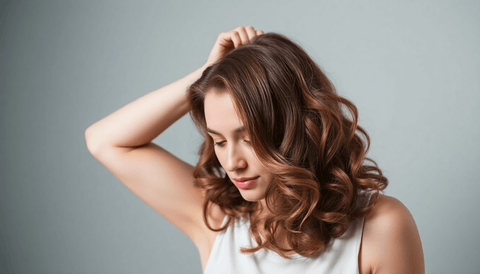
Many people explore supplements in search of advice on best vitamins for hair health. This page provides a broad overview of the topic, explaining how vitamins relate to the biology of the hair follicle, what the science says about specific nutrients, and how to approach supplementation in a safe and evidence-based way. Instead of focusing on sensational claims, we will examine the key nutrients involved, the importance of deficiencies, and practical considerations for anyone thinking about adding supplements to their routine.
What are the Best Vitamins for Hair Growth?
When people ask, "What are the best vitamins for hair?" they are often looking for a straightforward list. However, the scientific reality is more nuanced. Vitamins do not directly cause hair to grow faster in the way a key turns an engine. Instead, they serve as essential co-factors in various biological processes, including cellular energy production, protein synthesis, and immune function, all of which create the foundation for healthy hair growth.
The evidence strongly suggests that the most significant impact from supplementation occurs when a person has a baseline deficiency in a particular nutrient. In such cases, correcting that deficiency can support a return to normal hair function. For individuals without a deficiency, taking extra vitamins is unlikely to produce dramatic changes in hair thickness or growth rate.
Key Vitamins and Nutrients for Hair Support
The nutrients listed below are frequently discussed in the context of hair health. Each plays a distinct role in the body, and deficiencies in these areas have been linked to hair issues in clinical research.
- B-Vitamins (including Biotin, B12, and Folate): These are crucial for cellular energy production and the metabolism of amino acids, the building blocks of hair protein (keratin).
- Vitamin D: Receptors for vitamin D are present in hair follicles, and low levels have been linked to hair thinning in some observational studies.
- Iron: Iron deficiency is one of the most common nutritional deficiencies worldwide and is a well-known factor in hair loss, particularly in women.
- Zinc: This mineral is essential for tissue growth and repair, including the hair follicles. Zinc deficiency can lead to hair shedding.
- Vitamin C: An antioxidant that helps protect hair follicle cells from oxidative stress. It is also vital for the production of collagen and for the absorption of iron from plant-based foods.
A balanced diet is the best way to obtain these essential nutrients food sources. For a broader overview of dietary nutrients, you can explore our collection on natural food supplements.
Biotin: The Most Popular Choice
Biotin, a water-soluble B-vitamin, is arguably the most popular supplement marketed for hair, skin, and nail health. It is involved in the production of keratin, a key structural protein for hair. While biotin deficiency is rare, it can cause hair thinning and brittle nails. Most clinical evidence points to biotin being effective for hair growth primarily in instances of a confirmed deficiency. For others, a biotin supplement is not typically seen as harmful, but the expected benefits may be limited.
Uncovering Hair Loss: What Supplements Can and Cannot Do
A frequent question is: "What vitamins am I lacking if my hair is falling out?" It is important to understand that hair loss is a complex condition with many potential causes. While a nutritional deficiency is one possible factor, other causes can include genetics, hormonal shifts, stress, and medical conditions. Supplements can only be part of the answer if a deficiency is present. They are not a universal treatment for all types of hair loss.
The "big 3" for thinning hair, as often referenced, usually points to iron, vitamin D, and biotin. This is because these are among the most common nutritional deficiencies associated with various forms of hair loss. However, it is critical to not self-diagnose. A doctor can perform blood tests to accurately determine your nutrient levels and help you identify the root cause of your hair concern. Attempting to treat a condition without knowing the cause can lead to frustration and missed opportunities for effective treatment.
Choosing the Right Supplement and Dosage
If you and your healthcare provider have determined that a dietary deficiency is contributing to your hair issues, choosing the right supplement is crucial. The market is saturated with options, but a few key principles can help guide your selection.
- Check the Label: Look for products with clear ingredient lists and stated dosages for each nutrient. A proprietary blend that hides the exact amounts of individual ingredients is a red flag.
- Third-Party Testing: Look for seals from organizations like USP, NSF, or ConsumerLab. These certifications indicate the product has been independently verified for quality and purity.
- Safety First: Be wary of "megadoses" that far exceed the established Daily Value (DV) or Tolerable Upper Intake Level (UL) for a nutrient. High doses of certain vitamins and minerals can lead to toxicity and adverse effects.
A general guide to supplement categories like those in our Vitamin B range or the mineral supplements guide can provide more specific insights.
The Role of Diet and Next Steps
Taking a supplement is not a substitute for a poor diet. A Mediterranean-style diet, rich in whole foods, healthy fats, and antioxidants, supports overall health and provides the nutrients needed for hair growth in their most bioavailable forms. Think of food as the foundation of your nutrition; supplements are intended to fill specific gaps, not to replace whole foods.
If you have concerns about hair loss for hair thinning, your first step should always be to consult a healthcare professional. A balanced approach that combines medical evaluation, nutritional assessment, and a high-quality, balanced diet is the most effective and safest way to address hair health.