Ondersteuning voor botgezondheid: Versterk de botten & voorkom fracture


Ontdek hoe je door een holistische aanpak duurzame ondersteuning voor botgezondheid kunt opbouwen, waarbij voedingsplanning, beweging en dagelijkse gewoonten worden gecombineerd. Deze pagina schetst een praktische kaders die door experts wordt gebruikt om de voortdurende botgezondheid te ondersteunen, met nadruk op consistentie, veiligheid en personalisatie. Door de ondersteuning van de botgezondheid als een levendige praktijk te behandelen—een die je aanpast aan veranderende behoeften—kun je veelvoorkomende risico's aanpakken en een stabiele routine opbouwen in de loop van de tijd. Voeding is een fundament voor ondersteuning van de botgezondheid. Werk samen met een gekwalificeerde professional om een plan te bespreken dat rekening houdt met je voorkeuren en beperkingen, terwijl het aansluit bij je algemene doelen. Hier behandelen we algemene principes zoals balans, regelmatige evaluatie van je plan en doordachte overweging van versterkte producten onder professionele begeleiding. Het doel is om een duurzame voedingsstrategie te ontwikkelen die jouw ondersteuningsdoelen voor de botgezondheid ondersteunt. Beweging en lichaamsbeweging vormen een ander essentieel onderdeel van de ondersteuning van de botgezondheid. In dit gedeelte worden verschillende opties beschreven die geschikt zijn voor verschillende fitnessniveaus en veiligheidsaspecten, inclusief benaderingen die nadruk leggen op coördinatie, houding en functioneel vermogen. Voor het beste resultaat, vraag begeleiding van een gekwalificeerde trainer of fysiotherapeut om een plan op maat te maken dat bij jouw leven past en voortdurende ondersteuning van de botgezondheid waarborgt. Levensstijl- en omgevingsfactoren beïnvloeden ook de ondersteuning van de botgezondheid. Praktische stappen zijn onder andere het opbouwen van routines, het creëren van veiligere thuis- en activiteitsomgevingen, en prioriteit geven aan slaap en stressmanagement. Door je te richten op dagelijkse patronen en verantwoording af te leggen, kun je de voortgang in je ondersteuningsreis voor de botgezondheid behouden en samenwerken met professionals om de vooruitgang te monitoren en waar nodig aan te passen.


10 Best Supplements for Women Over 40 - Topvitamine
Apr 22, 2026
De beste supplementen voor vrouwen boven de 40 zijn vitamine D3 met K2, magnesium, omega-3 (EPA/DHA), een vitamine B-complex, calcium, collageenpeptiden, probiotica, prebiotische vezels en adaptogenen. In deze gids lees je per supplement wat het doet, welke ADH-waarden er gelden en waarom de behoefte tijdens de overgang verandert. Ook vind je kooptips, een vergelijkingstabel met voedingsbronnen en antwoorden op veelgestelde vragen over de multivitamine voor vrouwen.
Does vitamin K2 reduce belly fat? - Topvitamine
Jan 25, 2026
Vitamine K2 is belangrijk voor de normale botstofwisseling, maar er is geen overtuigend bewijs dat K2 op zichzelf buikvet vermindert. In dit artikel lees je wat K2 doet, hoe het samenhangt met calcium en botgezondheid en welke voedingsmiddelen bijdragen aan sterke botten. Ook bespreken we vitamine D, beweging, supplementkeuze en aandachtspunten bij het gebruik van bloedverdunners.
What is the relationship between vitamin D and magnesium? - Topvitamine
Oct 16, 2025
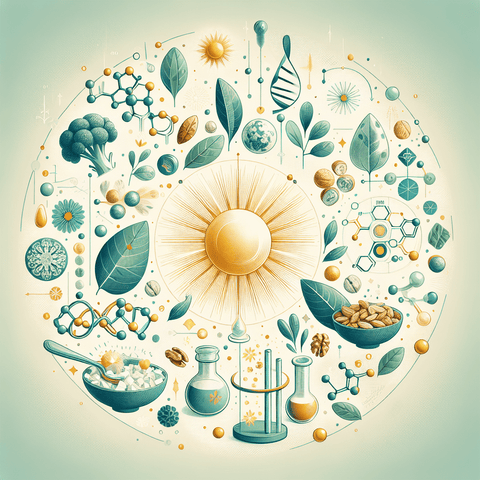
Vitamine D en magnesium werken samen bij processen rond calcium, spieren en botten. Vitamine D helpt bij de opname van calcium, terwijl magnesium betrokken is bij de omzetting en benutting van vitamine D. In dit artikel lees je welke voedingsmiddelen passen bij botgezondheid, wanneer een supplement kan worden overwogen en welke veiligheidsaspecten belangrijk zijn.

Bone health support is a broad topic that covers the nutrients, lifestyle choices, and daily habits that help maintain strong, resilient bones throughout life. Bones are not static—they are living tissue that constantly rebuilds, and their health depends on a steady supply of key vitamins and minerals, along with regular physical activity. This guide provides an overview of the major factors involved in bone health, from nutrition to exercise, and introduces the types of supplements that may be part of a supportive approach.

What Is Bone Health?

Bone health refers to the overall strength and density of your skeleton. Bones provide structural support, protect internal organs, and serve as a reservoir for minerals like calcium and phosphate. Maintaining bone health involves ensuring that your body has enough of the raw materials it needs to build and repair bone tissue, as well as adopting habits that promote bone density and reduce the risk of fractures.

Several factors influence bone health, including genetics, age, hormone levels, nutrition, and physical activity. While some of these are beyond your control, many can be positively influenced through diet and lifestyle. Understanding these factors is the first step toward developing a comprehensive approach to bone care.

Key Nutrients for Bone Health

A well-balanced diet provides the foundation for bone health. Several specific nutrients are particularly important for maintaining bone density and strength. Below is an overview of the most significant ones.

Calcium and Vitamin D

Calcium is the primary mineral found in bones. It gives bones their hardness and structure. Vitamin D plays an essential role in helping the body absorb calcium from the digestive tract. Without sufficient vitamin D, even a high-calcium diet may not provide the bones with the mineral they need. Many people obtain vitamin D from sun exposure, but food sources and supplements can also help.

Good dietary sources of calcium include dairy products, leafy green vegetables, and fortified foods such as certain plant milks and cereals. Vitamin D is found in fatty fish, egg yolks, and fortified foods. For some individuals, supplements may be a practical way to ensure adequate intake, especially in winter months or for those with limited sun exposure.

Magnesium and Vitamin K

Magnesium is another mineral that contributes to bone structure. It helps regulate calcium transport and is involved in the activity of cells that build bone. Magnesium is found in nuts, seeds, whole grains, and legumes. Vitamin K, particularly vitamin K2, supports bone health by helping to activate proteins that bind calcium to bone tissue. Leafy greens, fermented foods, and some animal products provide vitamin K.

While these nutrients are often discussed individually, it's important to remember that they work together. A balanced diet that includes a variety of whole foods is the best way to obtain a wide range of bone-supporting nutrients. In some cases, a healthcare professional might recommend a multivitamin or a specific supplement to address gaps.

Lifestyle Factors That Influence Bone Health

In addition to nutrition, lifestyle choices have a significant impact on bone health. Regular physical activity, particularly weight-bearing and resistance exercises, helps stimulate bone formation and slow age-related bone loss. Activities like walking, jogging, dancing, and strength training are all beneficial.

Other habits also matter. Smoking and excessive alcohol consumption are associated with reduced bone density. Conversely, maintaining a healthy body weight and ensuring adequate protein intake support bone strength. Getting enough sleep and managing stress are also important, as chronic stress can affect hormone levels that influence bone metabolism.

Supplementation for Bone Health

While a balanced diet is the ideal source of nutrients, supplements can play a role in supporting bone health for some people. This may include calcium, vitamin D, magnesium, vitamin K, or a combined formulation. It is important to approach supplementation thoughtfully. More is not always better—excessive intake of certain minerals can cause health issues. Always consult a healthcare provider before starting any new supplement, especially if you have existing health conditions or are taking medications.

If you are considering supplements, you can explore a range of options designed to support bone health. For example, you might look at calcium supplements or vitamin D products for more specific information. Additionally, multivitamin options may offer a broader range of nutrients that support overall skeletal health.

Common Questions About Bone Health

When exploring bone health support, several questions often arise. This section provides high-level answers to some common queries, while more detailed topics are covered in dedicated articles.

What Is the Best Supplement for Bone Health?

There is no single “best” supplement for bone health because individual needs vary. However, calcium and vitamin D are among the most studied nutrients for bone support. Some products combine these with magnesium and vitamin K for a more comprehensive approach. The best choice depends on your diet, lifestyle, and any underlying health conditions. Consulting a healthcare provider is recommended to determine what, if anything, you need.

What Are the Best Foods for Strong Bones?

A diet rich in whole foods is generally the best way to support bone health. Dairy products, leafy greens, almonds, tofu, and fortified foods are good sources of calcium. Fatty fish and egg yolks provide vitamin D, while nuts and seeds contribute magnesium. Including a variety of these foods helps ensure you get a range of bone-supporting nutrients.

Exploring Bone Health Further

This tag page provides a broad overview of bone health support, touching on essential nutrients, lifestyle factors, and supplement considerations. For more detailed information on specific aspects, such as the role of particular vitamins or the impact of exercise, you can explore the related articles and resources. Remember that bone health is a lifelong endeavor, and even small, consistent steps can make a meaningful difference.