```json
{
"content": "
Wat is botanische stressondersteuning? Natuurlijke kalmte begrijpen
\n\n
In de snelle wereld van vandaag is het gevoel overwelmed bijna synonyym geworden met het dagelijkse leven. Hoewel af en toe spanning een normale reactie is op een vee exigeerde schema, kan aanhoudende stress stillelijk uw gezondheid onderminen. Dit artigo onderzoekt botanische stressondersteuning, een op de wetensschap gebaseerde benadering om een gevoel van evenwight te bestoréneren. We gaan diep in op it is, hoe it works, and hoe jull voeding- and leifstile strategien kan integrate to build resilience. Our target is to provide jull with the knowledge to make informed decisions for jull welbeinding, from understanding the latest research to knowing what to look for in a highly quality supplement.
\n\n
Botanical Stressondersteuning Definitiv: Meer dan fürz & Krüter
\n
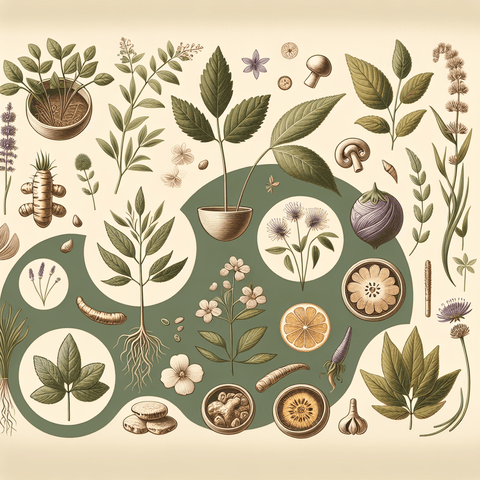
In seine kernne, botanische stressondersteuning refrefert on de use of specific plants, herbs, and their extracts to assist the body in managment and adapting to stress. Anders desede synthetic relaxants that may force a sense of calm, botanicals work synergistically with de body's own systems. They are breed categorised into two main groups: adaptogens and nervinen. Adaptogens like ashwagandha and rhodiola help den die resistance to physical and mental stress, while nervens such as citronenmelisse and kamille directly calm the nervous system, promoting a sense of peace and relaxation .
\n\n
Botanical Key Allies: Ashwagandha, Rhodiola, Zitronenmelisse und Kamille
\n
Several botanical substances have received significant value for their stress-reducing properties, with research supporting their traditional uses. Ashwagandha, a pillar of the Ayur Djeddischen Medizin, is known for its ability to cortison levels lower debsen und wahrgenommene Stress. Rhodiola rosea is a another strong adaptogen, often used to combat tiredness and improve mental performance during stressful period. For immediate calm, Zitronenmelisse and Kamille are gentle but effective nervouss. They work by increasing the activity of GABA, a calming neurotransmitter, which helps reduce anxiety and promotes a pleasant sleep. These botanical herbs, whether used alone or in combination, offer a multifaceted approach to achieving a harmonious mood.
\n\n
The Science of Stress Response: Botanical Effects on the Nervous System
\n
The body's stress defense response, often called the “fight or flight” mechanism, is a complex cascade of hormones. When a threat is perceived, the adrenal glands release cortisol and adrenaline, preparing the body to react. While this is essential for survival, chronic activation keeps the hormones elevated, leading to a state of constant tension. Botanical compounds intervene primarily in the hypothalamic-pituitary-adrenal (HPA) axis, the central controlled system for stress. Adaptogens such as ashwagandha appear to modulate HPA axis activity , reducing excessive cortisol release. The nervines, in turn, increasing the availability of calming neurotransmitter in the brain and effectively turning down the body's stress alarm. This physiological interaction is why botanical support is considered a valuable tool for promoting resilience – rather than simply suppressing the symptoms.
\n\n
Warum ist everyday Stressmanagement wichtig für die Gesunde?
\n
Stress management is not just about feeling better in the moment; it is a critical component of long life health. Everyday stressors, if left untreated, can have a significant physiological wave effect. If you prioritize stress management, you invest in her heart health, digestive functions, immune defenses and sleep quality, and create a safe foundation for overall vitality.
\n\n
The physiological wave effect of chronic stress
\n
When cortisol remains chronic high, it can trigger a cascade of systemic disruptions. It can contribute to high blood pressure, increased inflammation, and weakened immune response. Chronic stress is also associated with digestive issues, as cortisol can alter intestinal mobility and permeability, known as \"leaky gut.\" In addition, elevated cortisol interferes with the sleep cycle, creating a vicious cycle in where poor sleep increases stress, and increased stress makes it more difficult to achieve a restful sleep.
\n\n
Wie unterscheiden sich Adaptogene und Nervine von anderen Entspannungsmitteln?
\n
It is helpful to understand the difference between botanical calming agents and other sleep- and calming aids, such as prescription sedative-hypnotic medications. Prescription sedatives often strongly bind GABA receptors and produce a rapid, intense calming effect, which can lead to dependencies and fatigue during the daytime. In contrast, adaptogens and nervewe offer a more holistic and regulative approach. Nervine support GABA function gently, promoting relaxation without significant impairment. Adaptogens do not induce immediate calm; instead, they enhance the body's ability to handle stress, leading to a stable core mood and energy level over the time. This subtle balancing effect is why many turn to botanicals for daily stress management.
\n\n
Grundlegende Gesundheitsförderung, nicht nur Verdauung
\n
Real stress management is proactive, not reactive. It involves building a sensitive physical reserve that allows the body to handle challenges without crashing. This foundation is built on adequate sleep, regular physical activity, a nutrient rich diet, and the targeted use of botanical adaptogens to strengthen resilience. By focusing on this whole formulation, they move away from the stress-crash-sleep-repeat cycle towards a more sustainable concept of wellbeing.
\n\n
What are the latest signs that stress load is too high?
\n
Recognizing the signs of excessive stress is the first step in taking action. These signs can be mental, emotional, physical, and often interweave a clear picture of an overburdened system. If you notice these signs persisting, it is time to review your stress management strategy.
\n\n
Universal mental and emotional signals (irritability, brain fog, low mood)
\n
Emotional signs of high stress are often the most noticeable. You may feel unusually irritable or short-tempered about minor matters. Brain fog, characterized by difficulty concentrating, forgetfulness and lack of mental clarity is another common complaint. Persistent low mood, dullness and feelings of being overwhelmed can also be a sign that stress is too high. These cognitive and emotional changes are caused by the same hormonal fluctuations that occur during the stress .
\n\n
Common physical signals (sleep disturbance, muscle tension, headaches)
\n
The body often manifests stress in various forms. Sleep disorders – such as difficulty falling asleep, waking up frequently, or waking up unreleased – are typical signs of elevated cortisol. Persistent muscle tension, especially in your neck, shoulders and jaw, is a typical physical response to psychological pressure. Frequent tension headaches or migraines can also be triggered by tight muscles. Additionally, there may be changes in appetite, indigestion, or a decreased resistance to cold, all signs of a systemic impact of stress.
\n\n
Pattern Shifts: How stress manifests itself
\n
It is important to pay attention to pattern changes in your behavior and health. Perhaps you are consuming more caffeine to get through the day or using alcohol in the evening to relax. You may have had little or lack motivation to exercise, or you may be holding back from social activities. These changes, together with the physical and emotional symptoms, indicate a significant imbalance. Understanding that these are interconnected signs of heavy stress load can help you decide when to introduce changes in your lifestyle or to think about botanical support.
\n\n
What contributes to a too high stress level? Common causes and effects.
\n
Modern life presents a unique set of stress factors that can easily overwhelm our natural coping mechanisms. Understanding these causes is essential for developing an effective stress-management plan.
\n\n
Daily environmental noise: Work, digital overload and constant pressure
\n
The constant digital communication in the digital age is a major cause of chronic stress. The pressure to be available 24/7, the flood of information and constant side-by-side in social media all reflect a state of constant alertness. Demanding work duties, long commutes and financial pressures further amplify this “noise” of everyday. This constant, low-grade stress is often more damaging than acute stress because the body does not have the opportunity to recover and return to a balanced state.
\n\n
Lifestyle choices: Caffeine, alcohol and high-intensity choices
\n
Day-to-day decisions play significant role in your stress level. While morning coffee is many rituals, too much caffeine can cause over-stimulation, mimicking and worsening anxiety. Similarly, alcohol can relax you initially, but it disrupts the sleep structure and can increase anxiety after the effect of alcohol. Lack of regular physical activity, and conversely, high-intensity training without sufficient rest, can also burden the HPA axis and contribute burnout.
\n\n
When stress becomes chronic – What does that mean for the body?
\n
When stress is acute, it resolves itself; when it persists, stress becomes chronic. At that point, it is not just psychological, but a physical condition. Chronic stress implies that the HPA axis remains in the 'ON' position, which leads to a constant cortisol. This can lead to the systemic problems mentioned earlier, including metabolic changes, cardiovascular stress, and a state of chronic inflammation. It also leads to a lack of vital nutrients such as magnesium and B vitamins, which are important for a healthy nervous system, which can lead to nutrient deficiency that further impairs the ability to cope with stress.
\n\n
Individual variability: Why Botanical Stress management is not One-Size-Fits-All
\n
There is no single “best” approach to decompression. The individual variability of each means that the response to botanical contributions can be significantly different from others. Factors ranging from genetics to the health of the intestinal flora affect how effects a particular herb has.
\n\n
Genetic and metabolic differences in stress pathway.
\n
Your genetic makeup has a significant impact on how your body processes and responds to plant substances. Differences in genes in the HPA axis or in the liver's detoxification pathways (e.g., cytochrome P450 enzymes) can determine how quickly the body processes compounds such as those from Ashwagandha or Rhodiola. These genetic differences can affect everything from how well substance compounds are absorbed, how pronounced the benefits are. What works effectively for one person may have no effect on another or even cause paradoxical effect.
\n\n
Age, hormonal changes and the gut-brain axis-microbiota
\n
Age and hormonal status play crucial variables. With increasing age, cortisol rhythm can change and the ability to withstand stress may decrease. In women, Fluctuations during menopause or menstrual cycle can influence the perception of stress and the effectiveness of adaptogens. The microbiota-brain-axis also plays a crucial role. The bacteria in the gut produce, the neuro-active compounds, including a large proportion of the body's serotonin. The health of the intestinal bacteria can therefore affect mood and stress resilience. Certain botanical agents may also have pragmatic effects by supporting good bacteria and affects mood regulation indirectly.
\n\n
Why is a personal approach crucial for successful stress reduction?
\n
Given these complexities, an individual approach is essential. That means your specific characteristics, symptoms type, and lifestyle must be taken into account. Some people are “wired” and need calming nervouss like passionflower or lemon balm, while others are exhausted or burnt out and benefit from adaptogens like ashwagandha or Rhodiola. A “one size fits all” approach is likely misses the point. It takes the time to understand your own body and possibly work with specialists, to significantly improve the success of the stress management plan.
\n\n
Food first: Use regular diet and lifestyle to combine with plant-based stress support
\n
Before considering a dietary supplement, it is always prudent to look at your diet and lifestyle. Food provides essential nutrients needed to support the stress response. Supplements can be used affordably and detail-oriented later to fill gaps and provide targeted support.
\n\n
Natural sources: Foods with “stressful botanicals (lemon balm, chamomile, passion flower)
\n
Many of the botanicals used in supplements can also be used in their natural form, especially in teas. A cup of chamomile or lemon balm tea is a simple and ritualistic way to relax the nervous system. Passionflower tea is another good option for relaxation in the evening. In addition to tea, herbs such as Rosemary and Basil contain antioxidant-supplements that support general wellbeing. These whole-plant preparations are gentle and effective and have a moistening and relaxing effect. To create a broader nutritional, balanced foundation, you shouldconsume a wide range of brightly colored fruits and vegetables, healthy fats and high-quality proteins, which provide the vitamins and minerals your nervous system needs.
\n\n
The integration of a lifestyle rich in botanicals He-Infusions and “functional foods”
\n
Functional foods include more than basic nutrition and provide specific health benefits. In the context of stress, this includes foods rich in magnesium (green leafy vegetables, almonds), B vitamins (whole grains, eggs) and omega-3 fatty acids (seafood). These nutrients support the formation and functioning of neurotransmitters. You can also incorporate adaptogens into your diet in creative ways, such as adding ashwagandha powder to smoothies or warm milk, or mixing earnофиганного lotus-ep powder into your morning coffee. This will improve diet with functional foods, actively promote healthy stress response.
\n\n
Daily Rituals for stress relief: Exercise, outdoor time and mother nature
\n
Life rituals are the base of effective stress. Moderate regular exercise is one of the most effective stress releasers, because it burns off cortisol and releases endorphins. Time outdoors, whether it's walks or a scout weekend, can lower heart rate and reduce stress. Even practices like deep breathing, meditation, or journaling can activate the parasympathetic nervous system responsible for “calm and digest” state. Integrate these rituals in your daily routine to build a strong, natural foundation of calm.
\n\n
Bridging the gap: what dietary supplements can add to it
\n
While a food-first approach and a focus on lifestyle are great, botanical dietary supplements offer a unique advantage: concentration and consistency. They bridge the gap between what we know we should and what our modern schedule allows, by delivering a targeted amount of active compounds.
\n\n
History and rationale: That is why concentrated and measured compounds?
\n
For centuries, herbalists have used plant medicine, but modern nutritional supplements allow for a standardized, concentrated extract. This provides a predictable intake of active ingredients, as it is difficult to do with teas alone. It is a matter of giving a high concentration to effectively to influence physiological pathways. This is especially true for adaptogens like ashwagandha and rhodiola, in which clinical studies often use concentrated extracts to achieve a significant result. This is not about replacing a whole-foods diet, but rather about adding an specific, evidence-driven layer of support.
\n\n
The specific role of Ashwagandha, Holy Basil (Tulsi) and Valerian
\n
Each botanical brings a unique set of benefits. Ashwagandha for example, is known for its ability to lower cortisol and reduce anxiety. Holy Basil is another adaptogen – valued for its ability to protect biochemical and psychological stress of stress and support the immune system. Valerian Root , is a stronger nervine, often used to improve the quality and reduce night time muscle tension. Understanding these specific benefits helps in choosing the right ingredient for the primary symptom – whether you need calm through the day or support for deep, restful sleep.
\n\n
Discussions: Single-plant extracts vs. synergistic “adaptogenic blends”
\n
When selecting a product you will often see single- plant extra copies and also in “adaptogens complexes”. Single-plant extract is simple and allows a targeted goal, such as Rhodiola for fatigue. An adaptogens complex combines several herbs, such as ashwagandha, rhodiola and basil, to offer a broad range of support. The idea is that botanical in combination can support each other and maintain a variety of pathways in the circuit. This can be very effective for common stress, offering a more complete and balanced approach than a single ingredient.
\n\n
When is it time to take a botanical supplement?
\n
When to take a dietary supplement is a personal decision, ideally determined by symptoms and lifestyle. It is a step when one has carefully examined diet and stress strategy.
\n\n
Base construction: dietary and lifestyle choices
\n
The first step is always a must to set a basis. That means a good diet focus, regular movement and sufficient sleep. Consider this a “base period” or 4-6 weeks while you focus on these habits. During this time, intake of calming teas, foods them, can be rich in magnesium and fermented food for intestinal health. This baseline can naturally improve your body's system and gives a clear picture that is left symptoms and one can target support.
\n\n
When stress (not just a “light summer thaw”) requires extra support
\n
If, despite healthy base, still substantial stress symptoms occur, then can be a dietary supplement useful addition. Signs that need support include persistent anxiety, difficulty relaxing at night, fatigue that does not improve, difficulty concentrating that affect work. If you have biologically driven stress – implies a constant state of overdrive, then adaptogens may be useful in providing the additional physical one support needed to restore balance. Choosing a botanical supplement is a strategic help to support resilience, and not a cure for the same; If you have a disease or are & drug“ consultation with your doctor first. Alternative: *\"needs support\"*.
\n\n
The gap between “support” and “medical intervention”
\n
It is crucial to understand the difference between nutritional support and medical treatments. Botanical stress support is intended to support natural bodily processes. So if stress is so high that it affects your day-to-day function – it can cause to panic attacks, severe depression or can not can not work – then it needs professional help from a doctor or counselor. You should never use a dietary supplement as a substitute to with a medical professional. If you know this gap, it supports your own decision and help ensure you get the intervention that is best for your situation. as combined medicine, not a replacement around medical help it is, but actually Two sides must also be used.
\n\n
Herbal supplementary forms: powder vs. tincture vs capsule – which is best? How to select the right one?
\n
Herbal supplements are in various forms, like powders, extracts (liquid extracts) and capsules. Each has its own set of advantages. The best form usually depends on your taste and your lifestyle.
\n\n
Standardized versus plant extracts: Why it needs to be tested
\n
One of the most important differences is between standardized and unstandardized plant extracts. A standardized extract is processed with a certain and guaranteed level of a specific active ingredient, such as % of withanolides in Ashwagandha. This ensures a consistent amount in every dose, which is important for consistent conclusions. A Fullplant extract seeks to preserve the full plant complexity, in line with the theory can use effects, the so-called entourage effect. Neither version is really “better”, but he longer duration? A standardized extract gives a certain dose, a whole plant complexity. Understanding this difference allows you to make a better decision.
\n\n
The importance of “bioavailability”: clinically verified stress- relaxing effect
\n
Bioavailability refers the amount of an active substance that actually goes into the blood and has an effect. This is a key factor for a preparation's efficacy. The form plays a key role. For example, it is often ester with a lipid (fat) by taking ashwagandha to improve absorption. Other herbs can be used as a water or alcohol extract (Tincture), which may have another bioavailability to the cause. Why can be “an 500mg concentration better than 1000mg“? Indeed, so when comparing brands, look for high absorption. When selecting or comparing, check for formulas. Addition of piperine to ople powder. Efficacy is not the quantity. That is key.
\n\n
individuals vs. formulations & prominent amount of money: These factors – dose in contrast boost.
\n
The difference between single vs replacement is: exactly dosage and exactly compound is sought. Example: Instead of getting your ashwagandha alone. However, stress is not clear can usually have multiple causes. The formulations with basic term “adaptogen-complex” combine different herbs. That addresses different aspects: for broad use. However for subacute and broad general, but convenience-driven, a formulation can be right for them. However, this decision depends more on target challenge (one signal vs multiple aspect). What effect you need.
\n\n
Important Quality gate: "Glass purity, and third party testing"
\n
Quality is essential in choosing a supplement. The best because of the results of third-party Tests: it has independent Test. Tests ensure that is: what's on label: quantities, contaminated with heavy metals, etc. Article, when using and, look ingredient from brand with third-party certificates (CoA). Good manufacturer publish it. This quality prevents meaningful grade of product and protect – so. Being picky= prerequisite.
\n\n
Reading the label: what you should know before you buy
\n
Being competent in label is decissive, but in which people know all what you know:
\n\n
Latin name & exact species verification (ashwagandha, &. "
\n
Each label need: The latin plant name – this safety
\” Ashwagandha = withi somnifera
\” Rod Hiero – Rhodiola rosea). Many same plant. The exact is that is the exact correct species is effective, not the wrong same the. The can be a Latin on label
\n\n
Dose & concentration–– known study substance
\n
Should= Not the raw herb material, its the standardized extract with the % of e.g., withanolides. And besides this, is the dose high in that of scientific evidence. The strength is in the actual active compound (so the body react to), and not the grass.\nE.g., \"Ashwagandha: 600mg, (Standardized to 5% withanolide)\" is potent. Show in clinical trail.
\n\n
Labels with bells & “stress mix” – Do not let yourself be fooled
\n
Marketing terms: “special blend” or “stress formula” can hide exact ingredients. Proprietary blend = It says total, but not each herb amount. This can't be known if is a clinical level. This is a no a science? Use bio. Instead choose the product that clearly lists & shows dose and no
\n\n
Check the ingredient list and the “no hidden” ingredients
\n
Go back to \"Other\" in label. To be transparent for additives, artificial, preservatives. Avoid them. What you see is. A high-quality brands with transparent ingredient and go without any additive. A pure ingredient list is a plus: (shown) that what you eat is safe →
\n\n
Who Can Be Better With It? – Who Should Take & Who Might Avoid
\n
Some herbal supplement.. Certain group may benefit. Also important: certain should avoid.
\n\n
Add to group: for high stress High velocity working
\n
People in medically, legal, financial, emergency services always often suffer at high stress. For those need adaptogens (ashwagandha & rhodiola) can be an important measure their stress. Fatigue, Menthal and professional efficacy, can with a targeted complex might support the start of stress-recovery adjunctively.
\n\n
Mid-Old men
\n
During the age, stress resistance may decrease. For +40, regulation cortisol also of metabolic- normalization. High cortisol: Belly fat, and insulinsensitivity, muscle loss. Adaptogens support cap. hormonal inmenopausal also in. Especially should (hormonal) for mood. These. flavonoid of high and are good
\n\n
People with sleep issues / blood sugar / Hormonal &
\n
. With issues (disturb sleep & wired but tired, ) are candidates in for. Use valerian, lemon-balm ”) before bed. The good sleep. is the Stress, to blood sugar support = birth point. Do not. Use self- can Without physician. In case already have (diabetes)= with health provider because medications =.
\n\n
Safety, warnings and interactions with medicine
\n
No supplement is no side effect. You need to know the potential , interactions with drugs – They are generally safe for the overall pop
\n\n
Risk (Likely: drug- herbs interaction e.g., Anti-depressant (SSRI), CYP
\n
\nHerbal stress plants, as a rule, have good safety” for with alphabet not (ashw, rhodi) and some can affect CYP (drug metabolism via enzymes) include SSRI, alpha blockers (blood pressure), and blood (Warfarin). This could lower and cause. in this thus (Valerian can increase= side-effect effect; rhodiola can overhead if taken with.
\n
For ashwagandha-supplements see. The professional must be. Do not start new.
\n\n
Mothers & breast: + Not safe for.
\n
If you are pregnant or breastfeeding it to safest to err: no. The safe
of no. Do any of can & Doctor (supervisor). It's safest to use no herbs, Yoga etc.
\n\n
Side effects, side, possible “Day after drowsiness” side effects.
\n
Regardless may cause (although rare):\nThe nervine at night can\u2019t do hangover: late afternoon. Adaptogens: head sick.\nRhodiola may cause sleepless. If.,\
\n\n
How to follow for a sufficient plan
\n
Check. Botanical stress not is not fast. Learn. Once Useor subtract help;
\n\n
Test phase
\n
\nTake to test: For lemon= fast 30. For adaptogenic 4 \u0026 8 week. Stress response change. Use score track stress, energy.
\n\n
Food \u0026 routine = focus os, "focus plan".
\n
\nUse this log: for. 10 in the morning, in evening. Level of sleep = Focus on “base\". So add measure = Yes, see). If after 6-8+” physical / you have muscle, and tension: it’s sign. The problem may be: You need (different effect, schedule, see your doctor). Search: an “zen” based on data –
\n\n
What you have: in short
\n
Stress is complex, so is a plan. Botanical support: A pearl but in a good use.
\n
- Food \u0026 life: Eating healthy, exercise, sleep, and relaxing before you take
- There are 2: Adaptogen (Ashwaa, Rhodiola = good over time ) while Nerve= calm, and immediate
- The mode: these help with HPA axis and with GABA. So more relaxation: -.
- Self – type "stress: Why one is more better than / bulk strategy. –. effective.
- Supp. Results are yes: standardization dose so, and
- quality. Latin \(\u0026amp; test and dose = equivalent. yeast–
- Check interactions: for medicine (SSRI) and, if your
- Take time: calm and 4-8 week
\n\n
Frequent Questions (FAQ)
\n\n
What is botanical stress support?
\n
Botanical stress support = the use of specific plant based substances – adaptogens \u0026amp. is, to help.
\n\n
What are the common type?\u003c/h3>\nAdaptogan (ashwagandha and
) and nerve (lemon and\n\nDifference adaptogen
\n
&strong> vs. sedative. owing to lowering > Cause: Cron = day (in\\ Dexflex)
\n\n
For Example, adapt – with Rhodiola rosea & ashwaganda. That is why sports. from adrenal\nyou
\n\n
Let foods\u0026 ?? support the way a-Herbs
\n
Magnesium (Blatt , Almond), Vit> (Leaves whole, eggs, omega)
\n\n
How long do I see the support?
\n
With plant instant (the 30). Adaptogen\u003d 4-8 week to make → maybe .
\n\n
How do I choose capsule?
\n
\nCaps= convenience\nPowder to may, Tincture =\nTake–But the main=\n
\n\n
**What**— why not ✓
\n
A standardized source is
\ncertificate = , fixed>\nFor batch not an.
\n\n
Can I Take two?
\n. Easier... convenient\n\n\n
Side effects
\n
Maybe: Stomach (Ash \(\u2013 , drowsiness (valer)\nStart with slow.
\n\n
with prescription?
\n
\nFor – \nHer disaster\u201d\u201d\nand dose tet
\n\n
More keywords
\n\n
- \nnervine
- Herb asks
- for Stress–
- Supplement Botanical
- cortisol balancing
- Naturstress formula
\n"
}
```