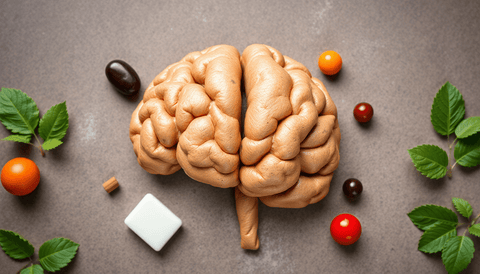
Ontgrendel Focus & Geheugen: Top supplementen voor hersengezondheid


Welkom bij onze gids over supplementen voor hersengezondheid. Deze pagina richt zich op het landschap van hersengezondheidssupplementen, met de nadruk op wetenschappelijk onderbouwde ingrediënten, objectieve beoordelingen en praktische tips om de juiste boosters te kiezen. Ons doel is om lezers te helpen begrijpen hoe bewijs wordt geëvalueerd en waarop te letten bij het beoordelen van producten, zonder beloftes over specifieke resultaten. Wetenschappelijk onderbouwde ingrediënten spelen een centrale rol in discussies over hersengezondheidssupplementen. In dit veld worden ingrediënten zoals citicoline (CDP-choline), fosfatidylserine, omega-3-vetzuren, Bacopa monnieri, L-theanine en cafeïne vaak onderzocht in peer-reviewed onderzoek. We laten zien hoe onderzoekers deze ingrediënten beoordelen, inclusief het ontwerp van de studies, de onderzochte populaties, de doseringsbereiken en de studieperiodes. De focus ligt op het beschrijven van het bewijslandschap en de kwaliteit van de bevindingen, in plaats van het goedkeuren van een bepaald effect. Objectieve beoordelingen vormen een kernaspect van onze aanpak van hersengezondheidssupplementen. We streven naar transparantie en evenwicht door onafhankelijk onderzoek te bekijken, financieringsbronnen bekend te maken en zowel de sterkten als de beperkingen van het beschikbare bewijs te rapporteren. Beoordelingen moeten volledige ingrediëntenlijsten bevatten, het niveau van bewijs dat claims ondersteunt verduidelijken en mogelijke biases in de data in overweging nemen. Door gebalanceerde samenvattingen te bieden, willen we lezers een helder beeld geven van de huidige stand van kennis over hersengezondheidssupplementen. Bij het kiezen van boosters spelen praktische overwegingen een belangrijke rol. Let op duidelijke ingrediëntenlijsten, disclosed doseringen en claims die worden ondersteund door geloofwaardige bronnen. Geef de voorkeur aan producten die onafhankelijke tests ondergaan en kwaliteitscertificeringen dragen, en let op de stabiliteit van de formulering en de regelgeving in jouw regio. Overweeg veiligheid en mogelijke interacties met medicijnen. Door een zorgvuldige, op bewijs gebaseerde aanpak toe te passen, kun je opties binnen het domein van hersengezondheidssupplementen vergelijken en geïnformeerde beslissingen nemen.


Vitamins for Brain Health and Memory Support | Topvitamine - Topvitamine
Aug 29, 2025
Supplementen voor hersengezondheid kunnen helpen om voldoende voedingsstoffen binnen te krijgen, vooral wanneer een tekort bestaat. Er is echter geen bewezen nummer één supplement dat geheugen of concentratie bij iedereen verbetert. In deze gids lees je wat vitamine B12, omega 3, vitamine E en enkele kruiden wel en niet kunnen betekenen, hoe je producten vergelijkt en wanneer overleg met een zorgprofessional verstandig is.
The Surprising Benefits of Omega-3 Supplements for Everyday Wellness - Topvitamine
Aug 25, 2025
Omega-3-supplementen leveren vooral EPA en DHA, vetzuren die betrokken zijn bij onder meer de werking van hersenen, ogen en hart. Ze zijn geen wondermiddel en vervangen geen behandeling, maar kunnen nuttig zijn wanneer u weinig vette vis eet. Dit artikel bespreekt de mogelijke voordelen, het verschil tussen EPA en DHA, voedingsbronnen, keuzecriteria en belangrijke veiligheids aandachtspunten.

Brain health supplements represent a broad category of products intended to support cognitive functions like memory, focus, and mental clarity. This guide provides an overview of this topic, explaining what these supplements are, the types of ingredients commonly found in them, and how to approach product selection with a focus on evidence and safety.

What Are Brain Health Supplements?

Brain health supplements are dietary products formulated with vitamins, minerals, herbal extracts, amino acids, or other compounds. They are designed to provide nutrients that may play a role in maintaining normal brain function. This category is distinct from pharmaceuticals; supplements are not intended to diagnose, treat, cure, or prevent any disease. Instead, they are used to fill nutritional gaps or to provide specific compounds that are studied for their potential effects on cognitive processes.

The market for these products is broad, ranging from single-ingredient supplements to complex formulations. Understanding the role of each ingredient and the quality of evidence behind it is essential for making informed choices.

Common Ingredients in Brain Health Formulas

Several ingredients are frequently found in brain health supplements. These ingredients have been studied to varying degrees for their potential roles in supporting cognitive health.

  • Omega-3 fatty acids (EPA and DHA, commonly from fish oil): Structural components of cell membranes, particularly DHA, which is abundant in brain tissue.
  • B vitamins: Including B6, B9 (folate, and B12, which are involved in homocysteine metabolism and neurotransmitter synthesis.
  • Vitamin E: An antioxidant that helps protect cells from oxidative stress.
  • Phosphatidylserine: A phospholipid component of cell membranes, studied for its potential role in memory function.
  • Citicoline (CDP-choline): A compound that may support acetylcholine production, a neurotransmitter involved in learning and memory.
  • Botanical extracts: Such as Bacopa monnieri, ginkgo biloba, and Panax ginseng, which have traditions of use and varying levels of scientific study.
  • L-theanine and caffeine: Often combined for their potential synergistic effects on alertness and focus.

For more detailed information on specific nutrient categories, you can explore our omega-3 supplements or our section on B vitamins.

How to Evaluate the Evidence

The effectiveness of a brain health supplement depends largely on the quality of scientific evidence supporting its ingredients. Not all ingredients have the same level of research backing.

When evaluating evidence, consider these factors:

  • Study design: Placebo-controlled, double-blind trials are generally considered more reliable than observational studies or anecdotal reports.
  • Population studied: Results may not be generalizable if the study was conducted on a specific group (e.g., older adults with memory complaints) rather than healthy individuals.
  • Dosage and duration: The amount of ingredient used and how long participants took it are critical for understanding whether a product is likely to have an effect.
  • Consistency of findings: Replication of results across multiple independent studies strengthens the overall evidence.

It is also important to distinguish between evidence that a nutrient is necessary for normal brain function and evidence that taking more of that nutrient will improve cognition beyond normal levels.

Practical Tips for Choosing a Product

Choosing a brain health supplement involves more than just looking at the ingredient list. Consider these practical steps:

  1. Read the full ingredient label: Check for exact dosages of active ingredients. Avoid proprietary blends that do not disclose individual amounts.
  2. Look for third-party testing: Certifications from independent organizations can indicate that the product meets quality standards for purity and potency.
  3. Check for quality certifications: Look for seals like GMP (Good Manufacturing Practice) or USP (United States Pharmacopeia).
  4. Consider formulation stability: Some ingredients may degrade over time. A reputable manufacturer will ensure proper stability testing.
  5. Review safety information: Be aware of potential side effects and interactions with medications. Always consult a healthcare professional before starting any new supplement, especially if you have underlying health conditions.

For a broader understanding of ingredient safety and sourcing, you may find our herbal supplements guide useful for context.

Common Questions About Brain Supplements

People often have questions about the overall usefulness of these products. Here are some high-level points to consider:

  • There is no single 'number one' brain supplement. The effectiveness of any product depends on its formulation, the quality of its ingredients, and the individual's nutritional status and health.
  • A balanced diet, regular exercise, adequate sleep, and mental stimulation are foundational for cognitive health. Supplements may play a supporting role but are not a substitute for a healthy lifestyle.
  • Interest in and willingness to try supplements is individual. A careful, evidence-based approach is the most reliable way to navigate the market.

This page serves as a starting point for understanding brain health supplements. For more specific information about a particular ingredient, a specific health concern, or a product comparison, explore the related articles listed on this page.