
Certificering voor voedingssupplementen is een formele, onafhankelijke beoordeling die bedoeld is om te verifiëren dat producten en hun productieprocessen voldoen aan vastgestelde normen. Deze gids legt uit hoe certificering voor voedingssupplementen past binnen kwaliteitsbeheer, veiligheidscontroles en naleving van regelgeving, en hoe het geloofwaardigheid kan versterken terwijl het consumenten beschermt tegen niet-conforme producten. Certificeringsprogramma's evalueren doorgaans faciliteiten, toeleveringsketens, etikettering en gedocumenteerde procedures aan de hand van vastgestelde criteria, waardoor merken kunnen aantonen dat ze consistentie bieden die verder gaat dan de wettelijke basisvereisten. Het begrijpen van de reikwijdte en beperkingen van certificering voor voedingssupplementen helpt je om prioriteiten te stellen die het belangrijkst zijn voor jouw bedrijf. Het certificeringsproces omvat doorgaans planning voorafgaand aan de beoordeling, beoordeling van documentatie, ter plaatse audits, indien van toepassing, batchtests, etiketteringscontrole, kwalificatie van leveranciers en controles op terughaalbereidheid. Een onafhankelijke certificator biedt objectiviteit, en voortdurende toezicht of hercertificeringscycli zorgen voor voortdurende naleving. Certificering voor voedingssupplementen kan compliance met GMP, systemen voor kwaliteitsbeheer en nauwkeurigheid van etikettering omvatten, en biedt een raamwerk dat aansluit bij de regelgevingseisen in veel jurisdicties. Deze afstemming ondersteunt transparante bedrijfsvoering en helpt bij het voldoen aan de verwachtingen van detailhandelaren en distributeurs. De voordelen van het nastreven van certificering voor voedingssupplementen gaan verder dan naleving. Het kan de geloofwaardigheid vergroten bij detailhandelaren, distributeurs en consumenten door betrokkenheid bij gedocumenteerde processen en controles aan te tonen. Certificering bevordert ook betere traceerbaarheid en toezicht op leveranciers, wat het effectieve beheer over de hele productlevenscyclus ondersteunt. Door te laten zien dat de bedrijfsactiviteiten voldoen aan vastgestelde normen, kan certificering voor voedingssupplementen soepelere audits en regelgevende beoordelingen faciliteren, terwijl organisaties veranderingen in formulering of verpakking met de juiste documentatie kunnen beheren. Om te beginnen, moet je de scope van de certificering definiëren, zoals productcategorie, productielocaties en verpakkingsformaten, en vervolgens erkende certifieerders en hun programma's onderzoeken. Verzamel de benodigde documentatie, implementeer of stem af op een kwaliteitssysteem en ontwikkel standaard operationele procedures en training om aan de programma-eisen te voldoen. Plan de benodigde labtests of werk samen met laboratoria, regel de initiële beoordeling en bereid je voor op audits ter plaatse. Houd rekening met kosten, tijdlijnen en het voortdurende toezicht dat nodig is om de certificering voor voedingssupplementen te behouden, als onderdeel van een bredere strategie voor kwaliteit en naleving.
Certificering voedingssupplementen: Hoe kwaliteit, veiligheid en naleving te waarborgen
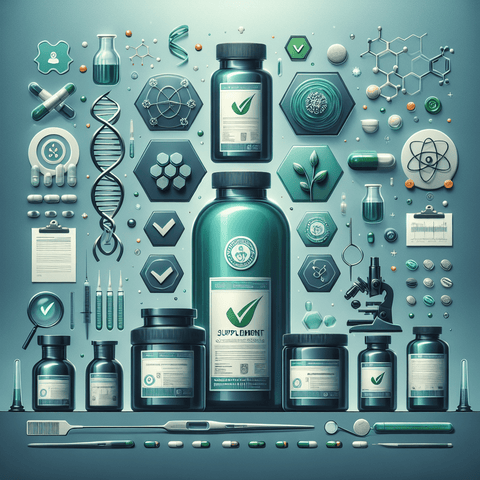
The dietary supplement market is vast, and consumers are increasingly looking for ways to identify products they can trust. Certification for dietary supplements is one of the most effective ways for brands to demonstrate a commitment to quality, safety, and transparency. This guide provides a broad overview of the main certifications, the processes involved, and what they mean for both manufacturers and consumers.
What Is Dietary Supplement Certification?
Certification for dietary supplements is a voluntary, third-party assessment that verifies a product or its manufacturing facility meets specific, predefined standards. These standards often go beyond basic legal requirements, covering areas such as ingredient purity, good manufacturing practices (GMP), labeling accuracy, and quality control. Unlike simple self-declarations, certification provides an independent layer of verification, offering greater assurance to retailers, regulators, and consumers.
The scope of a certification program can vary. Some certifications focus on the entire manufacturing facility, auditing processes and procedures. Others are product-specific, testing finished products for contaminants and verifying that the label accurately reflects the contents. Understanding these distinctions is the first step in navigating the landscape of supplement certifications.
Key Certification Programs and Standards
Several certification programs are widely recognized in the dietary supplement industry. Each has its own focus, requirements, and level of recognition. Here is a look at some of the most prominent ones.
NSF International Certification
NSF International is a global public health organization that offers certification for dietary supplements. Their certification program is comprehensive, involving both facility audits and product testing. NSF certification typically verifies that a product contains the ingredients listed on the label, does not contain undeclared harmful levels of contaminants, and has been manufactured under good manufacturing practices (GMP). The NSF mark is often seen as a strong indicator of quality and safety.
USP Verification Program
The United States Pharmacopeia (USP) is a scientific nonprofit organization that sets public standards for medicines, food ingredients, and dietary supplements. The USP Dietary Supplement Verification Program is a voluntary program that verifies the integrity of a product. Products bearing the USP Verified Mark have been tested to ensure they contain the declared ingredients in the declared amounts, are free from harmful levels of contaminants, and have been manufactured according to GMP. USP standards are often referenced in regulatory frameworks.
GMP Certification and Compliance
Good Manufacturing Practices (GMP) are the foundational set of practices required to ensure products are consistently produced and controlled according to quality standards. While GMP compliance is a legal requirement for supplement manufacturers in many jurisdictions, including the United States, third-party GMP certification provides an independent verification of a facility's compliance. This type of certification focuses on the manufacturing process, including facility cleanliness, equipment maintenance, personnel training, and record-keeping.
Other Recognized Certifications
Beyond NSF, USP, and GMP, there are other certifications that may be relevant depending on the product and target market. These can include certifications for organic ingredients, non-GMO verification, and certifications specific to certain retail channels. Each of these programs has its own set of standards and requirements, adding another layer of assurance for specific consumer concerns.
The Certification Process: What to Expect
The journey to certification is a structured process that requires preparation and commitment. While the specifics vary between programs, the general steps are similar.
- Define the scope: Determine which products, manufacturing sites, and processes will be included in the certification.
- Select a certifying body: Research and choose a recognized organization like NSF or USP that aligns with your goals.
- Prepare documentation: Compile all necessary documents, including standard operating procedures (SOPs), quality control records, and supplier qualification files.
- Undergo the audit: A certifier will conduct an on-site audit of your facility to assess compliance with the relevant standards.
- Complete product testing: For product-specific certifications, samples will be tested in a laboratory to verify purity, potency, and ingredient accuracy.
- Maintain certification: Certification is not a one-time event. It requires ongoing surveillance, regular re-audits, and continuous compliance to maintain the mark.
The costs and timelines for certification can vary significantly based on the program, the size of the operation, and the number of products. It is a significant investment, but one that can provide substantial returns in terms of market access and consumer trust.
Why Certification Matters for Consumers and Brands
For consumers, certification for dietary supplements serves as a valuable shortcut in a crowded marketplace. It offers an independent signal that a product has been checked for quality, purity, and label accuracy. This can be particularly important for those who are managing their health and want to be confident in the products they choose.
For brands, certification can open doors. Many major retailers require their suppliers to have third-party certification. It can also enhance a brand's reputation, differentiate its products from competitors, and build long-term loyalty with consumers who value transparency and quality. Certification also helps companies stay ahead of evolving regulatory expectations and manage risk more effectively.
Comparing Certifications: NSF vs. USP vs. GMP
A common question is which certification is 'best' or how they compare. The answer depends on what you are looking for. GMP certification is primarily about the manufacturing process. NSF and USP certifications are more comprehensive, covering both the process and the final product. Both NSF and USP are highly respected, but they have different testing protocols and standards. The choice between them often comes down to specific retailer requirements or brand preference.
It is also important to note that certification is not a substitute for regulatory compliance. In the United States, for example, the FDA regulates dietary supplements under the Dietary Supplement Health and Education Act (DSHEA). Manufacturers are responsible for ensuring their products are safe and properly labeled before they go to market. Certification is a voluntary, additional step that builds on this baseline of legal responsibility.
Frequently Asked Questions About Supplement Certification
Here are concise answers to some of the most common questions people have about dietary supplement certifications.
What certification is best for supplements?
There is no single 'best' certification. The most appropriate one depends on your goals. For a comprehensive, product-level verification, NSF and USP are both excellent choices. For a focus on manufacturing quality, GMP certification is fundamental. Many leading brands pursue multiple certifications to meet different market demands.
Is NSF or USP better?
Both NSF and USP are highly reputable, independent organizations. The 'better' choice is often a matter of preference or specific requirements. Some retailers may prefer one over the other. Both programs involve rigorous testing and facility audits, providing a high level of assurance. It is more important that a product is certified by a recognized third party than which specific one it is.
What is the certification for supplements?
There is not one single certification. Instead, there are several recognized programs, including NSF, USP, and GMP. These certifications verify different aspects of a supplement's production, from the manufacturing process to the final product's contents. The presence of a certification mark from one of these organizations indicates that the product has met specific, independently verified standards.
Exploring the World of Supplements
Understanding certification is a key part of being an informed consumer. It helps you make better choices and understand the quality signals behind the products you use. To learn more about the different types of supplements available and the ingredients they contain, you can explore our comprehensive guides on various supplement categories.
For example, you can learn more about the science and benefits of specific nutrients in our multivitamins guide or dive into the specifics of omega-3 supplements. For those interested in plant-based options, our herbal supplements guide provides valuable context on sourcing and safety.
This information is for educational purposes only and is not intended as a substitute for professional medical advice. Always consult with a qualified healthcare provider before starting any new supplement regimen.