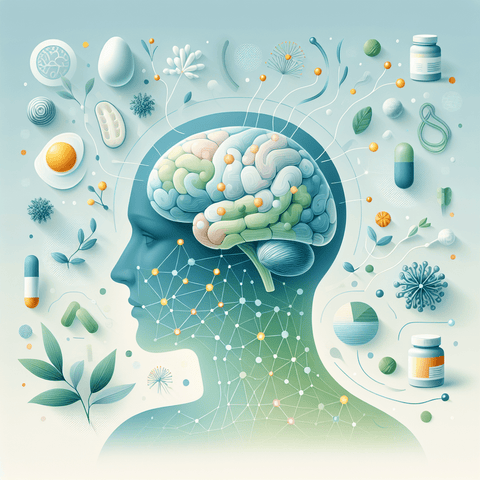
Cognitive enhancement is a broad concept that describes any strategy, practice, or substance intended to support or improve mental functions such as memory, attention, focus, and executive function. While the term is often linked to pharmaceuticals or nootropics, in a broader sense it includes everyday choices that significantly influence brain performance, including sleep quality, exercise, mental training, and nutrition. The brain is a metabolically demanding organ, and its efficiency is closely tied to the availability of specific nutrients. This page serves as a central hub for exploring the various dimensions of cognitive enhancement, from the basic science of brain function to practical lifestyle and dietary strategies.
What Is Cognitive Enhancement?
At its core, cognitive enhancement is about optimizing the brain's ability to process information, form memories, and regulate attention. It is important to distinguish between enhancement—improving an already healthy function—and the treatment of cognitive impairment, which is a medical condition. This guide focuses on the former: supporting and maintaining healthy cognitive function through lifestyle and nutritional choices.
The most effective cognitive enhancement strategies are those that address the brain's fundamental needs. This includes ensuring adequate sleep for memory consolidation, engaging in regular physical activity to promote blood flow and neuroplasticity, and managing stress to protect neural pathways. These lifestyle factors form the non-negotiable baseline upon which any other enhancement strategy should be built.
The Foundations of Brain Performance
To understand how to support cognitive function, it helps to look at what the brain requires at a cellular level. Our neurons communicate through electrical and chemical signals, and this process depends on a constant supply of energy and specific building blocks. Key foundational processes include:
- Neurotransmitter synthesis: Amino acids and specific vitamins are required to produce key chemicals like serotonin, dopamine, and acetylcholine, which influence mood, motivation, and memory.
- Neuronal energy production: Brain cells have high energy demands and rely on B vitamins and magnesium to convert nutrients into usable energy.
- Cell membrane health: Neurons need phospholipids and omega-3 fatty acids to maintain flexible and communicative cell membranes.
- Neuroprotection: Antioxidants, such as vitamins C and E and various polyphenols, help protect brain tissue from oxidative stress.
- Healthy blood flow: Efficient circulation ensures that the brain receives the glucose and oxygen necessary for demanding mental tasks.
Because of these complex needs, a deficiency in essential micronutrients can have a noticeable impact on cognitive performance. It's not just about severe deficiencies; even suboptimal levels can subtly affect mental clarity, focus, and overall brain health.
Lifestyle Factors That Enhance Cognitive Function
The foundation of cognitive well-being is built on daily habits. These lifestyle factors are arguably the most effective and safest 'cognitive enhancers' available.
Sleep is fundamental to memory consolidation and learning. Without adequate deep and REM sleep, focus and reaction times suffer significantly. Exercise is another powerful intervention; it increases blood flow to the brain and stimulates the release of BDNF, a protein crucial for neuroplasticity. Managing chronic stress is equally important, as elevated cortisol levels can impair synaptic connections in the hippocampus, the brain's memory center.
These habits are the non-negotiable baseline. Before considering any supplement, optimizing these areas is the first and most impactful step toward supporting mental performance.
Vitamins and Minerals Essential for Cognitive Support
Nutrition is the 'missing link' for many people. While a healthy lifestyle is critical, suboptimal dietary intake of certain micronutrients can hold back cognitive performance. These nutrients often act as co-factors in neurochemistry, meaning even marginal insufficiencies can lead to subtle functional declines.
Vitamins for Brain Health
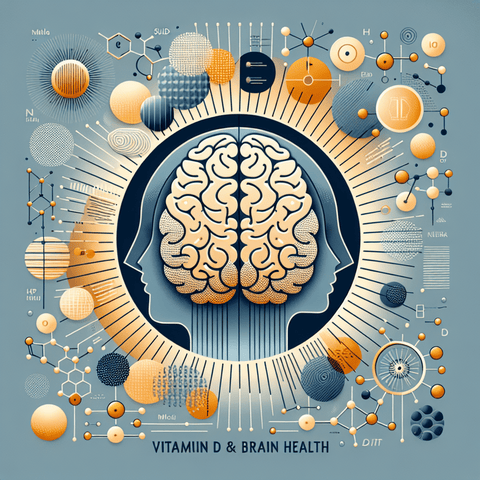
Vitamin B6 is used to synthesize neurotransmitters like dopamine and serotonin, and deficiencies are associated with mood changes and mental fogginess. The full vitamin B complex supports energy metabolism and the nervous system. Vitamin B12 is critical for maintaining the myelin sheath that protects nerve cells, and low levels can lead to pronounced cognitive decline. Vitamin D, a neuroactive steroid, has receptors throughout the brain, and low levels are linked to poorer cognitive test performance. You can explore more about vitamin D and its role in brain health.
Minerals for Brain Health
Magnesium is involved in numerous enzymatic processes and is essential for the function of the NMDA receptor, which is central to learning and memory. A lack of magnesium may contribute to a 'noisy' sensory environment and reduce concentration. You can find detailed information on various magnesium supplements for energy and nerve support. Iron supports oxygen transport to the brain, and even subclinical deficiency is linked to brain fog and slow processing. Zinc also plays a broad role in the hippocampus, which is crucial for memory formation.
Omega-3 Fatty Acids and the Brain
DHA (docosahexaenoic acid) is a structural fat that makes up almost 25% of the brain's fat content. It is critical for membrane fluidity and efficient signal transmission. EPA (eicosapentaenoic acid) plays an anti-inflammatory role in the brain environment. You can review the omega-3 collection for high-quality options. Research suggests that maintaining sufficient levels of these fatty acids may help preserve memory function and support healthy cognition.
Exploring Botanical and Herbal Support
Beyond vitamins and minerals, certain botanicals and herbs are traditionally used to support mental resilience and cognitive well-being. These are often referred to as adaptogens, which may help the body manage stress.
Ashwagandha is one of the most studied herbs for stress reduction. By helping to lower cortisol levels, it may support a calm and focused mental state, which can indirectly benefit cognitive performance. The ashwagandha supplement category provides various options. Curcumin, the active compound in turmeric, is known for its antioxidant and anti-inflammatory properties, which are important for long-term brain health. However, its evidence as a primary nootropic is not as strong and requires more research.
A Practical Guide to Supplementation
Supplements are not mandatory, but they are an option to address specific inefficiencies or gaps. It is best to consider them after establishing a healthy lifestyle and diet. The window where supplementation is most appropriate includes:
- Known deficiency: A physician has confirmed a deficiency through blood tests (e.g., iron, vitamin D, B12).
- Dietary restrictions: Vegan or vegetarian diets may lack certain nutrients like B12 and DHA, if not obtained from algae sources.
- Specific populations: Older adults (who may have reduced absorption), pregnant women (for folate), or individuals under high physical or mental stress may have increased needs.
- Poor absorption: Conditions like IBS or low stomach acidity can impair nutrient absorption from food.
Understanding Supplement Forms and Quality
Not all supplements are created equal. The specific form of a nutrient can make a difference in its absorption and effect. When choosing a supplement, consider these key examples:
- Magnesium glycinate is often preferred for cognitive support due to its calming effect and high absorption, compared to magnesium citrate, which is more often used for its laxative effect.
- Methylated B-vitamins, such as methylcobalamin (B12) and L-methylfolate (B9), are the bioactive forms. They are particularly beneficial for individuals with certain genetic variations (like MTHFR) that affect conversion.
- Look for third-party certifications (e.g., USP, NSF) to ensure product purity and that the contents match the label.
Safe Supplementation Practices
Even nutrients have limits. It is important to be aware of potential interactions and adhere to safe usage guidelines. Key safety considerations include:
- Space out minerals: Iron, magnesium, and calcium can compete for absorption. Take them at different times of the day to maximize their effectiveness.
- Respect upper limits: Very high doses of certain nutrients, like vitamin B6, can cause nerve damage. More is not necessarily better.
- Check for interactions: If you are on medication, such as blood thinners, always consult a healthcare professional before taking supplements like omega-3s or high-dose turmeric.
Frequently Asked Questions
How do I strengthen my brain?
Strengthening your brain involves a holistic approach. Prioritize high-quality sleep, regular physical exercise, and stress management techniques. Follow a nutrient-dense diet rich in omega-3s, B vitamins, and antioxidants. While supplements can help fill specific gaps, they work best when built on this foundation.
What is the strongest cognitive enhancer?
There is no single 'strongest' enhancer. The most reliable and impactful 'enhancers' are consistent lifestyle habits. Sleep, exercise, and a balanced diet have the most profound and well-documented effects on cognitive function. Supplements are generally considered supportive rather than primary drivers of enhancement.
What nutrient deficiency causes brain fog?
Several nutrient deficiencies can contribute to brain fog. Common culprits include vitamin B12, iron, vitamin D, and magnesium. It is important to note that brain fog can also be a symptom of other underlying health issues, so consulting with a doctor for proper testing is the safest first step.
Can vitamins actually improve memory?
Vitamins can improve memory when a deficiency is present. Correcting a deficiency can lead to significant cognitive improvements. However, if your nutrient levels are already optimal, taking extra vitamins is unlikely to provide any additional boost in memory function.
How long until supplements help cognition?
The timeline can vary. Water-soluble vitamins like B12 may lead to noticeable changes within a few weeks. Fat-soluble nutrients and omega-3s, which need to integrate into cell membranes, can take longer, often 8 to 12 weeks, before a meaningful difference is noticed.
Navigating the Cognitive Enhancement Journey
Ultimately, cognitive enhancement is not about finding a single magic pill. It is about building a comprehensive approach that prioritizes a healthy lifestyle, provides the brain with essential nutrients, and uses supplements strategically to address individual gaps. This page provides a map of the topic, and you can explore the related articles below for deeper dives into specific nutrients, herbs, and strategies. Always consult with a healthcare professional to discuss your individual needs and ensure any supplement is right for you.
Related Keywords and Topics
- Cognitive enhancement
- Brain health supplements
- Memory and vitamins
- B12 cognitive function
- Omega-3 focus
- Mental clarity and minerals
- Nutrients for attention
- Brain-boosting foods