
Ontdek hoe collageen en antioxidanten het landschap van de huidwetenschap vormgeven. Deze pagina richt zich op het trefwoord collageen en antioxidanten, en begeleidt je door hoe onderzoekers deze termen beschrijven en hoe ze voorkomen in studies en productliteratuur. Je leert terminologie te onderscheiden, te begrijpen waar wetenschappelijk onderbouwde resultaten meestal naar verwijzen, en ziet voorbeelden van hoe onderzoekers conclusies formuleren. Klik om dieper te verkennen en betrouwbare uitleg over de concepten in de context te bekijken. Collageen is een structureel eiwit dat bijdraagt aan het raamwerk zichtbaar in de huid, terwijl antioxidanten stoffen zijn die reageren met reactieve deeltjes in biologische systemen. In wetenschappelijke literatuur worden collageen en antioxidanten onderzocht op hun rol in weefselintegriteit, vernieuwing en de reactie op stress. Onderzoekers gebruiken een reeks methoden—van moleculaire analyses tot beeldvormingstechnieken—die kenmerken kwantificeren die verband houden met uiterlijk en mechanische eigenschappen, en gebruiken de termen collageen en antioxidanten in beschrijvingen. Praktische tips voor het evalueren van discussies over collageen en antioxidanten omvatten het controleren van het onderzoeksontwerp en de herkomst van de gegevens. Kijk of het bewijs afkomstig is van in vitro of in vivo werk, steekproefgroottes, controlegroepen en de duur van het onderzoek. Lees de definitie van de uitkomsten om te begrijpen wat wordt gemeten—worden elasticiteit-achtig eigenschappen of oppervlakkeneigenschappen gedefinieerd met objectieve metrics? Geef voorkeur aan bronnen die peer-reviewed zijn en die bevindingen plaatsen in de context van bestaand werk, zoals systematische reviews of meta-analyses. Wetenschappelijk onderbouwde resultaten op dit gebied weerspiegelen voortgaande onderzoeken in plaats van definitieve uitspraken. Het idee van collageen en antioxidanten illustreert hoe onderzoekers hun begrip opbouwen van basisprincipes naar praktische beschrijvingen, terwijl ze beperkingen en mogelijke bias aankaarten. Deze pagina is bedoeld om je te helpen de literatuur te navigeren, marketingclaims kritisch te interpreteren en te begrijpen hoe bevindingen worden gecommuniceerd in geloofwaardige bronnen. Klik om verder te verkennen en te zien hoe het veld bewijs presenteert rondom collageen en antioxidanten.
Collageen & Antioxidanten: Versterk de Huidgezondheid & Bestrijd Veroudering
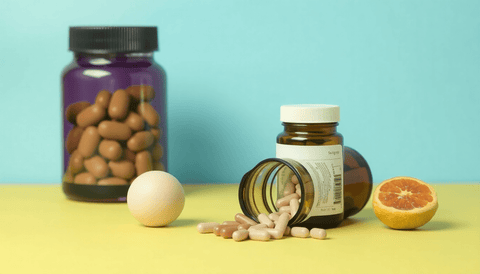
Collagen and antioxidants are two terms that frequently appear together in discussions about skin health, anti-aging, and nutrition. While collagen is the most abundant protein in the body, providing structural support to skin and other tissues, antioxidants are a broad group of compounds that help manage oxidative stress. This guide offers a broad overview of each, how they interact, and the key considerations to keep in mind when exploring supplements.
What Are Collagen and Antioxidants?
Collagen acts as a key building block in the body, contributing to the structure of skin, bones, muscles, tendons, and ligaments. In the skin, it helps form a supportive network that contributes to firmness and elasticity. Antioxidants, on the other hand, are molecules that can neutralize free radicals—unstable atoms that can damage cells, leading to oxidative stress. Common antioxidants include vitamins C and E, selenium, and flavonoids, which are naturally present in many fruits, vegetables, and other plant foods.
The connection between the two lies in their complementary functions: while collagen provides the structural framework, antioxidants help protect the body's cells, including those that produce collagen, from environmental and metabolic stress.
The Role of Collagen in Skin Health
As we age, the body's natural collagen production can slow down, which may contribute to the formation of fine lines and a loss of firmness. This has made collagen a popular ingredient in skincare products and dietary supplements. In the context of supplements, collagen is often hydrolyzed, meaning it is broken down into smaller peptides that are more easily absorbed by the body.
Types of Collagen
Not all collagen is the same. Different types of collagen serve different purposes in the body. The most common types found in supplements include:
- Type I: The most abundant type, found in skin, tendons, and bones.
- Type II: Primarily found in cartilage and often associated with joint health.
- Type III: Often found alongside Type I, supporting skin elasticity and structure.
When selecting a supplement, it can be helpful to check which collagen type(s) it contains, as this may influence its intended use.
The Role of Antioxidants in Skin Health
Antioxidants help protect the skin from oxidative stress, which can be triggered by internal processes and external factors like UV radiation, pollution, and poor nutrition. By neutralizing free radicals, antioxidants may help support the skin's natural defense mechanisms.
Key antioxidants related to skin health include:
- Vitamin C: An essential nutrient for collagen synthesis, acting as a cofactor in the production of collagen.
- Vitamin E: A fat-soluble antioxidant that helps protect cell membranes from oxidative damage.
- Polyphenols: Plant compounds found in green tea, berries, and turmeric, which demonstrate antioxidant properties.
A diet rich in antioxidants is generally encouraged for overall health, including skin health. While topical products can deliver antioxidants directly to the skin, dietary intake and supplements can support the body from within. You can explore our antioxidant supplement collection to see available options.
How Collagen and Antioxidants Work Together
The synergy between collagen and antioxidants is a key area of interest. Vitamin C, for example, is not only an antioxidant but also a necessary cofactor for the enzymes that stabilize and cross-link collagen molecules. This means that having adequate vitamin C is crucial for the body to effectively produce and maintain collagen. Other antioxidants may help protect existing collagen fibers from degradation by free radicals, thereby supporting the skin's structural integrity.
This interplay explains why many skin health supplements combine collagen peptides with antioxidants like vitamin C, vitamin E, or botanical extracts, aiming to provide both the building blocks and the protective factors for healthier-looking skin.
Sources of Collagen and Antioxidants
Dietary Sources
Collagen, as a nutrient, is found naturally in animal connective tissues, such as bone broth, skin, and cartilage. Your body also produces collagen from amino acids—the building blocks of protein—found in a variety of foods.
- Protein-rich foods like chicken, fish, beef, eggs, and dairy
- Foods that support collagen production, such as those rich in vitamin C (citrus fruits, berries, bell peppers) and copper (nuts, seeds)
Antioxidants are abundant in plant-based foods:
- Fruits: Blueberries, strawberries, oranges, grapes
- Vegetables: Spinach, kale, broccoli, carrots
- Other: Green tea, dark chocolate, nuts, and spices like turmeric
Supplement Sources
Collagen supplements typically come from:
- Bovine (cow): Rich in Type I and III collagen.
- Marine (fish): A good source of Type I collagen.
- Chicken: Often a source of Type II collagen.
Antioxidant supplements are available as individual vitamins (like C or E), as multi-nutrient formulas, or as concentrated plant extracts. You can also explore our vitamin C supplements page for more information.
Things to Consider When Choosing a Supplement
If you are thinking about taking a collagen or antioxidant supplement, consider the following general factors:
- Type and Source: Ensure the supplement type aligns with your wellness goals (e.g., skin vs. joints).
- Quality and Purity: Look for products from reputable manufacturers that undergo third-party testing.
- Synergistic Ingredients: Consider whether the product includes complementary nutrients like vitamin C, which supports collagen synthesis.
- Dosage and Form: Follow the manufacturer's recommended dosage and choose a form (powder, capsule, liquid) that fits your lifestyle.
For a wide range of nutritional supplements, you can explore our full range of natural supplements.
Safety, Interactions, and General Advice
It is important to approach supplements with a critical mind. The evidence for collagen and antioxidants is based on ongoing research, and results can vary from person to person. Supplements are not intended to diagnose, treat, cure, or prevent any disease.
Before starting any new supplement, particularly if you have an underlying health condition, are pregnant or nursing, or are taking medication, it is wise to speak with a healthcare provider. This is especially important when considering potential interactions between supplements and prescription medications. For example, some online questions ask about taking collagen with specific medications like citalopram. This is a highly specific safety question best directed to your doctor or pharmacist, who can provide personalized advice based on your medical history.
Similarly, questions about using collagen on open wounds or if you have a condition like keloids are medical concerns that should be discussed with a healthcare professional.
While many people use collagen supplements to support their skin health goals, dietary supplements are not a replacement for a balanced diet and healthy lifestyle. Eating a variety of nutrient-dense foods, protecting your skin from excessive sun exposure, staying hydrated, and not smoking are foundational habits for maintaining skin health.
Evaluating Information and Studies
When reading about collagen and antioxidants, you will likely come across various studies and marketing claims. Key things to look for when evaluating information include:
- Study Design: Was it a randomized controlled trial, an observational study, or a review?
- Sample Size: Was the study large enough to be meaningful?
- Duration: How long did the study last?
- Outcomes: Were objective, measurable outcomes used (e.g., skin hydration via a corneometer)?
- Source: Was the study peer-reviewed? Is the information from a reputable health organization?
Being an informed consumer means learning to distinguish between compelling marketing language and robust scientific evidence. This page is intended as a starting point for your research, not as a substitute for professional medical advice.