Ontgrendel de kracht van Curcumine: 7 wetenschappelijk ondersteunde voordelen


Curcuminevoordelen bevinden zich op het snijvlak van scheikunde, farmacologie en wetenschapcommunicatie. Deze pagina richt zich op het kernwoord 'curcuminevoordelen', en presenteert een op onderzoek gebaseerde kijk op wat onderzoekers bestuderen en hoe bevindingen worden geïnterpreteerd. In plaats van uitkomsten te stellen, legt de inhoud uit hoe wetenschappers vragen formuleren, experimenten ontwerpen en beoordelen wat de literatuur zegt over dit verbinding. Zeven kerngebieden vormen de basis voor onderzoeken naar de voordelen van curcumine: biobeschikbaarheid en toedieningssystemen die blootstelling beïnvloeden; interacties met moleculaire doelwitten en signaalroutes; farmacokinetiek en metabolisme in verschillende modellen; veiligheidsaspecten en doseringscontexten; analytische methoden en kwaliteitscontrole voor consistentie; formulering innovaties en technologische platformen die nieuwe gebruiksmogelijkheden mogelijk maken; en translationeel onderzoek dat preklinisch werk verbindt met praktische toepassingen. Het begrijpen van de voordelen van curcumine via deze gebieden helpt lezers te zien hoe het bewijs zich ontwikkelt, welke beperkingen de conclusies vormen, en hoe verschillende bronnen samenkomen of uiteenlopen. De nadruk ligt op duidelijke uitleg, rigoureuze methoden en transparante rapportage in plaats van onverifieerbare claims. Voor een diepere verkenning, klik om meer te leren terwijl je elk gebied doorloopt, belangrijke termen onderzoekt en representatieve studies beoordeelt.


Organic India Turmeric Supplement: Unique Benefits of Their Curcumin Extract - Topvitamine
Jul 05, 2025
Een curcumine supplement bevat een geconcentreerd bestanddeel uit kurkuma. In dit artikel lees je wat curcumine mogelijk ondersteunt, hoe het verschilt van gewoon kurkumapoeder en waarop je let bij de keuze van een product, zoals de hoeveelheid curcuminoïden en de aanwezigheid van piperine. Ook bespreken we dagelijks gebruik, mogelijke bijwerkingen, dosering en situaties waarin overleg met een zorgprofessional verstandig is.

What Is Curcumin and Why Is It Studied?

Curcumin is the most heavily researched bioactive compound found in turmeric, a spice derived from the root of the Curcuma longa plant. It belongs to a class of molecules called polyphenols, which are widely studied for their antioxidant properties. The scientific interest in curcumin stems from its potential to interact with various biological pathways, particularly those involved in the body's inflammatory response and its defense against oxidative stress. It's important to distinguish between turmeric, the whole spice, and curcumin, the concentrated compound, as most research focuses on the isolated extract.

Researchers investigate curcumin for a wide range of potential health applications. The primary areas of focus include its role as an antioxidant, its influence on inflammatory markers, and its potential effects on joint, brain, and metabolic health. The goal of this page is to map out these broad areas of investigation, providing a clear, science-based overview of what curcumin benefits are being studied, how they are being researched, and what the current evidence suggests. This will help you navigate the more specific questions and articles on this topic.

Core Potential Benefits of Curcumin

The body of research on curcumin benefits is vast, but it can be broadly organized into several key thematic areas. These areas represent the majority of scientific inquiry and are the most relevant to understanding how curcumin might contribute to human health.

Antioxidant Properties

Oxidative stress, caused by an imbalance between free radicals and the body's antioxidant defenses, is a process implicated in aging and many chronic conditions. Curcumin is studied for its ability to act as an antioxidant, potentially helping to neutralize free radicals. Additionally, research suggests curcumin may stimulate the body's own antioxidant enzyme systems, providing a more robust defense against oxidative damage. This is a foundational mechanism behind many of the other potential benefits studied.

Anti-Inflammatory Effects

Inflammation is a normal and necessary immune response, but chronic, low-grade inflammation is a key contributor to many diseases. Curcumin is perhaps best known for its potential anti-inflammatory properties. Research shows that curcumin can influence multiple molecular pathways involved in inflammation, potentially helping to modulate the body's inflammatory response. This is the reason many studies explore curcumin's role in supporting joint health and managing discomfort associated with everyday activity.

Supporting Joint and Muscle Health

Given its anti-inflammatory properties, a significant amount of research has focused on curcumin's potential to support joint health and mobility. Studies often examine its effects on markers of joint inflammation and perceived joint comfort in response to physical activity. This is one of the most popular and well-researched applications of curcumin supplementation, making it a core topic in the broader discussion of its benefits.

Potential Effects on Brain Health

Another intriguing area of research explores the potential effects of curcumin on cognitive function and brain health. The brain is highly susceptible to oxidative stress and inflammation. Studies are investigating whether curcumin's antioxidant and anti-inflammatory properties could have a positive influence on cognitive processes and brain health as we age. This is a growing field, and research is ongoing to understand the extent of these potential benefits.

Understanding the Challenge of Bioavailability

A crucial factor in understanding curcumin benefits is its bioavailability, which is notoriously low. When consumed orally, curcumin is poorly absorbed, quickly metabolized, and rapidly eliminated from the body. This means that the amount of curcumin that reaches systemic circulation is often very low, which presents a significant challenge for research and supplementation. Scientists have been working on various solutions to overcome this limitation, which are central to how curcumin supplements are formulated today.

Common Forms and Formulations

To improve absorption, several different approaches have been developed. The most well-known method is combining curcumin with piperine, a compound found in black pepper, which has been shown to significantly increase curcumin's absorption. Another approach involves complexing curcumin with lipids (fats) to form phytosomes, which can enhance absorption. Other technologies include nanoparticle formulations and liposomal delivery systems. When comparing different curcumin supplements, the type of formulation is often more important than the raw dose of curcuminoids, as it directly impacts how much is actually available to the body.

For a deeper look at how curcumin is being incorporated into supplements and related quality considerations, you can explore our curcumin supplement category.

Curcumin vs. Turmeric: What’s the Difference?

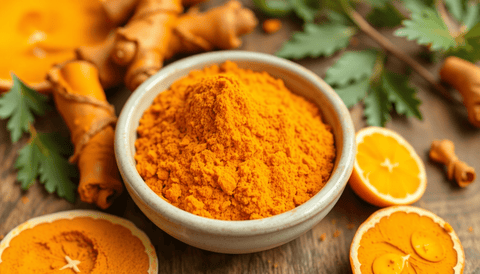
It is a common question whether to use turmeric or curcumin. Turmeric is the whole root (or ground spice) that contains many compounds, including curcumin, but at a relatively low concentration (typically 2-5%). Curcumin, on the other hand, is the specific, concentrated extract of the active compound. Most studies on health benefits use concentrated curcumin extracts at much higher doses than what you would get from cooking with turmeric. While turmeric can be a healthy addition to your diet, a curcumin supplement is generally necessary to achieve the doses used in clinical research.

Important Safety and Usage Considerations

Curcumin is generally considered safe for most people when taken in supplement form for short periods of time. However, it is important to be aware of potential side effects and safety considerations. The most commonly reported side effects are digestive issues, such as nausea, diarrhea, or stomach upset, particularly at higher doses. Some people may also have an allergy to turmeric or curcumin.

Who Should Be Cautious?

While curcumin is safe for many, certain groups should exercise caution. Due to its effects on bile production, individuals with gallbladder issues should avoid curcumin supplements. Because curcumin can have blood-thinning properties, people taking anticoagulant medications like warfarin should consult their doctor before using it. Similarly, those with bleeding disorders or who are about to undergo surgery should be cautious. Pregnant and breastfeeding women should also avoid high-dose curcumin supplements as its safety in these populations is not well-established. Always talk to a healthcare provider to see if a supplement is appropriate for you.

What Happens When You Take Curcumin Every Day?

Daily supplementation aims to maintain a consistent level of curcumin in the body to support its potential anti-inflammatory and antioxidant activity. Research suggests that consistent intake is more likely to provide observable benefits than occasional use. Starting with a lower dose and gradually increasing can help minimize mild digestive discomfort. As with any supplement, consistency and quality are key. Understanding the potential for daily use to support overall wellness is a primary reason why people maintain a routine with curcumin.

How to Choose a High-Quality Curcumin Supplement

When selecting a curcumin supplement, quality is paramount. Here are key factors to consider:

  • Formulation: Look for a clinically-studied or enhanced absorption form (e.g., with piperine, phytosome, or liposomal) over basic, unformulated curcumin.
  • Dosage: Note that the effective dose in research is typically much higher than the amount of turmeric in food. Pay attention to the mg of curcuminoids per serving.
  • Purity and Testing: Look for supplements that are third-party tested for purity and potency to ensure they are free from contaminants and contain what is on the label.
  • Consider the Source: For a broader view of high-quality ingredients, you might also find it useful to explore our natural supplements collection for products that align with our quality standards.

For related products that focus on overall wellness and inflammation, you can also see our turmeric supplements range.

Exploring the Topic Further

This overview has introduced the primary areas of curcumin benefits research, from its antioxidant and anti-inflammatory mechanisms to the practical considerations of bioavailability, dosage, and safety. The pages within this section will provide deeper dives into specific questions, such as the differences between various enhanced formulations, potential side effects, and considerations for specific health goals. Use this hub as a starting point to understand the full map of the topic and guide your path to more detailed information.