
Voedingssupplementauthenticiteit betekent dat een product echt overeenkomt met de verpakking: het merk, de vermelde ingrediënten, de juiste hoeveelheden en de batch die je ontvangt. Focussen op de authenticiteit van voedingssupplementen helpt kopers mislabele of namaakproducten te vermijden en maakt het gemakkelijker om te verifiëren wat er in de verpakking zit. Deze pagina biedt praktische tips en vertrouwde bronnen om je te helpen de authenticiteit van voedingssupplementen te verifiëren en producten te kiezen die overeenkomen met hun label. Praktische tips omvatten het controleren van de verpakking op consistentie en integriteit, het controleren van verzegelingen die openen voorkomen, en het vergelijken van typografie, kleuren en tekst met een officiële versie van het merk. Kijk goed naar het lotnummer, de vervaldatum en eventuele barcodes of QR-codes, en raadpleeg de website van de fabrikant of klantenservice om de productgegevens te bevestigen. Het aanvragen van een actueel Certificaat van Analyse (COA) bij de verkoper of fabrikant kan een onafhankelijke verificatie bieden van de vermelde ingrediënten en concentraties van het product. Het herkennen van namaaklabels omvat het letten op spelfouten, gewijzigde verpakkingen of ongewone printkwaliteit, evenals het ontbreken of onduidelijkheid van regelgevende vermeldingen. Als een prijs ongebruikelijk laag is of als de distributeur onbekend lijkt, wees extra voorzichtig. Vertrouw op officiële kanalen of de geverifieerde platforms van het merk om de authenticiteit te bevestigen, en wees ervan bewust dat derde partijen verificaties—zoals USP Verified of NSF Certified programma's—extra zekerheid bieden, hoewel niet elk product deze zegels zal dragen. Het kiezen van echte, veilige producten met betrouwbare bronnen betekent kopen bij gerenommeerde retailers en, indien mogelijk, rechtstreeks bij fabrikanten. Geef de voorkeur aan merken die COA’s publiceren en transparante toeleveringsketens onderhouden, en zoek naar verificaties door derden van organisaties zoals USP, NSF of ConsumerLab. Zorg dat de productlabeling essentiële informatie bevat zoals de ingrediëntenlijst, de portiegrootte en contactgegevens van de fabrikant, en raadpleeg alerts van de FDA over recalls of de ondersteuning van het merk als je vragen hebt. Deze aanpak ondersteunt betrouwbare authenticiteit van voedingssupplementen en geïnformeerde aankoopbeslissingen.
Authenticiteit van voedingssupplementen: Controleer of ze echt en veilig zijn
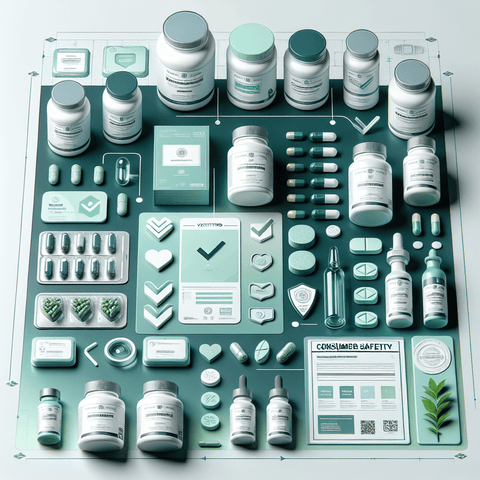
Dietary supplement authenticity is about ensuring the product you receive genuinely matches its label—the brand, the ingredients, the amounts, and the batch. With the growth of online shopping, the risk of encountering counterfeit or mislabeled supplements has increased. This guide explains how to verify authenticity, spot potential fakes, and choose safe, reliable products.
What Does Supplement Authenticity Mean?
At its core, authenticity means the product in your hand is exactly what the manufacturer produced and intended for sale. This includes correct ingredient lists, accurate concentrations, and proper packaging. An authentic product comes from the official supply chain, while a counterfeit is an unauthorized imitation that may contain incorrect, missing, or harmful ingredients. Mislabeled products, even if not outright fakes, also pose a risk because they do not accurately represent their contents.
Why Authenticity Matters for Your Health
Counterfeit supplements may appear convincing but can contain undeclared substances, incorrect dosages, or no active ingredient at all. Taking a product that does not match its label can mean you are not getting the intended nutritional support, or worse, you may consume something harmful. For this reason, verifying authenticity is not just about protecting your wallet—it is a critical step for protecting your health.
Step-by-Step Verification Methods
Use these practical checks to assess whether a supplement is likely authentic. No single method is foolproof, so combining several is recommended.
1. Inspect the Packaging
Carefully examine the outer box and bottle for signs of tampering. Check that the shrink wrap is intact and that the safety seal under the cap has not been broken. Authentic products typically have clean, consistent printing, while fakes may show poor color quality, blurry text, or misspellings.
2. Verify the Batch Code and Expiration Date
The lot or batch number and expiration date are usually stamped or printed on the bottle. An authentic product should have a clear, legible code that matches the format used by the manufacturer. Contact the brand's customer service or use their website to confirm that the batch number is valid.
3. Scan Barcodes and QR Codes
Barcodes and QR codes can be scanned with your smartphone. Some brands provide serial codes or QR features that allow you to verify a product's authenticity directly. If the scan returns no results or does not match the expected product page, this may be a warning sign.
4. Check the Label for Red Flags
Compare the label to official images from the brand. Look for differences in logo placement, ingredient listing, font, and regulatory information. An unusually low price or a seller you do not recognize are additional reasons to exercise caution.
5. Confirm with an Official Certificate
Request a Certificate of Analysis (COA) from the seller or manufacturer. A COA is a document from an independent lab that verifies the product's ingredient profile and concentrations. Always verify that the COA corresponds to the specific batch code on your bottle.
Using Technology to Verify Products
Many people ask how to scan a product to see if it is original. There are several approaches:
- Use your phone's camera to scan barcodes and see if the product appears in official databases.
- Check whether the brand offers a dedicated app for scanning a unique serial code or QR label.
- Search official brand websites for a product verification tool that accepts batch numbers.
These tools are most reliable when they direct you to the manufacturer's own system rather than to a third-party result.
Signs of Counterfeit Supplements
Being able to identify a fake is just as important as knowing how to verify an original. Common indicators include:
- Misspellings, grammatical errors, or unclear regulatory disclosures on the label.
- Printing quality that is visibly different from the official product.
- A broken seal, damaged packaging, or a bottle that looks refilled.
- A price that is significantly lower than standard retail prices.
- A seller who is not an authorized distributor and cannot provide supply chain information.
If you encounter these signs, do not use the product. Contact the brand directly to confirm whether the product is authorized for sale.
Choosing Trusted Sources and Third-Party Certifications
The best way to ensure authenticity is to buy from reputable retailers and directly from manufacturers. Brands that are transparent about their supply chain and that publish certificates of analysis demonstrate a commitment to quality. Third-party certification programs, such as USP Verified, NSF Certified, or ConsumerLab Approved, provide additional assurance, although not every legitimate product carries these seals.
When shopping for vitamins and minerals, you can also explore a curated selection of natural supplements to see the standards of quality and sourcing. For specific nutrient needs, reviewing dedicated guides such as the vitamin D guide can help you understand what to look for on a label. Additionally, familiarizing yourself with the sports supplements guide can highlight additional quality considerations for performance products.
Frequently Asked Questions on Authenticity
How can I tell if a product is original?
Check the packaging for a security seal, verify the batch number with the manufacturer, and compare the label against official images from the brand's website. Look for third-party verification seals, which add extra confidence.
How do I scan a product to see if it is original?
Use your smartphone camera to scan the barcode or QR code. If the brand provides a dedicated verification app, use that app to scan the code. Some brands also offer an online batch-code verification tool. In all cases, ensure the result matches the exact product you are holding.
Are there official apps to check if a product is authentic?
Some supplement brands offer their own mobile apps for authentication, while others rely on web-based lookups. There is no single universal app for all products; you should always check the specific brand's official website for their recommended verification method.
Where to Learn More
Supplement authenticity is just one aspect of making informed dietary choices. To build a complete understanding of supplements, explore detailed guides on multivitamins or mineral supplements. These resources help you distinguish between high-quality formulas and those that require closer scrutiny.
Remember that this information is intended for educational purposes and is not a substitute for professional medical advice. If you have concerns about a specific product or suspect an adverse reaction, contact a healthcare professional.