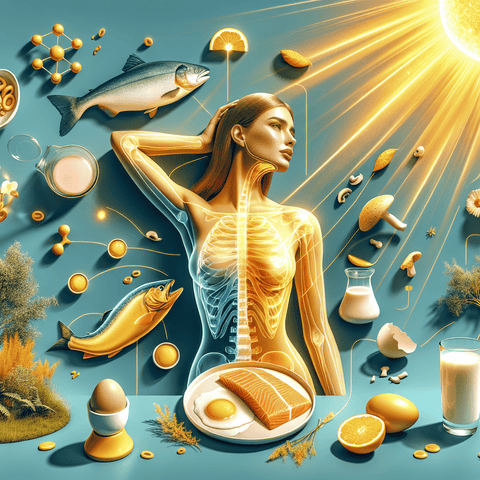
Voedingsbronnen van vitamine D: 15 voedingsmiddelen om uw vitamine D-inname te verhogen


Verken voedingsbronnen van vitamine D met een neuterend en praktisch overzicht. Deze pagina richt zich op voedingsbronnen van vitamine D, en helpt lezers inzien hoe deze opties kunnen voorkomen in dagelijkse keuzes. Het doel is om een helder raamwerk te bieden zonder gezondheidsclaims, met aandacht voor het begrijpen van terminologie en het overzicht van voedingsbronnen van vitamine D. In plaats van individuele items op te sommen, groepeert de gids voedingsbronnen van vitamine D in brede categorieën — natuurlijke bronnen, verrijkte producten en verrijkte alternatieven. Elke categorie wordt beschreven in termen van waar voedingsbronnen van vitamine D te vinden zijn, hoe verpakking geïnterpreteerd kan worden, en hoe ze kunnen passen in diverse dagelijkse routines. Suggesties voor gebruik worden gepresenteerd als flexibele ideeën in plaats van strikte recepten. Overweeg hoe porties, timing en combinaties kunnen werken tijdens maaltijden en snacks, met nadruk op praktische toepasbaarheid en variatie. De begeleiding blijft gericht op planning en bewustwording van voedingsbronnen van vitamine D. Gebruik dit hulpmiddel vandaag om na te denken over hoe voedingsbronnen van vitamine D mogelijk in jouw boodschappen en maaltijden passen, en houd voedingsbronnen van vitamine D centraal in je overwegingen.


What foods contain vitamin D? - Topvitamine
Jan 28, 2026
Voedingsmiddelen met vitamine D zijn vooral vette vis, eieren en sommige verrijkte producten. UV-blootgestelde paddenstoelen leveren een plantaardige vorm, terwijl verrijkte plantaardige dranken en een vegan vitamine D-supplement praktische opties kunnen zijn. In dit artikel lees je hoe voeding, zonlicht en suppletie samenhangen, welke rol vitamine D heeft en wanneer je bij klachten, medicijngebruik of een verhoogd risico advies aan een zorgprofessional vraagt.
What food is highest in vitamin D? - Topvitamine
Jan 15, 2026
Voeding met vitamine D bestaat vooral uit vette vis, eieren, UV-bestraalde paddenstoelen en verrijkte producten. Omdat maar weinig voedingsmiddelen van nature veel vitamine D bevatten, kan een supplement in bepaalde situaties een praktische aanvulling zijn. In dit artikel lees je hoe vitamine D2 en D3 verschillen, waarop je let bij een supplement en wat bekend is over vitamine D bij eczeem, diabetes, COPD en ADHD.
Is 2 eggs a day enough vitamin D? - Topvitamine
Oct 15, 2025
Twee eieren per dag leveren wel vitamine D, maar meestal slechts een klein deel van de dagelijkse behoefte. In dit artikel lees je hoeveel vitamine D eieren bevatten, welke andere voedingsmiddelen bijdragen en hoe vitamine D samenwerkt met calcium. Ook bespreken we supplementen, veilige dosering en aandachtspunten bij medicijngebruik, zoals diltiazem.

Vitamin D is a nutrient that many people associate with sunlight, but it also exists in a variety of foods. For those looking to understand dietary vitamin D sources, the topic is broader than a simple list of foods. It involves natural ingredients, fortified products, practical meal planning, and understanding how these sources compare. This guide provides a high-level overview of dietary vitamin D sources, helping you navigate the landscape of options and integrate them into your routine.

What Are the Main Dietary Vitamin D Sources?

Dietary vitamin D sources are typically divided into two primary groups: those that naturally contain vitamin D and those that have been fortified. Understanding this distinction is the foundation for recognizing how vitamin D appears in your diet.

Natural Contributors

Only a limited number of foods naturally contain significant amounts of vitamin D. These are the most straightforward sources for anyone seeking to increase their intake through whole foods.

  • Fatty fish, such as salmon, mackerel, and sardines, are among the most well-known natural sources.
  • Egg yolks provide a smaller amount, making them a versatile option for breakfast or baking.
  • Certain types of mushrooms, especially those exposed to UV light, can also contribute.

These natural contributors are important because they provide vitamin D in a form that is often well-absorbed. However, relying solely on these foods may make it challenging to reach higher intake levels, which is where fortified products become useful.

Fortified Products and Alternatives

Fortification is the process of adding nutrients to foods that do not naturally contain them. Many everyday products are fortified with vitamin D to help people meet their dietary needs.

  • Cow's milk is commonly fortified, though the practice varies by country and brand.
  • Plant-based milk alternatives, such as soy, almond, or oat milk, often have vitamin D added.
  • Breakfast cereals, yogurts, and some cheese products are also commonly fortified.
  • Some orange juice brands add vitamin D to their products.

The key to identifying fortified products is reading nutrition labels. Checking the ingredient list and the nutrition facts panel will tell you whether vitamin D has been added and how much is present per serving.

Comparing Natural and Fortified Sources

When comparing dietary vitamin D sources, it is helpful to consider both nutrient density and practical availability. Natural sources often provide vitamin D alongside other beneficial nutrients, such as omega-3 fatty acids in fish or protein in eggs. Fortified sources, on the other hand, offer a convenient way to include vitamin D in meals without changing the rest of your diet dramatically.

The amount of vitamin D in fortified foods can vary significantly. Always check the label to understand the specific contribution of a product to your daily intake. For a broader perspective on vitamin D and its various aspects, including supplements, you can review our vitamin D benefits, sources, and safety collection for more detailed information.

How to Include More Vitamin D in Your Diet

Incorporating dietary vitamin D sources into your routine does not require a complete overhaul of your eating habits. Instead, it can be a matter of small, consistent choices. The goal is to be aware of the options available and to use them in a way that fits your lifestyle.

  • Start with breakfast: Choose fortified cereals, add an egg to your meal, or use fortified plant milk in your coffee or smoothie.
  • Think about lunch: Add salmon or sardines to a salad or sandwich a couple of times a week.
  • Consider snacks: A fortified yogurt or a glass of fortified milk can be an easy snack option.
  • Be mindful of servings: Pay attention to portion sizes, as the vitamin D content is usually based on a specific serving size.

Variety is important. By rotating different sources throughout the week, you can enjoy a range of flavors and nutrients rather than relying on the same foods every day. If you are considering supplements, it may be helpful to understand the broader context of multivitamins and their usage.

Factors That Influence Vitamin D Levels

While dietary intake is important, it is not the only factor that contributes to your body's vitamin D status. Several other elements can affect how much vitamin D you have, which is useful to keep in mind when thinking about your diet.

Sunlight exposure is a primary way the body produces vitamin D. However, factors like latitude, season, skin pigmentation, and sunscreen use all influence how much vitamin D your skin can synthesize. Additionally, certain digestive conditions may affect how well vitamin D from food is absorbed.

Some lifestyle factors, such as a strictly plant-based diet, may also require more attention to fortified foods or supplements. Understanding these broader factors provides helpful context for why people may have different dietary vitamin D needs.

Practical Considerations and Supplements

For many people, dietary sources are sufficient to meet their vitamin D needs. However, there are situations where achieving adequate levels through food alone might be difficult. In such cases, some might consider vitamin D supplements.

Supplements are not a replacement for a balanced diet, but they are a widely used option for filling specific nutritional gaps. If you are exploring this route, you may want to understand how different supplement types are formulated. For instance, some supplements are fat-soluble, meaning they are best absorbed with a meal containing fat. You might find it useful to explore healthy origin supplement choices for product options. However, it is important to remember that supplements are one part of a broader picture.

Common Questions About Vitamin D in Food

There are several recurring questions about dietary vitamin D sources that can provide deeper insight into the topic.

What food is highest in vitamin D?

Among natural foods, fatty fish such as salmon and mackerel are generally considered to be among the richest sources. However, the exact amount can vary based on the type of fish and whether it is wild-caught or farmed. Fortified foods can also provide a significant amount per serving, so comparing labels is a reliable way to identify the highest sources.

What drains vitamin D from your body?

Several factors can influence vitamin D levels, though it is not accurate to say a single thing “drains” it. Limited sun exposure is a primary factor in lower levels. Additionally, body weight, age, and certain digestive disorders can affect how much vitamin D is absorbed and used. This is a complex area, and individual circumstances vary widely.

Exploring Dietary Vitamin D Sources Further

This guide provides a broad overview of dietary vitamin D sources, covering the main types, how to include them, and factors that affect your status. For more specific questions, such as detailed serving suggestions or in-depth comparisons, individual articles on this topic can offer more focused information.

Ultimately, understanding dietary vitamin D sources is about being an informed consumer. Reading labels, planning meals, and understanding the factors that influence your needs are all part of making thoughtful choices. Always consult with a qualified health professional for personalized dietary advice.