
Probiotica versus Prebiotica: het duidelijk zien van het verschil tussen deze termen helpt om de vakjargon rondom het microbiome in de darmen te doorgronden. In eenvoudige woorden zijn probiotica levende micro-organismen die in bepaalde preparaten aanwezig kunnen zijn, terwijl prebiotica stoffen zijn die moeilijk verteerbaar zijn voor de mens en in plaats daarvan door darmmicroben worden gebruikt. Deze uitleg benadrukt het kernachtige verschil tussen probiotica en prebiotica: de eerste betreft levende agenten, de tweede betreft substraten die microbacteriële gemeenschappen voeden. Het verschil tussen probiotica en prebiotica is een fundamentele onderscheidingslijn bij het evalueren van onderzoek en productinformatie, omdat het verwachtingen schept over wat wordt geleverd of aangeboden aan het microbieel ecosysteem. Vanuit mechanistisch perspectief verwijzen probiotica naar levende organismen die op soort- en stamniveau kunnen worden geïdentificeerd en die in formaten worden opgenomen die bedoeld zijn om de levensvatbaarheid tot gebruik te behouden. Prebiotica daarentegen zijn meestal niet-verterbare koolhydraten of gerelateerde stoffen die door het bovengale darmkanaal passeren en beschikbaar worden voor bepaalde microgliagroepen in de lagere darmen. Sommige stoffen kunnen kenmerken van beide categorieën delen, en er bestaan productconcepten die ze combineren, soms synbiotica genoemd. Het begrijpen van het verschil tussen probiotica en prebiotica helpt lezers om etikettering, onderzoeksresultaten en de doelen van verschillende interventies te interpreteren zonder de twee categorieën door elkaar te halen. Bij het evalueren van opties moet je je richten op etikettering en studiedetails in plaats van algemene claims. Als een product of studie een levend micro-organisme met een precies taxonomisch designation en een aangegeven levensvatbaarheid toont, dan is het een probiotisch element; als de vermelding een fermenteerbare substrate of niet-verteerbare koolhydraat aangeeft dat als prebioticum dient, dan is het een prebioticum. Voor een wetenschappelijk onderbouwde interpretatie moet je letten op de specifics van het onderzoeksdesign: de specifieke stam of substrate die wordt bestudeerd, de dosis of concentratie die wordt gebruikt, en de kenmerken van de onderzochte populatie, aangezien resultaten kunnen variëren afhankelijk van de context. Let ook op regelgeving en kwaliteitscontrole, die invloed hebben op hoe informatie wordt gepresenteerd en hoe producten worden gemaakt of getest. Samengevat hangt het verschil tussen probiotica en prebiotica af van wat wordt geleverd: een levend micro-organisme versus een substrate dat bepaalde microben voedt. Bij het kiezen tussen deze categorieën moet je vertrouwen op precieze etikettering, de huidige wetenschappelijke context en indien nodig professioneel advies. Door de onderscheid te onthouden—het verschil tussen probiotica en prebiotica—kun je informatie over deze termen benaderen met een helder raamwerk en voorkomen dat je de categorieën in discussies of besluitvorming door elkaar haalt.
Probiotica vs Prebiotica: Het Duidelijke Verschil en Welke Te Kiezen
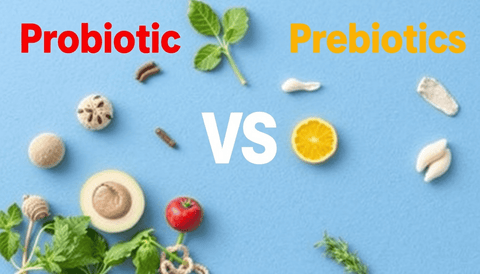
Probiotics and prebiotics are core concepts in any conversation about gut health, but they are often confused. While their names are similar, they play distinct and complementary roles in supporting a balanced digestive system. In short, probiotics are live beneficial microorganisms, and prebiotics are the food that helps those microorganisms thrive. Understanding this fundamental difference is key to interpreting product labels, evaluating research, and making informed choices for your wellness routine.
Defining Probiotics: The Beneficial Microbes
Probiotics are live microorganisms that, when consumed in adequate amounts, are intended to provide a health benefit to the host. They are often described as "good" or "friendly" bacteria because they help maintain a balanced environment in the gut. A characteristic feature of a true probiotic is that the specific strain is identified and the product is manufactured to maintain the viability of the organisms until they are consumed.
Common sources of probiotics include fermented foods such as yogurt, kefir, sauerkraut, and kimchi. When looking at a supplement label, a probiotic will typically list the genus, species, and strain of the microorganism, like Lactobacillus rhamnosus GG, and the number of live organisms (colony-forming units or CFUs) available at the time of manufacture.
Defining Prebiotics: The Microbial Fuel
Prebiotics are substrates that are not digested by the human host but are selectively utilized by beneficial microorganisms in the gut. In practical terms, they are a type of fiber that acts as fuel for the existing healthy bacteria in your digestive system. Instead of introducing new microbes, prebiotics help the beneficial ones already present grow and become more active.
Excellent natural sources of prebiotic fiber include bananas, onions, garlic, leeks, asparagus, oats, and apples. On a supplement label, you may see prebiotics listed by their chemical name, such as inulin, fructooligosaccharides (FOS), or galactooligosaccharides (GOS).
How Probiotics and Prebiotics Work Together
The true power for digestive wellness often lies in how probiotics and prebiotics work in concert. Probiotics aim to add beneficial strains to your gut, while prebiotics aim to nourish and promote the growth of beneficial bacteria. This partnership is so well recognized that a term exists for products that combine both: synbiotics.
By supporting both the introduction and the maintenance of beneficial bacteria, a balanced approach may be more effective than focusing on only one. For general wellness, a diet rich in both fermented foods and high-fiber plant foods is often a practical first step.
A Quick Comparison: Probiotics vs. Prebiotics
To clearly differentiate the two, consider this comparison table:
- Nature: Probiotics are live microorganisms; Prebiotics are non-digestible plant fibers.
- Function: Probiotics add new beneficial bacteria; Prebiotics feed existing beneficial bacteria.
- Examples: Probiotic sources include yogurt, kefir, and fermented vegetables; Prebiotic sources include bananas, onions, and whole grains.
- Labeling: Probiotics are identified by their strain and CFU count; Prebiotics are identified by their fiber name such as inulin or FOS.
Why Understanding the Distinction Matters
Understanding whether a product contains probiotics, prebiotics, or both helps set realistic expectations. If you are looking to diversify your gut flora, a probiotic may be the focus. If you want to support the beneficial bacteria you already have, increasing prebiotic fiber intake is a primary strategy. Many people may choose to incorporate both for a comprehensive approach.
Key Considerations for Supplements
If you are considering a supplement, it is important to evaluate the label carefully. Look for a probiotic that clearly states the genus, species, and strain, and also indicates the number of live organisms expected at the end of shelf life. For a prebiotic, the label should specify the type of fiber and the amount per serving. Quality control and manufacturing practices are also important factors to consider.
Exploring different supplement formats can help you find what works for your routine. For a broad overview, you can explore our probiotics and prebiotics supplements category to see the types of products available. For a wider view of nutritional supplements, our natural supplements collection provides an overview of different options.
Safety and General Guidance
For most healthy people, probiotics and prebiotics from food sources are well-tolerated. Some individuals may experience mild digestive discomfort, like gas or bloating, when they first increase their intake. As with any supplement, it is wise to consult with a healthcare professional before starting, especially if you have underlying health conditions or are taking medication.
This page provides a foundational understanding of the difference between probiotics and prebiotics. For more specific questions, such as the signs that you might need prebiotics, how they interact with other foods, or details on specific types, the associated articles on this topic provide a much deeper dive into those individual areas.