
Op deze pagina leer je over de vroege tekenen van vitamine D-tekort en waarom het belangrijk is om ze vroeg te herkennen. We schetsen zeven signals om op te letten, wat ze kunnen aangeven en praktische stappen die je vandaag kunt overwegen om zorg te dragen. Onthoud dat het opmerken van deze signalen geen diagnose is, maar het kan een constructief gesprek met een professional stimuleren die je symptomen in de context kan bekijken. Onder de zeven vroege tekenen van vitamine D-tekort om op te letten, zijn aanhoudende vermoeidheid, onverklaarde bot- of rugpijn, spierzwakte of krampen, stemmingsveranderingen zoals zich neerslachtig of prikkelbaar voelen, veranderingen in haar zoals dunner wordend haar, een tragere wondgenezing en ongemak in gewrichten of botten. Elk van deze tekenen kan geleidelijk optreden en kan verschillen van persoon tot persoon. Het zien van meer dan één teken tegelijk kan bijzonder opvallend zijn, maar individuele ervaringen vereisen nog steeds professionele evaluatie. Deze signalen kunnen wijzen op een vitamine D-tekort, maar kunnen ook overlappen met andere aandoeningen. Een zorgprofessional kan je medische geschiedenis bekijken, recente veranderingen bespreken en bepalen of testen passend is. Als testen wordt aanbevolen, kunnen zij je begeleiden bij de verdere stappen en je helpen begrijpen wat de resultaten voor jou betekenen. Snelle tips om vandaag te overwegen: houd een eenvoudige dagboek bij van de signalen en wanneer ze begonnen; plan een gesprek met een zorgprofessional om symptomen te bespreken en testopties te bespreken; bereid vragen voor die je wilt stellen over welke informatie kan helpen om deze signalen te verduidelijken; let op veranderingen en zoek tijdig medische zorg als nieuwe tekenen verschijnen of bestaande verergeren.
7 Vroegsignalen van vitamine D-tekort die je niet mag negeren
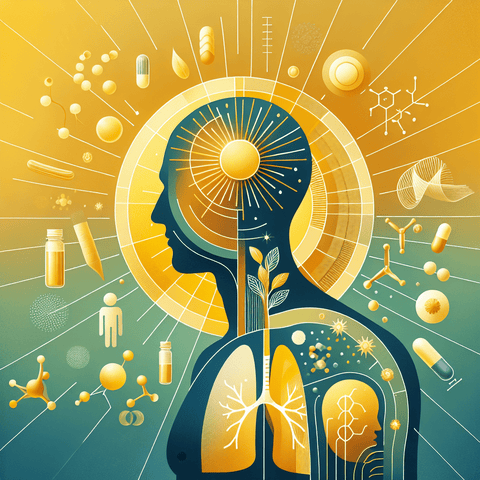
Vitamin D deficiency often develops gradually, and its earliest signs can be easy to overlook. That is why many people look into the early indicators of vitamin D deficiency: recognising possible signs sooner can prompt a timely conversation with a healthcare professional. This page provides a broad overview of the topic — what vitamin D deficiency is, the early indicators most often described, what can drain vitamin D from the body, who may be more at risk, and how food, supplements and testing fit into the picture. The articles collected under this tag then explore specific questions in more depth.
What Is Vitamin D Deficiency?
Vitamin D is a fat-soluble vitamin that the body can produce when skin is exposed to sunlight. It also comes from certain foods and from supplements. Vitamin D plays a role in normal immune function and is widely associated with bone and muscle health, which is one reason why low levels are taken seriously.
Vitamin D deficiency describes a state in which levels of the vitamin have fallen low enough to be regarded as a concern by healthcare professionals. It usually develops gradually rather than suddenly, which is one reason the early signs tend to be subtle. Because its symptoms overlap with those of many other conditions, deficiency is normally confirmed through a blood test rather than on the basis of signs alone.
For a broader introduction to this nutrient — including its sources, safety and general uses — you can explore our vitamin D collection, which gathers relevant products and background guidance in one place.
Early Indicators of Vitamin D Deficiency
The signs most often described in connection with low vitamin D include the following. They can appear gradually and may vary from person to person:
- Persistent tiredness or fatigue that rest does not seem to resolve.
- Unexplained bone or back discomfort.
- Muscle weakness, cramps or generalised muscle aches.
- Mood changes, such as feeling low, down or more irritable than usual.
- Hair thinning or increased hair loss.
- Slower wound healing than you would normally expect.
- Falling ill frequently, for example with colds or other infections.
- Tingling or numbness in the hands or feet.
These indicators can point to a vitamin D status issue, but they can also overlap with many other conditions. A healthcare professional can review your medical history, discuss recent changes and determine whether testing is appropriate. Seeing several of these signs together may be more noteworthy than experiencing a single one, but individual experiences still require professional evaluation.
Signs That Are Easy to Miss
Some early indicators are particularly subtle. Changes in hair, slower healing of small wounds, a persistently low mood and recurrent infections are often attributed to stress, busy periods or other everyday causes, while tingling in the hands or feet is easy to dismiss. Because none of these signs is unique to vitamin D, they are best viewed as part of a wider picture rather than as proof of deficiency in their own right.
What Can Drain Vitamin D From Your Body?
Vitamin D status reflects the balance between how much the body makes and absorbs and how much it uses. Several factors are commonly described as draining vitamin D or contributing to lower levels:
- Limited sun exposure, whether due to season, latitude, indoor lifestyles or covering most of the skin outdoors.
- Low dietary intake of vitamin D-rich foods.
- Conditions that affect the absorption of fats in the gut, as vitamin D is fat-soluble.
- Higher body weight, which is often discussed in connection with lower vitamin D status.
- Kidney and liver health, since both organs are involved in processing vitamin D into its active forms.
- Certain medications that can interfere with vitamin D metabolism.
- Older age, as the skin's production of vitamin D tends to decline over time.
In practice, low vitamin D levels often result from a combination of these factors rather than a single cause. Because several organs — including the skin, liver and kidneys — are involved in producing and processing vitamin D, there is rarely one single explanation for low levels.
Who May Be More at Risk?
Groups often considered to be at higher risk of low vitamin D include older adults, people with naturally darker skin, people who spend little time outdoors or habitually cover their skin, and people with medical conditions that affect the absorption or processing of vitamin D. If you identify with one or more of these groups, it may be worth mentioning vitamin D during your next healthcare appointment.
Food Sources of Vitamin D
Sunlight is the main natural source of vitamin D for most people, but food contributes as well. Foods commonly cited as sources of vitamin D include:
- Oily fish, such as salmon, trout, mackerel, herring and sardines.
- Foods fortified with vitamin D, such as certain margarines, breakfast cereals and dairy or plant-based drinks — check the label to be sure.
- Egg yolks, which contain small amounts of vitamin D.
Because relatively few foods naturally provide meaningful amounts of vitamin D, diet alone may not be sufficient for everyone, particularly during months with limited sunlight. Vitamin D is also included in many multivitamins, which some people find a convenient way to support their overall nutrient intake alongside a varied diet.
Vitamin D Supplements: General Considerations
Vitamin D supplements are most commonly based on vitamin D3, the form the skin also produces in response to sunlight. They are widely used to help maintain intake when sunlight or diet falls short — for example during winter, or by people who spend most of their time indoors. How quickly vitamin D levels respond varies from person to person, so there is no universal 'fastest' fix; a healthcare professional can help determine what approach makes sense for your situation.
There is no single intake amount that suits everyone, so it is sensible to follow the guidance on the product label or the advice of a healthcare professional. Vitamin D is also often discussed alongside calcium, because both nutrients are associated with bone health; our calcium supplements category provides more background and options.
Practical Steps You Can Take
If you recognise one or more of these indicators, a structured approach can help you make the most of a conversation with a healthcare professional:
- Keep a simple diary of the signs you notice and when they started.
- Arrange a conversation with a healthcare professional to review your symptoms and discuss whether testing may be appropriate.
- Prepare questions in advance, such as which findings would help clarify the possible causes of your symptoms.
- Monitor changes over time and seek timely care if new signs emerge or existing ones worsen.
When to Consider Getting Tested
Vitamin D status is usually assessed with a 25-hydroxyvitamin D blood test. Rather than drawing conclusions from symptoms alone, it is best to discuss testing with a healthcare professional, who can interpret the result in the context of your overall health, diet, lifestyle and any medical conditions.
It is generally worth seeking medical advice if signs such as persistent fatigue, bone or muscle discomfort or mood changes continue for several weeks, worsen over time or begin to interfere with daily life. Remember that noticing these signs is not a diagnosis — it is a useful starting point for a professional conversation.
The information on this page is general and educational in nature. It is not intended as personalised medical advice and does not replace consultation with a qualified healthcare professional.
Exploring Vitamin D Further
This tag brings together Topvitamine articles that look at individual aspects of vitamin D deficiency in greater depth — from specific signs and causes to food sources and supplement questions. Reading the broad overview above first can make it easier to place each article in context and decide which questions you would like to explore next.