
Enteric gecoate supplementen zijn geformuleerd met een beschermende polymeerlaag die de kern van een pil of capsules omringt. Deze coating is ontworpen om bestand te zijn tegen de zure omgeving van de maag en te beginnen met oplossen wanneer het de hogere pH-omstandigheden van de dunne darm bereikt. Door te controleren waar en wanneer een product zijn inhoud vrijlaat, vormen enteric gecoate supplementen een gerichte benadering binnen de formulatiewetenschap om milieu-exposure tijdens het passeren door het spijsverteringskanaal te beheersen. Hoe coatings werken, draait om barrière-eigenschappen en pH-geactiveerde oplossing. De coating vormt een barrière die in maagvocht intact blijft, maar oplost of permeabel wordt bij hogere pH-niveaus in de darmen. Het wandmateriaal wordt geselecteerd op basis van chemische stabiliteit, filmvormingsvermogen en specifiek oplossingsgedrag. In de praktijk behouden coatings hun integriteit tijdens de maagtransit en ontwijken ze in de darmomgeving, waardoor de kern op een gecontroleerde manier kan worden vrijgegeven. Dissolutie-testen in gesimuleerd maag- en darmvocht worden vaak gebruikt om de prestaties te karakteriseren. Coatingmaterialen die worden gebruikt in enteric gecoate supplementen behoren tot verschillende polymeerfamilies. Veelgebruikte opties omvatten bepaalde cellulosederivaten en synthetische polymeren zoals methacrylaten. Voorbeelden hiervan zijn celluloseacetaatftalaat en hydroxypropylmethylcellulosenftalaat, evenals methacrylaatco-polymeren uit de Eudragit-familie. Elk materiaal heeft een gedefinieerde pH-dissluitrigger en een gekozen filmdikte die de vrijgave beïnvloedt. De keuze van coating hangt af van de gewenste vrijgavelocatie, stabiliteit tijdens verwerking en compatibiliteit met de kernformulering. Praktische overwegingen voor productie en labeling betreffen het coatingproces zelf, kwaliteitscontrole en opslagomstandigheden. Productiestappen omvatten het aanbrengen van de coatinglaag, drogen en testen om een uniforme dekking en afwezigheid van defecten te waarborgen. Verpakkings- en milieufactoren zoals vochtigheid en temperatuur kunnen de coatingintegriteit in de tijd beïnvloeden. Bij het beoordelen van informatie over enteric gecoate supplementen wordt meestal aandacht besteed aan aangegeven vrijgavedata, testgegevens en gebruiksaanwijzingen om te begrijpen hoe de coating onder reële omstandigheden gedraagt.
Enteric-coated supplementen: Verbeter de opname en bescherm je maag
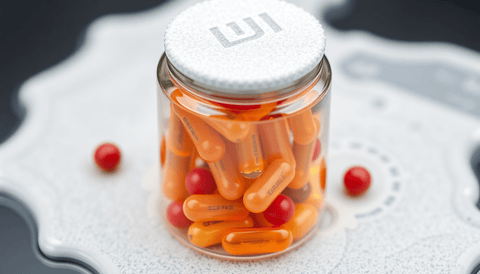
Enteric-coated supplements are a specific category of oral supplements designed with a special protective layer. This layer, known as an enteric coating, is not just an extra step in manufacturing; it serves a crucial purpose in how the supplement interacts with your digestive system. This guide explains what enteric coating is, why it’s used, its potential benefits and drawbacks, and what you should consider when you encounter these products.
What Does Enteric-Coated Mean?
The term "enteric" refers to the intestine. An enteric coating is a polymer barrier applied to the outside of a pill, tablet, or capsule. Its primary function is to resist the acidic, digestive environment of the stomach. Instead of dissolving in the stomach, the coating is designed to remain intact until the supplement reaches the small intestine, where the pH level is higher. This pH-triggered mechanism ensures that the supplement's contents are released in a specific part of the digestive tract, a process often referred to as targeted delivery.
This technology is used for both medications and supplements for several key reasons, such as protecting sensitive ingredients from stomach acid or preventing stomach irritation from certain compounds. For dietary supplements, this can be particularly relevant for ingredients that are delicate or that are better absorbed in the intestines.
Potential Benefits of Enteric-Coated Supplements
The design of enteric-coated supplements offers several potential advantages compared to standard, non-coated options.
- Protection of Sensitive Ingredients: Some nutrients, like certain enzymes, probiotics, and plant extracts, can be degraded or inactivated by stomach acid. An enteric coating helps protect these ingredients so they can reach the intestines intact.
- Reduced Stomach Upset: Certain supplements, such as high doses of omega-3 fatty acids or some minerals, can cause nausea or stomach irritation for some individuals. By bypassing the stomach's acidic environment, enteric coatings can help minimize this potential discomfort.
- Targeted Absorption: The small intestine is the primary site for nutrient absorption. A coating that releases the supplement's contents in the intestine may, in some cases, lead to more efficient absorption than if it dissolved in the stomach.
How to Identify an Enteric-Coated Supplement
Identifying an enteric-coated supplement is usually straightforward. The product label is the most reliable source of information. Look for the terms "enteric-coated," "acid-resistant," or "delayed-release" on the packaging. The supplement facts panel may also list an ingredient like "cellulose acetate phthalate" or "methacrylic acid copolymer," which are common coating materials. If you are ever unsure, the product's official website or a healthcare professional can provide clarification.
Potential Disadvantages and Considerations
While enteric coatings offer benefits, there are also potential disadvantages and practical considerations to keep in mind.
- Difficulty Swallowing: The coating can sometimes make the pill larger or slightly harder to swallow than an uncoated version.
- Potential for Reduced Absorption: If the coating does not dissolve properly, or if the supplement moves through the digestive tract too quickly, the full dose may not be released or absorbed, potentially reducing its effectiveness. This is why manufacturing quality and dissolution testing are critical.
- Cost: The additional manufacturing step can make enteric-coated products more expensive than their standard counterparts.
- Interaction with Other Substances: Certain foods or medications that alter stomach pH or gut motility could theoretically affect how an enteric coating behaves.
It is always important to follow the storage instructions on the label, as humidity and temperature can affect the integrity of the coating over time.
Examples of Enteric-Coated Products
Enteric coating is a common technology in both the pharmaceutical and supplement industries. You will often find it on specific types of products.
- Certain Probiotic Supplements: To protect live bacteria from stomach acid.
- Digestive Enzymes: To ensure they reach the small intestine to aid in digestion where they naturally work.
- Omega-3 Fatty Acids: To help prevent "fish burps" and potential stomach upset.
- Some Herbal Extracts: To protect sensitive plant compounds from degradation.
The Manufacturing and Quality Control Process
The process of creating an enteric-coated supplement involves several critical steps to ensure the coating is uniform and effective. First, the core tablet or capsule is created. Then, the coating is applied, often through a spray process, to create a consistent film around the core. This is followed by a drying step. Quality control is paramount. Manufacturers use dissolution testing, which involves placing the coated product in simulated gastric and intestinal fluids, to verify that it remains intact in stomach-like conditions and releases its contents as intended. This testing ensures the product meets its stated release characteristics.
Exploring Your Supplement Options
Enteric coating is just one of many formulation technologies used in the supplement industry. If you are looking for specific types of supplements, understanding this technology can help you make more informed choices. For example, many brands offer probiotic and prebiotic supplements with enteric coatings to protect the beneficial bacteria. Similarly, specialized DHA and EPA omega-3 supplements are often enteric-coated to reduce reflux. For a broader view of your options, you can also explore the range of natural supplements available.