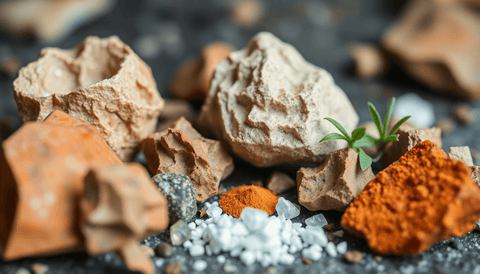
Essentiële mineralen: Ontdek de essentiële voedingsstoffen die je lichaam nodig heeft voor optimale gezondheid


Essentiële mineralen zijn anorganische elementen die door het lichaam in specifieke hoeveelheden nodig zijn om fundamentele biologische functies te ondersteunen. Omdat het lichaam deze elementen niet in voldoende hoeveelheden kan synthetiseren, moeten ze van externe bronnen worden verkregen en binnen een regelmatig innamepatroon worden gehouden om evenwicht te bewaren. Essentiële mineralen vallen in twee brede groepen: macro-mineralen, die in grotere hoeveelheden nodig zijn, en spoormineralen, die in kleinere hoeveelheden vereist zijn. Macro-mineralen omvatten elementen zoals calcium, fosfor, kalium, magnesium, natrium, chloride en zwavel, terwijl spoormineralen ijzer, zink, koper, mangaan, jodium en selenium omvatten, onder anderen. Elk mineraal heeft een duidelijke rol en draagt bij aan het algehele reguleringssysteem dat normale lichaamsprocessen ondersteunt. In de praktijk werken essentiële mineralen met elkaar samen en vormen ze een netwerk van relaties dat de nadruk legt op balans en gevarieerdheid in de inname. Het begrijpen van hoe deze mineralen samenwerken helpt te verduidelijken waarom een doordachte, holistische aanpak bij het beheer van de inname nuttig is en hoe verschillende mineralen de beschikbaarheid en functie van elkaar kunnen beïnvloeden. Om de inname vandaag te optimaliseren, wordt aanbevolen te verwijzen naar vastgestelde richtlijnen die de aanbevolen bereiken en dagelijkse hoeveelheden beschrijven, en professioneel advies in te winnen om je persoonlijke situatie te interpreteren. Het doel is om een duurzaam patroon voor essentiële mineralen te ontwikkelen dat aansluit bij je bredere doelen, in plaats van snelle, geïsoleerde aanpassingen na te streven.


Which 102 minerals does the body need? - Topvitamine
Jul 15, 2026
Ontdek welke 102 mineralen je lichaam nodig heeft voor een optimale gezondheid. Leer hun belangrijkste functies, dagelijkse behoeften en de beste voedingsbronnen—plus tips om tekorten op een natuurlijke manier te voorkomen.
What are the 7 most needed minerals? - Topvitamine
Jun 29, 2026
Ontdek de 7 essentiële mineralen die je lichaam nodig heeft voor optimale gezondheid. Leer hoe deze essentiële voedingsstoffen je welzijn ondersteunen en wat de beste bronnen zijn om in je dieet op te nemen. Lees nu meer!
What Are Trace Minerals and Why Your Body Needs Them | Topvitamine - Topvitamine
Jul 06, 2025
Sporenelementen zijn mineralen die je lichaam in kleine hoeveelheden nodig heeft voor onder meer zuurstoftransport, enzymen, schildklierhormonen en bescherming van cellen. In dit artikel lees je het verschil tussen sporenelementen en grote mineralen, ontdek je belangrijke voedingsbronnen en leer je waarom klachten niet automatisch op een tekort wijzen. Ook bespreken we wanneer een mineralensupplement kan passen en waarop je bij veilig gebruik let.

Essential minerals are a diverse group of nutrients that play a fundamental role in human health. They are inorganic elements that the body cannot produce on its own, which means they must come from external sources such as food, water, and supplements. This tag page provides a broad overview of these nutrients, their categories, their general functions, and practical considerations for maintaining adequate intake.

Understanding Essential Minerals

The term "essential minerals" refers to inorganic nutrients that must be obtained through the diet because the body cannot synthesize them in sufficient quantities. They are involved in countless physiological processes, from building strong bones and teeth to supporting nerve transmission and maintaining a healthy fluid balance. They are generally divided into two groups: macro-minerals and trace minerals.

Macro-Minerals: Needed in Larger Amounts

Macro-minerals are required in relatively large quantities, typically more than 100 milligrams per day. This group includes:

  • Calcium
  • Phosphorus
  • Potassium
  • Magnesium
  • Sodium
  • Chloride
  • Sulfur

Trace Minerals: Needed in Smaller Amounts

Trace minerals are equally important but are required in smaller amounts, typically less than 100 milligrams per day. Common trace minerals include:

  • Iron
  • Zinc
  • Copper
  • Manganese
  • Iodine
  • Selenium

These distinctions are useful for understanding general intake recommendations, though individual needs can vary based on age, sex, and overall health.

The Roles of Essential Minerals in the Body

Each essential mineral has a distinct role. For instance, calcium is well known for its contribution to bone health, while iron is involved in oxygen transport. Magnesium supports muscle and nerve function, and potassium helps maintain normal blood pressure. Zinc plays a role in immune support and wound healing, while iodine is necessary for thyroid function. These functions highlight the wide-reaching importance of a balanced intake of minerals from various food sources.

Sources of Essential Minerals

A balanced and varied diet is the primary way to obtain essential minerals. Good sources include:

  • Dairy products for calcium
  • Leafy green vegetables for magnesium and calcium
  • Legumes, nuts, and seeds for zinc, magnesium, and iron
  • Whole grains for selenium and phosphorus
  • Fish and shellfish for iodine, selenium, and zinc
  • Meat and poultry for iron and zinc

Although a well-balanced diet is generally sufficient for most people, certain groups may need to pay closer attention to specific minerals. For practical guidance on supplementation, exploring a mineral supplements guide can be a useful starting point.

How Minerals Interact and Why Balance Matters

Essential minerals do not function in isolation. They interact with each other in ways that can affect absorption and effectiveness. For example, calcium and vitamin D are often discussed together because of their roles in bone health, while iron absorption can be influenced by other dietary components. These interactions mean that a thoughtful, holistic approach to mineral intake is generally more beneficial than focusing on a single nutrient in isolation.

The concept of balance is central to understanding essential minerals. Getting too little of one mineral may affect how the body uses others. Similarly, excessive intake of a particular mineral can sometimes interfere with the absorption of another. This is why diversity in dietary intake is often emphasized, as it naturally helps maintain a healthy balance of nutrients.

Supplements and Mineral Intake

For some individuals, dietary intake may not always meet the recommended levels of certain minerals. In such cases, supplements can be considered. It is important to approach supplementation with informed guidance. Formulated mineral supplements provide a way to address specific needs, such as magnesium support for muscle and nerve function, or calcium for bone health. Always look for products from reputable sources and follow the recommended usage guidelines.

Key Considerations for Mineral Intake

When thinking about essential minerals, several broad factors are worth considering:

  • Dietary guidelines provide a useful framework, but individual requirements may vary.
  • Certain life stages and conditions may create different needs.
  • The form of a supplement can affect how the body absorbs the mineral.
  • It is advisable to consult a healthcare professional for personalized advice.

For a deeper dive into a specific nutrient, the associated articles under this tag provide focused information on individual minerals, their benefits, sources, and safety considerations.