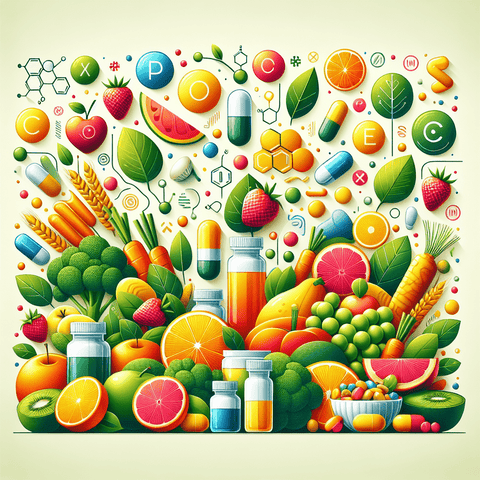
Essentiële voedingsstoffen: Een duidelijk, wetenschappelijk onderbouwde gids voor een betere gezondheid


Essentiële voedingsstof is een term die wordt gebruikt in de voedingswetenschap om een stof te beschrijven die het lichaam niet in voldoende hoeveelheden kan synthetiseren en die via de voeding moet worden verkregen om een normale fysiologie te ondersteunen. Zonder voldoende inname van een essentiële voedingsstof kunnen bepaalde biologische processen worden aangetast, daarom is het begrijpen van dit concept belangrijk voor de algehele functie. Deze pagina heeft als doel een duidelijke, wetenschappelijk onderbouwde ontleding te presenteren van wat kwalificeert als een essentiële voedingsstof en hoe onderzoekers de rol ervan in metabolisme en groei bepalen. Categorieën van essentiële voedingsstoffen omvatten macronutriënten en micronutriënten. Macronutriënten—zoals eiwitten, vetten en koolhydraten—leveren energie en structurele componenten die in grotere hoeveelheden nodig zijn, terwijl micronutriënten—vitaminen, mineralen en spoorelementen—vaak fungeren als cofactoren of regulators op cellulair en metabolisch niveau. Water en elektrolyten worden ook als essentieel beschouwd voor het handhaven van hydratatie en het ondersteunen van diverse lichaamsprocessen. Sommige stoffen zijn altijd essentieel, terwijl andere onder bepaalde omstandigheden of levensfasen conditioneel essentieel kunnen worden. Wetenschappers bepalen de essentiële status door bewijs dat een voedingsstof noodzakelijk is voor normale functies. Ze bestuderen de innamevereisten, bekijken biomarkerstatus en beoordelen hoe tekorten of disbalansen de fysiologie beïnvloeden. Richtlijnen die referentie-innames beschrijven, bieden richtranges die bedoeld zijn om zowel individuen als professionals te informeren over de geschiktheid. Het idee van een essentiële voedingsstof dient als een fundamenteel raamwerk voor het interpreteren van de voedingswetenschap en het verduidelijken van wat het lichaam nodig heeft om zijn activiteiten te ondersteunen. Om het welzijn binnen dit raamwerk te optimaliseren, is het belangrijk om de inname consequent te benaderen met balans en aandacht voor het concept van essentiële voedingsstoffen. Levensfase, gezondheidscondities en fysiologische staten kunnen de behoeften beïnvloeden, dus is het nuttig om te focussen op betrouwbare informatie over bio beschikbaarheid en innamepatronen. Door voeding te bekijken vanuit het perspectief van essentiële voedingsstoffen, kun je informatie kritisch benaderen, nauwkeurigheid prioriteren en een wetenschappelijk onderbouwde aanpak ontwikkelen om te begrijpen hoe het lichaam aan zijn behoeften voldoet.


Which vitamin is the healthiest to take daily? - Topvitamine
Nov 27, 2025
Er bestaat niet één gezondste vitamine voor iedereen. Welke vitamine je het beste dagelijks kunt nemen, hangt af van je voeding, leeftijd, leefstijl en eventuele medische factoren. Vitamine D kan relevant zijn bij weinig zonlicht, terwijl vitamine B12, foliumzuur of andere voedingsstoffen vooral in specifieke situaties extra aandacht vragen. Ontdek wanneer een los supplement, multivitamine of helemaal geen supplement passend kan zijn.
What is the number one most important vitamin to take? - Topvitamine
Oct 15, 2025
Er bestaat niet één vitamine die voor iedereen het belangrijkst is. Toch krijgt vitamine D vaak extra aandacht door de rol bij botten, spieren en de normale werking van het immuunsysteem. In dit artikel lees je hoeveel vitamine D je gemiddeld nodig hebt, welke voedingsbronnen er zijn, wanneer een supplement kan passen en waarom hoge doseringen, zoals 5000 IE per dag, niet zonder overleg moeten worden gebruikt.
Which vitamin should be taken daily? - Topvitamine
Oct 06, 2025
Welke vitamines moet je dagelijks nemen? Dat hangt af van je leeftijd, voeding, leefstijl en gezondheid. Niet iedereen heeft standaard een supplement nodig. In deze gids lees je welke functies vitamine D, vitamine B12, vitamine C, vitamine A, vitamine E en zink hebben, voor wie extra aandacht nodig kan zijn en waarop je let bij een multivitamine. Ook bespreken we vragen over COPD, een trage schildklier en rosacea.

Essential nutrients are the substances your body needs to function correctly but cannot make in sufficient quantities on its own. This means they must come from your diet. This page explains what essential nutrients are, why they matter, and how to make sure you get the right balance from the foods you eat.

What Are Essential Nutrients?

In nutrition science, an essential nutrient is one that the body cannot synthesize internally in adequate amounts to maintain normal physiological function. Therefore, it must be obtained through the diet. This is distinct from non-essential nutrients, which the body can produce on its own from other compounds.

The status of a nutrient as 'essential' is established through scientific research. Scientists study the body's requirements by examining biomarkers of nutrient status, observing the effects of deficiencies, and conducting clinical trials to understand what happens when intake is inadequate. This evidence helps establish reference intakes, such as Dietary Guidelines, which provide target ranges for nutrient consumption to inform both individuals and health professionals. This framework is the foundation for understanding what your body requires to sustain its daily activities.

The Six Essential Nutrient Groups

The essential nutrients can be understood by grouping them into six main categories. Each group performs distinct but interconnected roles in supporting health.

  • Carbohydrates: The body's primary source of energy. They are broken down into glucose, which fuels your brain, muscles, and other tissues. Good sources include whole grains, fruits, vegetables, and legumes.
  • Proteins: The building blocks for muscles, tissues, enzymes, and hormones. They are made up of amino acids, some of which are essential because the body cannot produce them. Protein is found in meat, poultry, fish, eggs, dairy, beans, and lentils.
  • Fats: A concentrated source of energy and essential for hormone production, vitamin absorption, and cell membrane integrity. Healthy fats are found in avocados, nuts, seeds, olive oil, and fatty fish.
  • Vitamins: Organic compounds needed in small amounts to support various biochemical reactions, from immune function to bone health. Each vitamin has a specific role, and they are commonly found in a wide range of foods like fruits, vegetables, and dairy.
  • Minerals: Inorganic elements that are crucial for building strong bones and teeth, regulating metabolism, and maintaining proper hydration. Common minerals include calcium, iron, magnesium, and zinc, found in foods like leafy greens, nuts, and dairy products.
  • Water: While often overlooked, water is a vital nutrient. It regulates body temperature, transports nutrients, removes waste, and cushions joints. The amount needed varies based on activity level and climate.

These six groups form the complete list of essential nutrients that you need to get from your diet to maintain health. While you may see references to a 'seventh' nutrient, such as fiber, it is actually a type of carbohydrate that provides important digestive benefits.

Macronutrients vs. Micronutrients: Understanding the Difference

A key distinction in nutrition is between macronutrients and micronutrients. This difference is based on the amount each is required. Carbohydrates, proteins, and fats are macronutrients, needed in larger, gram-level quantities. They supply the body with energy (calories) and the raw materials for growth and repair.

Vitamins and minerals are micronutrients, needed in much smaller, milligram or microgram-level quantities. They don't provide energy themselves, but they act as facilitators, helping the body utilize macronutrients, regulate metabolism, and protect cells from damage. A balanced diet must provide adequate amounts of both macro and micronutrients.

Vitamins: Their Roles and Food Sources

There are 13 vitamins that are considered essential. They can be divided into two categories: fat-soluble (A, D, E, and K) and water-soluble (the B-complex vitamins and vitamin C). Fat-soluble vitamins are stored in the body's fatty tissue, while water-soluble vitamins are not stored in the body to the same extent and need to be consumed more regularly.

Here is a quick guide to the key vitamins and their primary roles:

  • Vitamin A: Important for vision, immune function, and skin health. Found in liver, fish, eggs, and colored vegetables like carrots and spinach.
  • B-Complex Vitamins (B1, B2, B3, B6, B12, etc.): Help the body convert food into energy, support brain function, and create red blood cells. They are abundant in whole grains, meats, beans, and leafy greens.
  • Vitamin C: A powerful antioxidant that supports immune function, helps with iron absorption, and promotes healthy skin. It's found in citrus fruits, berries, and bell peppers.
  • Vitamin D: Needed for calcium absorption and bone health. It is unique as our body can produce it from sunlight, but it also comes from sources like liver, egg yolks, and fortified foods.
  • Vitamin E: An antioxidant that protects cells from damage. It can be found in nuts, seeds, and vegetable oils.
  • Vitamin K: Crucial for blood clotting and bone metabolism. It's produced in the gut and found in leafy green vegetables.

Key Vitamins in More Detail

For more detailed information on specific vitamins, you can explore our dedicated guides on vitamin D, vitamin C, and the full range of B vitamins. These resources provide deeper insights into their benefits, food sources, and safety.

Minerals: Their Roles and Food Sources

Minerals are inorganic elements that play a wide range of critical roles in the body, from building strong bones to regulating nerve function. Just like vitamins, each mineral has a specific function.

  • Calcium: The most abundant mineral in the body, essential for strong bones and teeth, and also for muscle and nerve function. Sources include dairy products, leafy green vegetables, and fortified foods.
  • Iron: A key component of hemoglobin, the protein in red blood cells that carries oxygen. Found in red meat, beans, lentils, and fortified cereals.
  • Magnesium: Involved in over 300 enzymatic reactions, including muscle and nerve function, blood glucose control, and bone health. Good sources are nuts, seeds, and whole grains.
  • Zinc: Important for immune function, wound healing, and DNA synthesis. It is found in shellfish, meat, and legumes.
  • Potassium: An electrolyte crucial for heart, muscle, and nerve function. It helps regulate fluid balance and blood pressure. Bananas, potatoes, and spinach are good sources.
  • Sodium: Another vital electrolyte that helps maintain fluid balance and nerve signaling. While essential, it is needed in smaller amounts than what is commonly consumed.

A balanced diet rich in whole foods is the best way to obtain these important vitamins and minerals. For a broader look at mineral supplementation, you can visit our mineral supplements guide.

Understanding Different Nutrient Categories: Phytochemicals and More

Beyond the essential nutrients, there are other beneficial compounds found in food. Phytochemicals, for example, are naturally occurring plant chemicals that have a range of health-promoting properties, including antioxidant and anti-inflammatory effects. While not considered 'essential' because the body may not require them for basic survival, they contribute significantly to overall well-being.

There is also a concept of 'conditionally essential' nutrients. This refers to substances that are not normally essential but become so under specific circumstances. For example, during certain illnesses or at certain life stages, the body's ability to produce a compound might be compromised, making a dietary source necessary.

Practical Guidance for a Nutrient-Rich Diet

Understanding which nutrients are essential is one part of the equation. The other is knowing how to put that knowledge into practice. The general recommendation for a healthy, nutrient-rich diet is to focus on variety and balance. Here are a few key principles:

  • Eat the Rainbow: Consume a wide variety of colorful fruits and vegetables. Different colors often indicate different types of vitamins, minerals, and phytonutrients.
  • Choose Whole Foods: Prioritize whole, unprocessed foods over highly processed ones. They generally contain a higher density of nutrients and fewer added sugars, unhealthy fats, and sodium.
  • Don't Forget Fiber: While technically a carbohydrate, fiber is crucial for digestive health, blood sugar control, and feelings of fullness. Good sources include whole grains, beans, and vegetables.
  • Stay Hydrated: Make water your beverage of choice. It's calorie-free and essential for nearly every bodily function.
  • Consider Supplements: In cases where meeting nutritional needs through diet alone is challenging, a supplement may help fill the gap. However, food should always be the primary source of nutrients. You can learn more about different types of supplements by visiting our multivitamins guide.

Important Considerations and Supplements

Nutrient requirements are not static. They can be influenced by a number of factors, including your age, sex, activity level, overall health, and life stage. For example, pregnant women require more folic acid and iron, while older adults may need more vitamin D and calcium.

While a balanced diet is the ideal way to meet your needs, supplements can play a useful role for some individuals. They should not be seen as a replacement for healthy eating but as a targeted addition. Before starting any supplement regimen, it's wise to consult with a healthcare professional who can help you assess your individual needs. For more information on the role of supplements, you can explore our main natural supplements collection.

The Bottom Line

The concept of essential nutrients provides a clear and science-backed framework for understanding how to nourish your body. By focusing on a varied diet rich in whole foods, you can generally meet your needs for carbohydrates, proteins, fats, vitamins, minerals, and water. This supports your overall health and well-being, enabling your body to function at its best.