
Ontdek wat de markt voor voedingssupplementen in Europa drijft, bekeken door de lens van de EU-trends op het gebied van supplementen. Dit overzicht belicht belangrijke trends, regelgevende veranderingen en de evoluerende vraag van consumenten die vandaag de dag de EU vormgeven. Van snelle digitalisering en grensoverschrijdende e-commerce tot een groeiende focus op transparantie, de EU-trends op supplementengebied veranderen de manier waarop producten bij consumenten terechtkomen. Het begrijpen van deze trends helpt industriespelers om veranderingen op het gebied van regelgeving, distributie en markttoegang te anticiperen. Regelgevende verschuivingen vormen een belangrijke drijfveer van het landschap in de EU. Het kader dat claims en etikettering reguleert—met name de regelgeving betreffende voedings- en gezondheidsclaims—wordt voortdurend aangepast om te verduidelijken wat er in de markt gecommuniceerd kan worden. Daarnaast beïnvloedt de regelgeving rondom nieuwe voedingsmiddelen de autorisatieprocedures voor nieuwe ingrediënten en formuleringen, wat gevolgen heeft voor de tijdlijnen van markttoetreding. Updates in etiketterings- en verpakkingsregels, evenals duurzaamheidsrichtlijnen, vormen ook een belangrijke factor in de presentatie en compliance van producten in de lidstaten. Deze ontwikkelingen zijn essentieel voor de EU-trends op supplementengebied die van invloed zijn op de regelgevingstrategie. De vraag van de consument in de EU wordt steeds verfijnder en data-gedreven. Consumenten zoeken steeds meer transparantie over herkomst, herkomstketen en productinformatie, wat merken ertoe aanzet te investeren in traceerbaarheid en digitale storytelling. Retailers breiden private label-programma’s en omni-channel strategieën uit om aan de verwachtingen op het gebied van beschikbaarheid en gemak te voldoen. Grensoverschrijdende shopping blijft een pijler van de EU-markt, waarbij harmonisatie-inspanningen en landsspecifieke voorkeuren de assortimentsvorming beïnvloeden. Al deze factoren dragen bij aan de EU-trends die bedrijven monitoren om hun capaciteiten en aanbiedingen af te stemmen. Vooruitkijkend zal de EU-markt spelers belonen die naleving van regelgeving combineren met flexibele operaties en geloofwaardige data. Bedrijven geven prioriteit aan productaankondigingen, verificatie van leveranciers en risicobeheerpraktijken om toegang te behouden in meerdere jurisdicties. Samenwerkingen met regelgevers, fabrikanten en distributeurs kunnen helpen om complexiteit te navigeren en tegelijkertijd consistente klantervaringen te ondersteunen. Voor de nieuwste analyses en praktische inzichten over de EU-trends op supplementengebied, lees verder om geïnformeerd te blijven over wat de markt voor gezondheidssupplementen in Europa vormt.
EU-supplementtrends: Wat drijft de markt voor gezondheidssupplementen in Europa
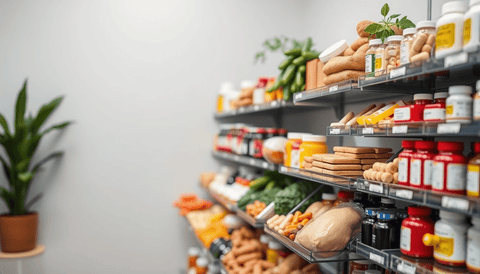
The European Union's health supplements market is a dynamic and complex landscape. It is shaped by a unique combination of harmonized regulations, diverse national preferences, and a consumer base that is increasingly informed and discerning. This page serves as a topical hub for the key EU supplement trends affecting the industry today, from regulatory shifts in Brussels to changing consumer expectations at the shelf. Whether you are a manufacturer, retailer, or simply a health-conscious consumer looking to understand the market, this guide provides a broad overview of the forces that matter.
What Defines the EU Supplement Trends Market?
EU supplement trends are defined by a dual focus: ensuring consumer safety while maintaining a single, functioning internal market. This is primarily achieved through a robust regulatory framework that harmonizes rules across member states. This framework covers key areas such as the safety of ingredients, the way products are manufactured, and the claims that can be made about their benefits. This centralized approach creates a unique environment where compliance is not optional but a core operational requirement for any brand wishing to sell across Europe.
The European Commission and the European Food Safety Authority (EFSA) play central roles in this ecosystem. EFSA provides independent scientific advice that underpins much of the legislation, particularly in evaluating the evidence for health claims. This science-based approach ensures that any communication to the consumer is substantiated, which in turn builds market trust. Understanding this framework is the first step in navigating the EU market, as it directly influences everything from product development and labeling to marketing and distribution.
The Core Regulatory Pillars of the EU Market
Navigating EU supplement trends requires a clear understanding of the key regulatory pillars that govern the industry. These regulations are not static; they are continually evolving to reflect new scientific findings and market realities. Staying informed on these changes is crucial for maintaining compliance and achieving long-term success in Europe.
Three regulatory areas are particularly influential:
- Nutrition and Health Claims Regulation (NHCR): Governs the use of health and nutritional claims in product labeling, advertising, and marketing. Only claims that have been scientifically substantiated and pre-approved are permitted, ensuring that what a product says is backed by evidence.
- Novel Foods Regulation: Sets the rules for the authorization of new and innovative food ingredients, including those used in supplements. This process ensures that new ingredients are safe before they are introduced to the European market, shaping the pace of innovation and market entry.
- Food Safety and Labeling Directives: Implement the general principles of food law, including hygiene, traceability, and accurate labeling. Recent updates focus on clearer labeling, sustainability information, and evolving packaging standards, directly impacting product presentation and consumer information.
These regulations create a framework that prioritizes consumer safety and fair market practices. For businesses, this means that a robust regulatory strategy is as important as a strong product portfolio.
Drivers of Consumer Demand Across Europe
Beyond regulation, consumer behavior is perhaps the most dynamic force in the EU market. Today’s European consumer is more educated, connected, and proactive about their health than ever before. This has led to several key trends that are shaping the demand for dietary supplements.
Transparency is no longer a differentiator; it is an expectation. Consumers are actively seeking out brands that provide clarity on ingredient sourcing, manufacturing processes, and supply chain ethics. This demand drives investments in digital storytelling, verification systems, and stricter supplier audits to build and maintain consumer trust.
The pan-European consumer is also more willing to shop across borders. They are accustomed to comparing products online and purchasing from brands in other member states. This, in turn, is fueled by the growth of cross-border e-commerce and a greater awareness of different supplement traditions. While harmonization efforts aim to simplify this process, companies still need to navigate specific national preferences and cultural nuances to fully capture this demand.
The Evolution of the Retail and E-commerce Landscape
How consumers purchase supplements in the EU is undergoing a major transformation. The traditional pharmacy and health food store remain important, but the digital shelf has become a dominant battleground. Retailers are responding to changing shopping habits by developing sophisticated omni-channel strategies, integrating their physical and online presence to offer greater convenience and product availability.
Private-label programs are also becoming more sophisticated, offering consumers a wider range of options at competitive price points. This increasing competition encourages both brands and retailers to invest in clear product information, high-quality presentation, and reliable online distribution to stand out in a crowded marketplace. Companies are also working to strengthen partnerships across the supply chain, from ingredient suppliers to logistics providers, to ensure they can meet these evolving consumer expectations efficiently.
For a deeper look at specific types of supplements that are part of this evolving market, you can explore our range of natural supplements that are part of this evolving market.
The Future Outlook for the EU Supplement Market
Looking ahead, the European market will continue to reward businesses that combine rigorous regulatory compliance with agility and credible data. The ability to adapt to changes in the legal landscape, while staying ahead of consumer preferences for transparency and convenience, will be a key differentiator.
Companies are likely to focus on strengthening product disclosure, enhancing supplier verification processes, and implementing robust risk-management practices to secure sustainable market access across multiple jurisdictions. Building strong, transparent partnerships with regulators, manufacturers, and distributors will be essential for navigating the inherent complexities of the EU market and ensuring a consistent, reliable customer experience. The successful players will be those who view these trends not as hurdles, but as opportunities to build a stronger, more trusted business.