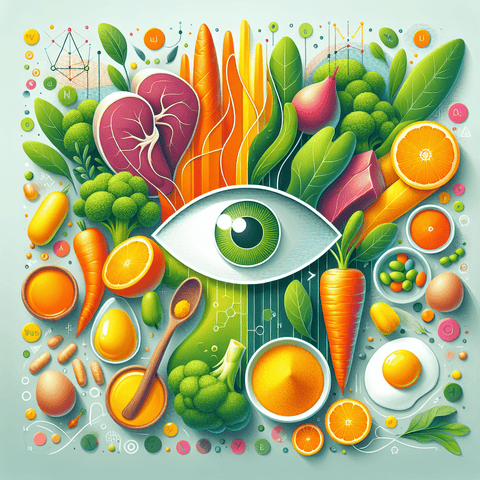
Gezondheid van het Oog Voeding: 7 Essentiële Voedingsstoffen voor Helder Zicht


Gezonde voeding voor de ogen is een gebied dat verschillende vitamines, mineralen en andere voedingsstoffen verbindt aan hoe onze ogen functioneren. Deze pagina benadrukt de zeven essentiële voedingsstoffen die geassocieerd worden met helder zicht en legt, op een toegankelijke manier, uit hoe vitamines en mineralen betrokken zijn bij de oogbiologie binnen het bredere thema van voeding voor de ooggezondheid. Het doel is om een kader te bieden voor het begrijpen van de rol van voedingsstoffen, zonder het onderwerp te veranderen in gezondheidsclaims, maar wel praktische context te geven voor alledaags leren over het oog. Deze zeven essentiële voedingsstoffen zijn vitamine A, vitamine C, vitamine E, zink, luteïne, zeaxanthine en Omega-3-vetzuren. In voeding voor de ooggezondheid heeft elk van hen een eigen plek in de oogweefsels. Vitamine A wordt geassocieerd met de visuele cyclus in fotoreceptoren. Vitamine C en vitamine E zijn antioxidanten die een rol spelen in oogweefsel. Zink is betrokken bij enzymen en processen in het netvlies. Luteïne en zeaxanthine zijn carotenoïde pigmenten die geconcentreerd zijn in de macula en een rol spelen bij het lichtbeheer binnen het oog. Omega-3-vetzuren, waaronder DHA en EPA, maken deel uit van de membraansystemen in het netvlies en ondersteunende cellen. Binnen het kader van voeding voor de ooggezondheid kunnen de manieren waarop deze voedingsstoffen zich tot het oog verhouden, beschreven worden als elementen die bijdragen aan het behouden van de weefselintegriteit, het ondersteunen van antioxidante afweer en het structuur geven aan oogweefsels. Dit denkkader helpt lezers te zien hoe verschillende voedingsstoffen samen een coherent beeld vormen van de oogbiologie. Dagelijkse tips in deze context zouden kunnen benadrukken dat het belangrijk is een eenvoudige routine op te bouwen voor het verkennen van betrouwbare informatie, aantekeningen te maken over vragen die opkomen, en een rustige leesomgeving te creëren om actief met de inhoud over voeding voor de ooggezondheid om te gaan. Om verder te verkennen, kun je voeding voor de ooggezondheid zien als een woordenschat om te begrijpen hoe vitamines en mineralen gerelateerd zijn aan de functie van het oog. De zeven essentiële voedingsstoffen vormen een startpunt om te leren hoe het visuele systeem op cellulaire niveau werkt. Je kunt terugkijken naar deze pagina als een beknopte gids voor voeding voor de ooggezondheid en de rol van elke voedingsstof in het kader van zicht.


What to eat for vitamin A deficiency? - Topvitamine
Oct 17, 2025
Wat eten bij vitamine A-tekort? Kies gevarieerde vitamine A-rijke voeding, zoals eieren, zuivel, vis en kleurrijke groenten. Retinol uit dierlijke producten is direct beschikbaar; beta-caroteen uit planten wordt in het lichaam omgezet in vitamine A. Lees welke voedingsmiddelen helpen, hoe je de opname ondersteunt en wanneer onderzoek of advies van een zorgprofessional verstandig is.

Eye health nutrition is a broad topic that explores how the foods we eat and the nutrients they contain relate to the health and function of our eyes. This guide provides a clear overview of the key vitamins, minerals, and dietary components most often discussed in connection with vision. Rather than focusing on a single nutrient or a specific condition, this page offers a framework for understanding how different elements of your diet work together to support the overall structure and function of your eyes, preparing you to explore more specific topics in greater depth.

What Is Eye Health Nutrition?

Eye health nutrition is the study of how vitamins, minerals, and other nutrients relate to the way our eyes function. It's a field that ties together basic biology with the practical question of how dietary choices may influence long-term ocular well-being. The goal is to understand how certain compounds participate in the maintenance of eye tissues, support the body's natural antioxidant defenses, and contribute to the overall structural integrity of the visual system.

This field is not about promising improved vision through diet alone, but rather about building a comprehensive understanding of what nutrients are involved in eye biology and how they can be incorporated into a balanced lifestyle. It provides the essential vocabulary for exploring more specific questions about foods, supplements, and healthy habits for the eyes.

Core Nutrients in Eye Health Nutrition

Several nutrients are consistently identified as important for eye health due to their specific roles in ocular tissues. Understanding each one's contribution helps clarify the broad picture of how nutrition relates to vision. While this list is not exhaustive, it forms the foundation of most discussions on the topic.

The Major Vitamins

Vitamins play a variety of critical roles in the eye. Vitamin A is perhaps the most well-known, as it is directly linked to the visual cycle in the photoreceptor cells of the retina, which is essential for night vision. Vitamins C and E function as antioxidants within ocular tissues, helping to protect cells from oxidative stress. These vitamins are commonly found in a wide range of fruits, vegetables, and nuts.

Minerals and Carotenoids

The mineral zinc is involved in numerous enzymatic processes within the eye, particularly in the retina. Alongside vitamins, carotenoids like lutein and zeaxanthin are pigments that are highly concentrated in the macula, the central part of the retina responsible for sharp, detailed vision. They are thought to play a role in filtering high-energy light. These nutrients are abundant in leafy green vegetables.

Essential Fatty Acids

Omega-3 fatty acids, particularly DHA and EPA, are structural components of cell membranes throughout the body, including the retina. They are considered important for maintaining the health of retinal cells and supporting the function of the eye's supporting structures. Good sources include fatty fish and certain plant-based oils.

Food Sources for Eye-Healthy Nutrients

A balanced diet is the best way to obtain these essential nutrients. Rather than focusing on a single food, a varied and colorful plate is often the most effective approach. Here is a quick guide to common food sources for the nutrients most associated with eye health:

  • Vitamin A: Liver, sweet potatoes, carrots, and leafy green vegetables.
  • Vitamin C: Citrus fruits, bell peppers, broccoli, and strawberries.
  • Vitamin E: Almonds, sunflower seeds, and vegetable oils.
  • Zinc: Oysters, beef, poultry, and pumpkin seeds.
  • Lutein & Zeaxanthin: Kale, spinach, corn, and egg yolks.
  • Omega-3 Fatty Acids: Salmon, mackerel, flaxseeds, and chia seeds.

By incorporating a variety of these foods into your routine, you can naturally support your intake of the nutrients that are important for your eyes.

Exploring Nutritional Supplements for Eye Support

While a balanced diet is the primary foundation for obtaining these nutrients, dietary supplements can be a way to help fill nutritional gaps. Many people consider a supplement to support their eye health, particularly for nutrients like omega-3s, lutein, or a general multivitamin. For those interested in supplementing, it's crucial to understand what you're taking and why.

You can explore a range of options in our omega-3 supplement collection or review a broader guide to multivitamins to see how these nutrients fit into a complete daily regimen. Always consider supplements as a complement to a healthy diet, not a replacement for it.

Why a Balanced Diet Matters for Your Eyes

The overall pattern of your diet is just as important as any single nutrient. A diet that includes a wide variety of fruits, vegetables, whole grains, and healthy fats provides a broad spectrum of vitamins, minerals, and antioxidants. This holistic approach is generally considered more beneficial than trying to isolate one specific component, as many nutrients work together in complex ways within the body.

For those looking to optimize their nutritional intake, understanding the role of antioxidants is a common area of interest. You can find more about these protective compounds in our antioxidants collection. A diet rich in antioxidants contributes to the body's defense against oxidative stress, which is a key theme in the field of eye health nutrition.

Daily Lifestyle Tips for Healthy Eyes

Nutrition is just one piece of the puzzle when it comes to overall eye health. A comprehensive approach also includes other lifestyle factors that can have a significant impact. Here are some general practices to consider:

  • Regular Eye Exams: Visiting an eye care professional for routine check-ups is crucial for detecting potential issues early.
  • The 20-20-20 Rule: To reduce eye strain, every 20 minutes, look at something 20 feet away for at least 20 seconds.
  • Sun Protection: Wearing sunglasses that block UV rays helps protect your eyes from sun damage.
  • Avoid Smoking: Smoking has been linked to a number of negative health effects, including those related to eye health.

Common Questions About Eye Health Nutrition

People often have specific questions about how to apply the principles of eye health nutrition. Here are brief answers to a few common queries that provide a practical starting point for deeper exploration.

What is the healthiest food for the eyes?

Rather than a single superfood, a variety of foods is best. Leafy green vegetables like spinach and kale are excellent sources of lutein and zeaxanthin, while fatty fish provides essential omega-3s. A diet rich in colorful fruits and vegetables will naturally provide a broad range of beneficial nutrients for your eyes.

What is the best supplement for improving eyesight?

It's important to note that no supplement can guarantee improved eyesight. However, supplements containing a combination of nutrients like lutein, zeaxanthin, vitamins C and E, and zinc are often studied for their role in supporting eye health. It's always best to speak with a healthcare professional before starting any new supplement to discuss your individual needs.

Which nutrient is best for eyesight?

There isn't a single 'best' nutrient; rather, they work in concert. Vitamin A is fundamental for the basic function of the retina, while lutein and zeaxanthin are specific to the macula. Omega-3s support cell structure. A consistent intake of all these nutrients is considered most supportive for long-term eye health.

What to drink to improve eyesight?

Staying well-hydrated is important for your overall health, including the production of tears. There are no drinks that can directly improve eyesight, but consuming healthy beverages like water, green tea, or fresh vegetable juices as part of a balanced diet can contribute to your overall intake of beneficial nutrients.

Building a Foundation for Deeper Exploration

This page is designed as a topical hub to introduce the key concepts of eye health nutrition. It provides the essential vocabulary and framework needed to explore more specific questions and subtopics. Whether you want to learn about the specific mechanism of a single vitamin, compare different types of supplements, or understand what the latest research suggests, the information here provides the foundation for that deeper dive.

We encourage you to use this guide as a reference and continue to educate yourself on how nutrition plays a role in the overall health of your eyes. Always consult with a healthcare provider for advice on your personal health and any concerns you may have about your vision.