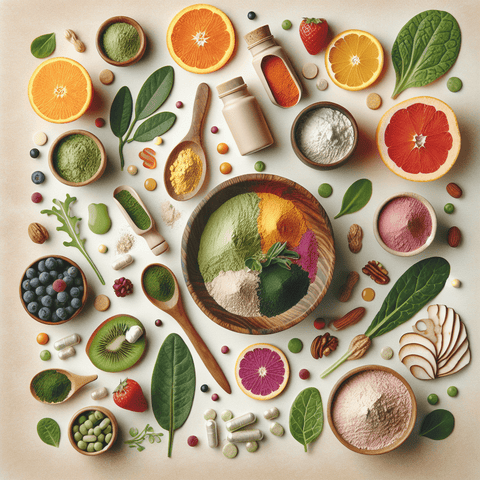
Het ontdekken van voedingssupplementen die geschikt zijn voor consumptie betekent verder kijken dan alleen marketing en je richten op hoe producten worden geproduceerd en geëtiketteerd. Voedselkwaliteitsnormen gelden voor ingrediënten, verpakkingen en productiepraktijken en begeleiden je naar producten die voldoen aan erkende kwaliteitscriteria. Wanneer je opties op deze manier beoordeelt, kom je producten tegen die nadruk leggen op traceerbaarheid, ingrediëntenlijsten en naleving van regelgeving in plaats van onbewezen claims. Het starten met voedselgeschikte supplementen legt een basis voor zorgvuldige vergelijking en geïnformeerde keuzes. Derde-partij tests bieden een onafhankelijke controle op wat er in voedselgeschikte supplementen zit. Zoek naar analysesattesten en labels van gerenommeerde laboratoria, zoals USP, NSF, of ISO 17025-geaccrediteerde faciliteiten. Verifieer het batchnummer en de productiedatum om het bijbehorende testrapport te kunnen inzien. Deze externe beoordelingen helpen je transparantie te bevestigen en te waarborgen dat het product voldoet aan de vastgestelde kwaliteitsnormen. Schone labels zijn een belangrijk signaal voor voedselgeschikte supplementen. Voor deze producten is een duidelijk, volledige ingrediëntenlijst, correcte portiegroottes en verklaringen over herkomst en verwerkingsmiddelen belangrijk. Controleer allergenenverklaringen, toevoegingen en of ingrediënten volledig worden vermeld of alleen in proprietary blends. Een schoon label maakt het eenvoudiger om opties te vergelijken en vermindert onduidelijkheid over wat je koopt. Slimme tips voor het maken van een keuze zijn onder andere het maken van een korte checklist, producten naast elkaar vergelijken en het bijhouden van certificeringen en rapportlinken. Neem contact op met fabrikanten voor vragen over herkomst, testen en etiketteringspraktijken, en zoek naar gemakkelijk toegankelijke analysesattesten voor de partijen die je beoordeelt. Door je te richten op voedselgeschikte supplementen en deze verificatiestappen toe te passen, kun je aankopen benaderen met meer duidelijkheid en vertrouwen.
Voedingssupplementen van voedselkwaliteit: Veilige, hoogwaardige keuzes
Navigating the supplement aisle involves more than comparing prices and reading benefit claims. The term “food-grade” offers a valuable starting point, as it points to products manufactured and labeled according to recognized quality standards. This guide explores what makes a supplement food-grade, why independent testing is important, and how to read labels with greater confidence. It is designed to help you understand the landscape of supplement quality, setting the stage for more specific questions you might have as you research individual products.
What Does Food-Grade Mean for Supplements?
In the context of supplements, “food-grade” generally refers to the standards applied to ingredients, manufacturing processes, and packaging that are suitable for human consumption. This designation is about the quality of the production process rather than the specific health effects of the final product. It provides a baseline level of assurance regarding purity and safety in how a product is made and handled.
Focusing on food-grade criteria helps shift the conversation from marketing language to verifiable facts. It encourages you to look at how a product is made and labeled, including the traceability of its ingredients and its compliance with good manufacturing practices. This perspective is a fundamental step in making more informed comparisons between different supplement options.
The Importance of Third-Party Testing
Third-party testing adds an independent layer of quality control. When a manufacturer uses an external laboratory, it provides an objective check on what is actually inside the supplement, confirming that the ingredients and amounts match the product label. This process offers a stronger verification of quality than relying on a brand's own claims.
When evaluating a product, look for a certificate of analysis (COA) from the specific batch you are considering. This document details the results of testing conducted by the lab. You can often find this report by searching for the batch number on the manufacturer’s website or by contacting them directly. Reputable third-party labs, such as those with USP, NSF, or ISO 17025-accreditation, operate according to strict standards themselves.
By confirming that a supplement has been tested by an independent lab, you are taking a practical step toward understanding the transparency and quality control behind the product.
How to Read a Food-Grade Supplement Label
A clean, transparent label is a key marker of a food-grade product. Learning how to read the label thoroughly allows for smarter, more confident decisions. Focus on the details that tell you about the product's makeup and sourcing.
Pay close attention to the following elements on a supplement label:
- Complete Ingredient List: A full disclosure of all ingredients, rather than just a few highlighted ones.
- Accurate Serving Sizes: Clear information on the amount per serving and the number of servings per container.
- Sourcing Disclosures: Information about where ingredients come from and any processing aids used.
- Allergen Statements: Clear identification of common allergens or potential cross-contamination risks.
- Full Ingredient Disclosure: Be wary of “proprietary blends” that may hide exact amounts of individual components.
A label that provides clear and complete information reduces ambiguity and makes it easier to compare products on an equal basis. It reflects a manufacturer's commitment to transparency.
Practical Steps for Choosing Food-Grade Supplements
Applying a consistent approach to evaluating supplements helps simplify the process. By creating a clear checklist, you can quickly compare products and identify those that meet your standards for quality and transparency.
Here is a practical framework to guide your evaluation:
- Build a Checklist: Decide what factors matter most to you. This might include third-party testing, specific certifications, or ingredient sourcing.
- Compare Products Side-by-Side: Use your checklist to evaluate multiple products equally, looking at labels and available test reports.
- Find Certificates of Analysis: Look for the COA linked to the specific batch you are considering. A readily available report is a positive sign of transparency.
- Contact the Manufacturer: Reach out with specific questions about sourcing, testing, and labeling practices. How a company responds can be very informative.
By focusing on these verification steps, you can approach purchases with greater clarity and confidence, building a supplement routine grounded in quality.
General Considerations and Your Health
While food-grade standards are a strong indicator of quality, they are just one part of the picture. It is also important to remember that quality is not the same as efficacy or the suitability of a product for your individual needs.
Before adding any supplement to your routine, it is always wise to speak with a healthcare professional. They can help you understand potential interactions with medications and assess whether a supplement is appropriate for your specific health situation. General educational information should never replace personalized medical advice.
Exploring Related Supplement Topics
Understanding quality standards like food-grade is a foundational step. From here, you can explore more specific topics related to your health interests. To continue your journey, you might explore guides on different types of supplements, such as our comprehensive guide to multivitamins or learn about the quality considerations for supplements from healthy origins. These resources can provide more specific information on ingredient sourcing and product categories.