Voedingsmiddelen met versterkte ingrediënten: gemakkelijke manieren om je vitamines en mineralen een boost te geven


Voedingsmiddelen met toevoegingen zijn producten waaraan tijdens de verwerking extra voedingsstoffen zijn toegevoegd, waarmee de inhoud van het product opzettelijk wordt uitgebreid. Deze pagina richt zich op eenvoudige, praktische manieren om verrijkte voedingsmiddelen in je dagelijkse maaltijdplanning op te nemen, met tips, maaltijdideeën en slimme keuzes die passen binnen een uitgebalanceerde benadering van voeding. Praktische tips beginnen bij het etiket. Kijk naar de toegevoegde voedingsstoffen en noteer de hoeveelheden, en vergelijk opties op basis van het percentage dat wordt weergegeven op het voedingswaardelabel. Let op de portiegroottes en hoe een verrijkt product in je dag past naast andere voedingsmiddelen die je eet. Denk na over je voorkeuren, voedingsbehoeften en budget bij het kiezen van verrijkte voedingsmiddelen. Drie eenvoudige maaltijdsjablonen kunnen je begeleiden: ideeën voor ontbijt, lunch en diner waarin een verrijkt ingrediënt deel uitmaakt van het plan. Elk sjabloon richt zich op een verrijkt item en combineert het met een eenvoudige basis en een bijgerecht om de maaltijd compleet te maken. Door sjablonen flexibel te houden, kun je ze aanpassen aan verschillende dagen en beschikbare ingrediënten. Slimme keuzes helpen je het beste uit verrijkte voedingsmiddelen te halen. Beoordeel opties binnen verschillende categorieën, controleer op toegevoegde suikers of vulmiddelen, en vergelijk producten om een goede aansluiting te vinden bij je routine. Het afwisselen van verschillende verrijkte producten kan helpen om variatie te behouden terwijl je uitgebalanceerde maaltijden plant.


What foods contain vitamin D? - Topvitamine
Jan 28, 2026
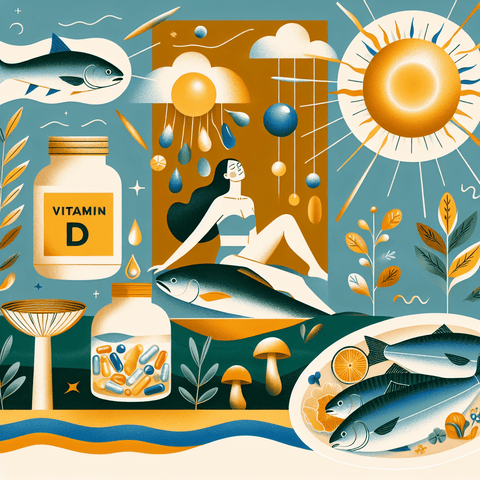
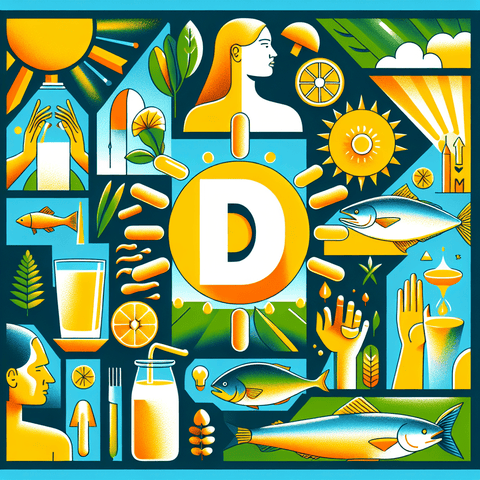
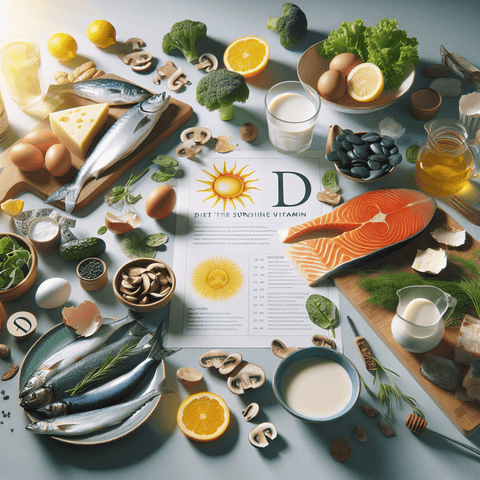
Voedingsmiddelen met vitamine D zijn vooral vette vis, eieren en sommige verrijkte producten. UV-blootgestelde paddenstoelen leveren een plantaardige vorm, terwijl verrijkte plantaardige dranken en een vegan vitamine D-supplement praktische opties kunnen zijn. In dit artikel lees je hoe voeding, zonlicht en suppletie samenhangen, welke rol vitamine D heeft en wanneer je bij klachten, medicijngebruik of een verhoogd risico advies aan een zorgprofessional vraagt.
In which foods is vitamin B12 found? - Topvitamine
Nov 16, 2025
Voedingsmiddelen met vitamine B12 zijn vooral lever, vis, schaaldieren, vlees, zuivel en eieren. Wie vegetarisch of veganistisch eet, kan B12 halen uit verrijkte producten en een passend supplement. In dit artikel leest u waar de meeste B12 in zit, hoeveel volwassenen gemiddeld nodig hebben, welke klachten bij een tekort kunnen passen en wanneer overleg met een zorgverlener verstandig is.
Where is a lot of vitamin B12 found? - Topvitamine
Oct 29, 2025
Waar zit veel vitamine B12 in? De rijkste natuurlijke bron is lever, maar ook vis, vlees, eieren en zuivel leveren B12. Wie vegan eet, is meestal aangewezen op verrijkte voedingsmiddelen of een supplement. In dit overzicht lees je welke bronnen betrouwbaar zijn, waarin supplementvormen verschillen en wanneer je bij klachten of een vermoed tekort een zorgverlener kunt raadplegen.
Where is vitamin D most commonly found? - Topvitamine
Oct 24, 2025
Vitamine D komt vooral uit zonlicht, vette vis, eieren, sommige paddenstoelen en verrijkte voedingsmiddelen. Omdat de aanmaak via zonlicht per seizoen, huidtype en leefstijl verschilt, lukt het niet iedereen om voldoende vitamine D binnen te krijgen. In dit artikel lees je welke bronnen relevant zijn, wat het verschil is tussen D2 en D3 en waar je op let bij supplementen.
Where is vitamin D found? - Topvitamine
Oct 17, 2025
Vitamine D wordt vooral aangemaakt in de huid onder invloed van UVB-zonlicht. Daarnaast leveren vette vis, eieren, sommige paddenstoelen en verrijkte voedingsmiddelen vitamine D. Omdat de aanmaak en inname per persoon verschillen, kan een vitamine D-supplement voor sommige mensen een praktische aanvulling zijn. Lees hoe u bronnen herkent, welke vormverschillen bestaan en wanneer overleg met een zorgprofessional verstandig is.
What are 10 foods rich in vitamin D? - Topvitamine
Oct 13, 2025
Voedingsmiddelen rijk aan vitamine D zijn vooral vette vis, eieren, UV-blootgestelde paddenstoelen en producten waaraan vitamine D is toegevoegd. In dit overzicht lees je welke bronnen praktisch zijn, wat verrijking betekent en waarin vitamine D2 en D3 verschillen. Ook bespreken we de rol van supplementen, aandachtspunten bij levertraan en wanneer overleg met een arts of diëtist verstandig is.

Fortified foods are a common part of many diets, but they are often misunderstood. This guide explains what fortification is, why it matters, and how to make informed choices. Whether you are looking to address a specific nutrient gap or simply want to understand the options at the grocery store, this page provides a practical overview. We will cover the basics of fortified foods, what to look for on labels, and how to incorporate them into a balanced approach to eating.

What Are Fortified Foods?

At its core, a fortified food is any product that has nutrients added to it that were not originally present, or that are present in small amounts. This is a deliberate process done during manufacturing to improve the nutritional quality of the food. The practice is different from enrichment, which typically refers to adding back nutrients that were lost during processing. Fortification, on the other hand, adds nutrients that may not have been in the food at all. The purpose is to help consumers meet their daily nutritional needs more easily, particularly for nutrients that are commonly lacking in modern diets.

For example, many breakfast cereals are fortified with a range of B vitamins, including folic acid, as well as iron and zinc. Milk is often fortified with vitamin D, which is essential for calcium absorption. Plant-based milks, such as soy or almond milk, are frequently fortified with calcium, vitamin D, and vitamin B12 to make them more nutritionally comparable to dairy milk. This process plays a significant role in public health by helping to reduce nutrient deficiencies across the population.

Why Fortification Matters for Your Diet

Fortification can help bridge gaps between the nutrients you get from food and the nutrients your body needs. However, it is crucial to see fortified foods as a helpful complement to, not a replacement for, a diet rich in whole foods. Fruits, vegetables, whole grains, lean proteins, and healthy fats provide a complex mix of nutrients and other beneficial compounds that cannot be replicated by fortification alone. The value of a fortified food depends on the whole product, not just the added nutrients.

When considering your intake, think about recommended dietary allowances and your unique lifestyle. Factors like age, sex, health status, and dietary patterns can influence your nutritional needs. For some, fortified foods are a practical way to ensure adequate intake of specific nutrients like vitamin D or iron. For others, a focus on consuming a variety of whole foods may be more appropriate. A balanced approach that includes both is often the most effective strategy for many people.

Common Fortified Foods and Nutrients

Fortified foods are everywhere, but it can be helpful to know which products are typically fortified and with what. This can help you quickly identify potential options on your next shopping trip.

  • Breakfast Cereals: Often fortified with iron, folic acid, B vitamins (including B12), and sometimes vitamin D and zinc.
  • Milk and Dairy Alternatives: Cow's milk is commonly fortified with vitamin D. Plant-based milks often include calcium, vitamin D, and vitamin B12.
  • Grains and Breads: Many refined grain products like white flour and bread are enriched with B vitamins (thiamin, riboflavin, niacin, folic acid) and iron.
  • Salt: Table salt is typically fortified with iodine, a mineral important for thyroid function.
  • Juices and Beverages: Some fruit juices and drink powders may be fortified with calcium, vitamin C, and vitamin D.
  • Nutritional Yeast and Plant-Based Proteins: These are often fortified with vitamin B12, an essential nutrient found naturally in animal products.

This list is not exhaustive, but it gives an idea of the variety of products available. Always check the nutrition label and ingredient list to confirm which nutrients have been added.

How to Read Labels and Make Smart Picks

Reading a nutrition label is the most important skill for navigating the world of fortified foods. The goal is to understand what you are actually getting in each serving and how it fits into your overall diet.

Key Things to Look For

  • Serving Size: All nutrient information is based on a specific serving size. Be sure to compare this to the amount you actually eat.
  • % Daily Value (%DV): This tells you how much a nutrient in a serving contributes to a daily diet. A %DV of 20% or more is considered high for that nutrient, while 5% or less is low.
  • Ingredient List: Fortified vitamins and minerals will appear in the ingredient list, often with chemical names. This can help you see exactly what has been added.
  • Other Nutrients: Pay attention to the whole profile. A fortified cereal might be high in iron but also high in added sugar. Consider the trade-offs.

Practical Tips for Selection

When choosing fortified foods, compare similar products to see which offers the best nutritional value for your needs. Check for excessive amounts of added sugars, sodium, or unhealthy fats. Think about your dietary preferences and budget, as fortified options can vary in price. It is also wise to rotate your choices to ensure you are getting a wide range of nutrients from different sources rather than a high dose of the same vitamins every day. For a broader overview of supplemental nutrients, you may find the daily intake guidelines useful.

A practical approach to using fortified foods is to integrate them into meals you already enjoy. For breakfast, you might choose a fortified cereal or oatmeal. At lunch, a fortified plant-based milk in a smoothie can be a good option. For dinner, using fortified grains or flours can add to your nutrient intake without much effort. The key is to view these foods as a helpful tool in your overall nutritional strategy.

Fortified Foods vs. Supplements

Fortified foods and dietary supplements both deliver nutrients but in different forms. Fortified foods are a way to get extra vitamins and minerals through your regular diet. They often come with the added benefits of other food components like fiber or protein. Supplements, on the other hand, offer a concentrated dose of a specific nutrient or a combination of nutrients. They are designed to fill a specific gap, which may be harder to achieve through food alone.

The choice between them depends on your individual circumstances. For example, someone with a very restricted diet might use a supplement to ensure adequate intake of a nutrient like vitamin B12 or vitamin D. In contrast, a person looking to boost their overall nutrient intake might prefer to start with fortified foods. For those interested in a more targeted approach, exploring high-quality multivitamins can be an option. However, it's essential to consider that supplements are not a substitute for a healthy diet and can be unnecessary or even harmful in high doses. Always consider your dietary intake first and consult with a healthcare professional before starting any new supplement regimen.

Important Considerations and a Balanced Approach

While fortified foods are generally considered safe for the public, it is possible to get too much of certain nutrients. This is known as overconsumption. It is especially important to be aware of nutrients like vitamin A, vitamin D, iron, and folic acid, which can build up in the body. Relying heavily on fortified foods and supplements simultaneously can increase the risk of exceeding the upper limits. Always read labels and be mindful of the total amounts of nutrients you are consuming from all sources, including food and supplements.

This information is for educational purposes and is not a substitute for personalized medical or dietary advice. If you have specific health concerns or questions about your nutrient needs, speaking with a doctor or a registered dietitian is the best course of action. They can provide guidance based on your individual health history and goals. The best approach to nutrition is to focus on a diverse diet of whole foods, using fortified foods as a strategic addition, and supplements when a specific need has been identified.