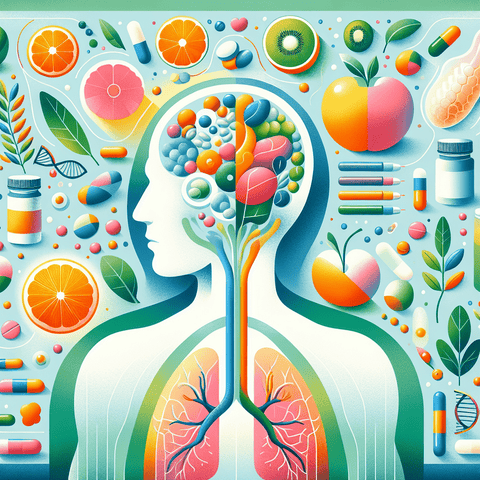
Gezondheidsondersteuning waarop je kunt vertrouwen begint met geloofwaardige begeleiding, praktische hulpmiddelen en betrouwbare bronnen. Onze pagina brengt deskundige perspectieven, duidelijke uitleg en op bewijs gebaseerde tips samen, ontworpen om je te helpen dagelijkse keuzes met helderheid te navigeren. Hier vind je een raamwerk voor gezondheidsondersteuning dat prioriteit geeft aan nauwkeurigheid, toegankelijkheid en transparantie, zodat je begeleiding kunt verkennen zonder ambiguïteit. Of je nu op zoek bent naar een snelle referentie of een diepere duik, deze ruimte is gebouwd om geïnformeerde besluitvorming in het dagelijks leven te ondersteunen. Deskundige begeleiding waarop je kunt vertrouwen staat centraal in onze gezondheidsondersteuning. Inhoud wordt ontwikkeld en beoordeeld door clinici, onderzoekers en opleiders die open en op bewijs geïnformeerde processen volgen. We labelen bronnen, vatten methoden samen en beschrijven duidelijk wanneer aanbevelingen verschillen of wanneer meer informatie nodig is. Met deze aanpak wordt gezondheidsondersteuning een transparante bron waar je op kunt terugvallen voor betrouwbare context in plaats van giswerk. Praktische hulpmiddelen en bronnen zijn beschikbaar om begeleiding in actie om te zetten. Zoek naar handleidingen, controleslijsten, sjablonen, beslissingshulpen en zelfbeoordelingstools die bij je routine passen. Elke bron is ontworpen om toegankelijk en gemakkelijk te gebruiken te zijn, zodat je de informatie in je dagelijks leven kunt toepassen zonder overweldigende details. Dit maakt deel uit van het ecosysteem van gezondheidsondersteuning—hulpmiddelen waar je op kunt raadplegen, aanpassen en opnieuw bekijken naarmate je behoeften veranderen. Klaar om te beginnen? Verken nu om contact te maken met deskundige begeleiding, nuttige hulpmiddelen en vertrouwde bronnen—allemaal georganiseerd rond degelijke gezondheidsondersteuning waarop je kunt vertrouwen. Begin met een welkomsoverzicht, kies vervolgens een pad dat aansluit bij je interesses, en kom op elk moment terug om updates te bekijken. Jouw reis begint met heldere, geloofwaardige, niet-dogmatische inhoud waarop je kunt vertrouwen.
Gezondheidszorg die u kunt vertrouwen: Deskundige begeleiding, praktische hulpmiddelen en bronnen
Health support means slightly different things to different people. For some, it describes the services provided by the healthcare system. For many others, it refers to something more personal: the everyday choices — what you eat, how well you sleep, how active you are — that help the body and mind function at their best. This page brings both perspectives together, with its main focus on the everyday dimension that connects most directly to nutrition and lifestyle.
On this health support hub you will find a broad overview of what supporting your health can involve, how the main pillars fit together and where supplements may play a supporting role. More specific topics — individual vitamins, minerals and herbal ingredients — are explored in depth by the guides and articles collected under this tag.
What Does Health Support Mean?
In its broadest sense, health support refers to anything that helps a person maintain, protect or improve their health. That includes professional healthcare, public health services, patient assistance programs and community initiatives — but it also covers the personal, daily decisions that shape long-term wellbeing. Because the term is so wide, it is useful to be clear about which part of it a page, service or product actually addresses.
This hub concentrates on personal, everyday health support: the nutrition, lifestyle habits and general wellness practices people can influence themselves. These areas do not replace medical care, but they are the part of health support most closely connected to diet, supplements and daily routines — and the part most often discussed in relation to vitamins and minerals.
The Main Pillars of Everyday Health Support
Supporting your health is rarely about one single factor. Most general wellness frameworks point to a combination of pillars that work together over time:
- A varied, balanced diet that provides a broad range of nutrients
- Regular physical activity suited to your age and ability
- Sufficient, good-quality sleep
- Practical ways of managing everyday stress
- Limiting smoking and keeping alcohol intake moderate
- Regular check-ups and preventive care with qualified professionals
No pillar works in isolation. A nutrient-rich diet supports an active lifestyle, good sleep makes stress easier to manage, and professional guidance helps you understand which areas deserve the most attention. The articles under this tag explore many of these pillars in more detail.
Nutrition and Daily Health Support
Nutrition is one of the most direct ways to influence everyday health support. A varied diet built around vegetables, fruit, whole grains, quality protein sources and healthy fats supplies the vitamins, minerals, fibre and other compounds the body works with every day.
Even with a varied diet, some nutrients are discussed frequently because intake can vary with the season, dietary pattern, age or lifestyle. Vitamin D during darker months, vitamin B12 for people following plant-based diets, and minerals such as magnesium, zinc and iron are recurring examples. Whether any of these is relevant for you depends on your individual situation, which is why the guides under this tag focus on explaining sources, functions and safe use rather than handing out blanket recommendations.
Health Support Supplements: Where They Fit
Supplements are, by definition, a complement to the diet rather than a replacement for it. For many people they are a practical way to top up specific nutrients when dietary intake is inconsistent. The most familiar example is the multivitamin: a broad combination of vitamins and minerals designed to sit alongside an otherwise varied diet. You can browse our multivitamin collection to see how these products are typically composed and labelled.
A few general principles apply to almost every supplement:
- Food first: supplements are intended to complement, not replace, a balanced diet
- Read the label, including the recommended daily amount and the full ingredient list
- More is not automatically better; some nutrients have established upper intake levels
- Ask a doctor or pharmacist about possible interactions with medication
- Choose brands that are transparent about ingredients, sourcing and quality
These points are general in nature. For personal advice on dosage, suitability or interactions, a doctor, pharmacist or registered dietitian is the right point of contact.
Supporting Immune Health
Immune health support is one of the most searched corners of this topic, especially when the seasons change. In everyday terms, the basics stay consistent: a varied diet, enough sleep, regular activity and stress management form the foundation. Within nutrition, vitamin C, vitamin D and zinc are among the nutrients most often associated with the normal functioning of the immune system.
If you would like to read further, our vitamin C supplements page explains more about this well-known nutrient, its dietary sources and how supplements are typically used.
When Health Support Means Professional Care
The phrase health support also appears in contexts that go beyond nutrition: healthcare staffing, patient support services and community health programs, for example. These services form an important part of the wider healthcare landscape, but they sit outside the scope of this hub. What does sit within everyone's scope is recognising when self-care is not enough.
If you are dealing with a health crisis, persistent symptoms or a suspected nutrient deficiency, contact a doctor or, in an emergency, your local emergency services. Supplements and lifestyle changes can be part of long-term wellbeing, but they are not a substitute for diagnosis or treatment. Everything on this page and in the articles under this tag is general in nature and is not a replacement for personalized medical advice.
Exploring the Health Support Hub
This tag page works as an overview layer above the more specific guides collected under it. Below, you will find articles that go deeper into individual nutrients, herbal ingredients and practical questions — from the role of single vitamins to how particular supplements are sourced, labelled and used.
If you would rather browse products than articles, our natural supplements range is a good starting point. Otherwise, begin with the pillar that feels most relevant to you, follow the guides that match your questions, and return to this page whenever you need the broader map of the topic.